Best First Aid Kit for a Remote Hunt
Stepping into the vast, wild beauty of New Hampshire's backcountry for a hunt is an experience unlike any other, but it comes with a serious understanding: help isn't just a quick phone call away. When you're miles deep in the White Mountains or the thick North Country timber, a twisted ankle, a deep cut, or even severe allergies can turn a memorable day into a life-threatening emergency in a heartbeat. This guide is all about helping you assemble the best first aid kit for a remote hunt, ensuring you're prepared for the realities of being far from immediate medical care.
Why a Standard Kit Just Won't Cut It in New Hampshire's Backcountry
We've all got those little red first aid pouches in our glove boxes or kitchen cupboards, right? They're great for a scraped knee in the backyard or a paper cut at the office. But honestly, those kits are usually designed for minor boo-boos that happen within arm's reach of a pharmacy or an urgent care clinic. When you're hours from the nearest paved road, much less a hospital, those standard kits are going to leave you feeling woefully unprepared. New Hampshire's rugged terrain and unpredictable weather demand a much more robust approach.
The Unique Challenges of Granite State Terrain
Think about it: you're not strolling on a paved path. You might be scrambling over granite ledges, navigating root-choked trails, or slogging through boggy wetlands. Every step in New Hampshire's wilderness carries a risk. A slip on a mossy rock while Hunting New Hampshire's White Mountain National Forest could mean a nasty fall. A misstep crossing a swollen stream during the firearms season could result in a sprained ankle, leaving you stranded. The dense softwood thickets can hide sharp branches that can inflict deep lacerations, and even something as simple as a broken trekking pole can become a major issue if it leaves you unbalanced in steep country.
The sheer remoteness is the biggest challenge. There are vast tracts of public land where cell service is non-existent. You could be following a logging road for miles, then dive into the timber, and suddenly you're in a world of your own. If something goes wrong, you can't just flag down a passing car. You're responsible for your own immediate well-being, and often, the well-being of your hunting partners. This isolation means your first aid kit needs to be comprehensive enough to stabilize a serious injury and keep it from worsening during a potentially long self-extraction or wait for help.
Beyond Band-Aids: What Real Emergencies Look Like
While a small cut is certainly possible, the types of injuries that can truly derail a remote hunt are far more severe. We're talking about things that can genuinely impede your ability to walk out on your own.
Imagine this scenario: you're still-hunting a timbered slope, focusing on reading the subtle signs of deer movement, when your foot catches on a hidden root. You go down hard, twisting your knee or ankle. It's not just a little ache; it's a searing pain, and you can tell immediately that walking is going to be difficult, if not impossible. That standard kit with a few small bandages isn't going to help you immobilize that joint. Or consider a more gruesome possibility: while field dressing a deer or even just clearing a branch with your knife, you have a serious slip, resulting in a deep, bleeding laceration. This isn't a "put a band-aid on it" situation. This requires serious pressure, antiseptic, and perhaps even some way to close a gaping wound.
Then there are environmental factors. A sudden cold snap and unexpected rain can lead to hypothermia, even in early fall if you're not Layering for New Hampshire's Cold Hunting Season properly. Allergic reactions to insect stings (especially if you're not usually prone to them, but a new species gets you) can escalate quickly in the wild. A kit for remote hunting needs to tackle these bigger, more threatening issues head-on, giving you the tools to manage them effectively until you can reach professional medical attention.
Essential Components of a Remote Hunting First Aid Kit
Building a first aid kit for remote New Hampshire hunting isn't about throwing a bunch of random supplies into a bag. It's a thoughtful, strategic process. You need to consider the most common and the most serious potential injuries, and then select items that can effectively address them in the field. Think "what if I'm hours away from help and this happens?"
Trauma and Wound Care Essentials
This is arguably the most critical section of your kit, because bleeding and open wounds need immediate and effective intervention to prevent infection and excessive blood loss.
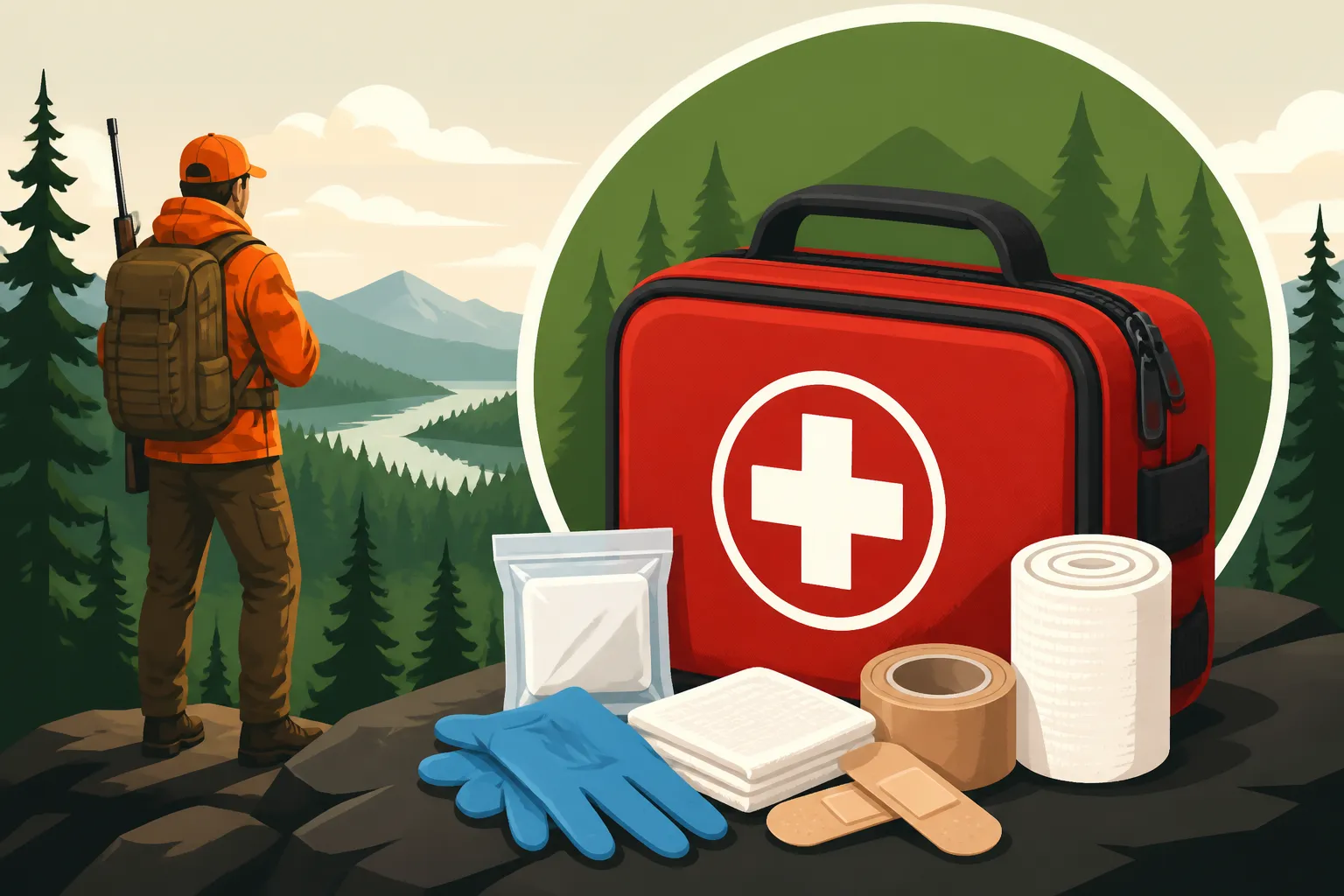
First and foremost, you need serious bandages. Forget the little plastic strips. Pack several large, sterile wound dressings, trauma pads, and at least one or two rolls of self-adhering elastic bandage (like an ACE wrap). These can be used to apply direct pressure to a bleeding wound, secure a splint, or support a sprained joint. Consider adding a hemostatic dressing or a small pouch of clotting agent. These specialized dressings are designed to stop severe bleeding quickly and can be a lifesaver for deep lacerations or puncture wounds that might happen with a broadhead or a hunting knife. You also need antiseptic wipes or a small bottle of antiseptic solution (like Betadine) to clean wounds thoroughly before dressing them. Dirt and debris are everywhere in the woods, and infection is a major concern when you can't properly clean a wound immediately. Finally, include a handful of sterile gauze pads, medical tape, and butterfly closures or wound closure strips to help pull together smaller, but still significant, cuts. Having a good pair of trauma shears or sturdy scissors is also vital for cutting tape, clothing, or even seatbelts in an emergency. Many hunters find resources like GoHunt's gear reviews helpful for finding durable, field-tested trauma supplies.
Addressing Sprains, Fractures, and Mobility Issues
A sprain or a fracture can instantly turn an enjoyable hunt into a nightmare, especially if it affects your ability to walk. Stabilizing these injuries is paramount to prevent further damage and to facilitate self-rescue or a safe extraction.
Your kit should include some form of splinting material. A lightweight, malleable splint (like a SAM splint) is ideal because it can be molded to fit any limb and secured with the elastic bandages you already have. Even a few sturdy sticks wrapped with duct tape can serve as improvised splints in a pinch, but having a proper one is much better. In addition to the elastic wraps, a roll of athletic tape is incredibly versatile for supporting sprains, securing bandages, or even fixing gear. Don't forget pain relievers. Over-the-counter options like ibuprofen or naproxen can make a huge difference in managing pain and inflammation from sprains or minor fractures, making movement more tolerable. While they won't cure the problem, they can buy you precious time and comfort.
Environmental Concerns and General Health
New Hampshire's weather can be fickle, and even basic health issues can become complicated when you're out in the elements.
Hypothermia Prevention: Even if the forecast looks mild, always have a space blanket or a robust emergency bivy sack. If you're injured and can't move, or if you get unexpectedly wet, hypothermia is a real danger, particularly in the fall and winter seasons common for Moose in New Hampshire's North Country or deer. A small hand warmer packet can also provide surprising comfort and help keep core temperatures up.
Burn Treatment: A small tube of burn cream and a few sterile burn pads are useful, especially if you're relying on open flames for cooking or warmth.
Blister Care: Blisters can be debilitating on a long hunt. Moleskin, hydrocolloid bandages, and antiseptic wipes are crucial for treating hot spots and existing blisters to keep you on your feet.
Personal Medications: If you or your hunting partners have any known allergies (especially to bee stings, which are common when Spring Turkey Hunting in New Hampshire or scouting in early fall) or other medical conditions, ensure you carry your prescribed medications, such as an EpiPen or inhaler, in a waterproof container. It's not just about what could happen, but what you know might happen.
Insect Bite/Sting Relief: Antihistamine tablets (like Benadryl) and hydrocortisone cream can alleviate itching and swelling from insect bites, making your discomfort manageable. A tick removal tool is also a must-have, especially from spring through fall when ticks are active.
Here's a quick comparison of a standard home kit versus a remote hunting kit:
| Component | Standard Home Kit | Remote Hunting Kit |
|---|---|---|
| Bandages | Assorted adhesive strips (Band-Aids) | Large trauma pads, sterile gauze, self-adhering wrap |
| Wound Care | Alcohol wipes, small antiseptic packets | Antiseptic solution, hemostatic dressing, wound closure strips |
| Splinting | Often none | Malleable splint (SAM splint), athletic tape |
| Pain Relief | Tylenol/Advil | Ibuprofen, Naproxen (larger quantities) |
| Environmental | None | Emergency blanket/bivy, hand warmers, tick remover |
| Blister Care | Small adhesive strips | Moleskin, hydrocolloid bandages |
| Communication | Cell phone (assumed service) | Satellite messenger, whistle |
| Tools | Small scissors | Trauma shears, tweezers, sturdy knife |
| Personal Meds | None (assumed access) | Prescribed medications (EpiPen, inhalers etc.) |
Customizing Your Kit for New Hampshire's Specific Hunts
A "one-size-fits-all" first aid kit is a good starting point, but a truly effective remote hunting kit is one that's been tailored to the specific conditions, season, and type of hunting you'll be doing in New Hampshire. The needs for a late-season deer hunt in December are different from those of an early fall bear hunt.
Adapting for Different Seasons and Game
The season you're hunting will dictate certain additions or changes to your kit. If you're heading out for Muzzleloader Deer Hunting in New Hampshire in late fall or early winter, extreme cold becomes a major concern. You might want extra hand warmers, a more robust emergency bivy, and maybe even some chemical heat packs to stave off frostbite in exposed areas. During early archery season or spring turkey hunts, insect repellents and a specialized tick removal tool become paramount, as ticks are rampant in the underbrush. If you're hunting bigger game like a moose, the potential for larger, more serious trauma wounds (from field dressing or packing out heavy quarters) might prompt you to carry extra hemostatic dressings or even a small tourniquet. These specialized considerations are often discussed on hunting forums, and resources like GoHunt can sometimes offer season-specific gear lists or tips from experienced hunters.
The type of terrain you'll encounter also plays a role. Are you in the steep, rocky slopes of the White Mountains, where ankle and knee injuries are more likely? Or are you slogging through the flat, wet beaver flowages of the North Country, where hypothermia and slipping are bigger risks? Adjust your splinting and environmental protection accordingly.
Considerations for Solo Hunters vs. Group Hunts
This is a huge one. If you're a solo hunter, every single item in your kit needs to be thought through, because there's no one else to carry extra or provide immediate assistance. You might lean towards lighter, more compact versions of essentials, but you absolutely cannot skimp on critical items. For solo hunting, a Best Satellite Communicator for North Country Land is not just a nice-to-have, it's a non-negotiable piece of safety equipment that works in conjunction with your first aid kit. It's your lifeline when you can't reach a cell tower.
When hunting with a group, you can distribute the load and potentially have redundant critical items. One person might carry the main trauma kit, while another carries the splinting materials and general medications. However, don't assume someone else has "the good stuff." Every member of the hunting party should still have a basic, personal first aid kit for minor issues and immediate needs. In a serious situation, you don't want to be fumbling through multiple packs to find one critical item. Communicating what each person is carrying beforehand is key. Also, make sure everyone in the group knows where the main first aid kit is located and how to use its contents. There's no point in having a comprehensive kit if only one person knows how to open it or apply a pressure bandage.
Weight, Accessibility, and Organization
A first aid kit is useless if it's too heavy to carry, buried at the bottom of your pack, or a disorganized mess when you need it most.
Weight: When you're humping up and down granite ridges, every ounce counts. Choose lightweight, compact versions of your supplies where possible. Vacuum-seal bulky items to save space. Prioritize multi-use items. For instance, strong medical tape can be used for bandages, splints, and even minor gear repairs.
Accessibility: Your first aid kit needs to be quickly and easily accessible. Don't pack it in the main compartment of your hunting pack under your rain gear and extra layers. It should be in an external pocket or a dedicated, brightly colored pouch that you can grab without having to unpack your entire bag. If you're injured, fumbling for your kit could waste precious minutes.
Organization: Use small, clear Ziploc bags or dedicated mesh pouches within your main kit to compartmentalize items. Group all wound care items together, all splinting items together, and all medications together. Labeling these pouches can save critical time when adrenaline is high and your hands might be shaking. A well-organized kit allows you to quickly locate exactly what you need without rummaging. You might even find that specific outdoor-focused retailers or blogs like GoHunt offer insights into efficient pack organization techniques for emergency gear. Remember, if you're alone and injured, you might be trying to access and use items with one hand, so simplicity and logical organization are vital.
Practice and Preparation: More Than Just Packing
Having the best first aid kit for a remote hunt is only half the battle. The other, equally crucial half is knowing how to use it and having a plan for when things go south. A kit full of supplies you don't know how to deploy is no better than an empty bag.
Knowing How to Use What You Carry
Seriously, don't just pack it and forget it. Take the time to understand every item in your kit. Do you know how to apply a pressure bandage correctly to stop severe bleeding? Can you effectively improvise or apply a SAM splint to a broken limb? Do you understand the symptoms of hypothermia and how to use an emergency blanket or bivy to warm someone up?
Consider taking a basic first aid course, or even better, a Wilderness First Aid (WFA) or Wilderness First Responder (WFR) course. These courses are specifically designed for situations where medical help is hours away. They teach you critical skills that go far beyond what a typical urban first aid course covers, like how to manage injuries for extended periods, assess patient conditions in remote settings, and make decisions about evacuation. Even if you just read through instructions or watch videos on how to use specific items in your kit, it's better than nothing. Practice makes perfect – or at least, competent – when dealing with emergencies. Familiarize yourself with how to use a GPS and Mapping Apps for New Hampshire Public Land to pinpoint your location precisely for emergency services.
Communication and Emergency Protocols
Before you even step foot into the woods, especially if you're venturing into areas where you know Hunting Pressure on New Hampshire Public Land is low and cell service will be non-existent, tell someone where you're going and when you expect to be back. Share your exact route, planned campsites, and any alternative plans. This information is invaluable if you don't check in on time.
As mentioned earlier, a satellite communicator is a game-changer for remote hunting. Devices like Garmin inReach or Zoleo allow you to send and receive text messages, share your location, and most importantly, trigger an SOS call to emergency services, even when there's no cell signal. This capability, combined with your well-stocked first aid kit, forms the backbone of a robust backcountry safety plan. Know how to use it, ensure it's charged, and keep it accessible. It's your direct link to help when you need it most.
Additionally, have a clear plan for what to do in different emergency scenarios. If someone breaks a leg, what's the first step? Who does what? How do you contact help? Who stays with the injured person, and who potentially goes for help if a satellite communicator isn't available or fails? Thinking through these scenarios beforehand, especially if you're hunting with a partner or group, can prevent chaos and indecision in a high-stress situation. A lot of hunters pore over maps using tools like onX Hunt, studying topography and potential exit routes, not just for finding game based on Reading New Hampshire Mud for Fresh Deer Movement, but also for planning emergency extraction points when Hunting a White Mountain Notch Pass or navigating challenging terrain. Being prepared isn't just about the gear; it's about the mindset and the plan.
Disclaimer
This article is for general informational purposes only and does not constitute professional advice. Laws, prices and regulations vary by location and change over time. Consult a qualified professional for guidance on your specific situation.