New Hampshire Late-Season Antlerless Rules
It can feel like you need a law degree to decipher the New Hampshire Fish and Game digest when it comes to late-season antlerless deer hunting. With varying dates, specific Wildlife Management Units (WMUs), and often permit requirements, knowing exactly when and where you can legally harvest a doe after the main firearms season closes is a common point of frustration for many of us. This guide aims to clear up that confusion, diving deep into the nuances of New Hampshire's late-season antlerless opportunities, so you can extend your hunt and fill your freezer responsibly.
Understanding New Hampshire's Wildlife Management Unit (WMU) System
Before you even think about heading into the woods for a late-season antlerless hunt, you absolutely have to grasp New Hampshire's WMU system. The state isn't a "one-size-fits-all" for deer management, and the rules, especially for antlerless harvest, change dramatically from one zone to another. This is where most hunters get tripped up, and honestly, it's easy to do with so many overlapping regulations and dates.
How WMUs Impact Antlerless Permits
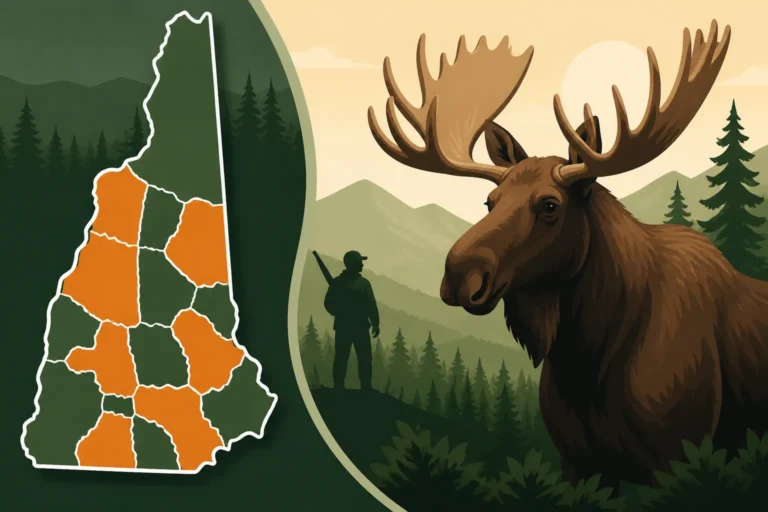
New Hampshire's Fish and Game Department uses WMUs (A through M) to manage deer populations on a localized basis. This system allows them to issue "any-deer" permits in areas where the deer population can sustain additional harvest, often targeting does to control overall numbers, improve herd health, or reduce deer-vehicle collisions. Conversely, in WMUs where deer numbers are lower or growing, antlerless permits might be restricted or not issued at all. These decisions are made annually based on herd surveys, winter severity, and previous harvest data. What was allowed last year might not be this year, so it's critical to check the current digest every single season. For example, some WMUs might have ample antlerless permits available, while others, particularly in the northern parts of the state where winters are harsher and deer populations naturally lower, might offer very few or none. This localized control is why you can't just assume a statewide rule applies.
Identifying Your WMU for Late-Season Hunting
Knowing your specific WMU is paramount. You could be hunting a large tract of public land that spans multiple WMUs, or even private land adjacent to a different zone. Misidentifying your WMU could lead to illegally harvesting an antlerless deer. There are several ways to confirm your location. The official New Hampshire Fish and Game website offers interactive maps, and you can always consult the printed hunting digest which includes a large map. Digital mapping applications, like GoHunt, are incredibly useful tools for pinpointing your exact location within a WMU, even when you're deep in the woods without cell service. Before you step foot outside your vehicle, spend a few minutes verifying which WMU you're in, and familiarize yourself with its specific boundaries. Remember, boundaries often follow natural features like rivers, major roads, or old property lines, but sometimes they can be less obvious.
Population Management Goals and Antlerless Harvest
The primary goal of antlerless harvest is to manage the female segment of the deer population. When doe numbers are too high, it can lead to overbrowsing of habitat, increased disease transmission, and a higher proportion of young, less healthy bucks due to competition for resources. By issuing antlerless permits, Fish and Game aims to balance the herd with the available habitat, ensuring a healthy, sustainable deer population for future generations. This management also contributes to herd quality, as a balanced sex ratio and age structure generally lead to larger, healthier deer overall. So, while it might feel like "just a doe," your ethical participation in the antlerless harvest directly contributes to the long-term health and vitality of New Hampshire's deer herd, especially in the more populated southern WMUs.
Key Dates and Regulations for Late-Season Antlerless Hunting
The general deer firearms season in New Hampshire is notoriously short for many hunters, often leaving folks wishing for more time in the woods. Thankfully, for those willing to embrace the cold and use different methods, there are late-season antlerless opportunities that extend well beyond the rifle season. However, these are strictly regulated and depend on the specific weapon and WMU you're hunting in.
Archery Season Antlerless Opportunities
For bowhunters, the good news is that New Hampshire's archery season for deer is quite long, often stretching into mid-December in many WMUs. This extended season provides significant opportunities for harvesting an antlerless deer. Generally, an "any-deer" archery permit allows you to harvest one antlered or one antlerless deer, as long as you adhere to the specific WMU regulations for that year. After the firearms season closes, many archers will continue to pursue deer, focusing on food sources and bedding areas in the colder weather.
It's crucial to understand that while the archery season itself might extend, the "any-deer" permit allocation can vary. Some WMUs might have an "any-deer" permit available throughout the entire extended archery season, meaning you can take a doe. Other WMUs, however, might have exhausted their antlerless quota or simply don't have enough permits to extend that far into the season. Always check the current year's digest for specific details on when and where you can take an antlerless deer with your bow during the latter part of the season. For instance, the general archery season can run through mid-December in many units, allowing you to be out for the Hunting the December Archery Close. This can be a prime time as deer are often congregating on late-season food sources before deep snows hit.
Muzzleloader Season Antlerless Rules
The muzzleloader season in New Hampshire typically falls in November, nestled between the archery and firearms seasons, and often offers specific days or a portion of the season designated for antlerless deer. However, the true late-season muzzleloader opportunity for antlerless deer often extends after the main firearms season, usually into early to mid-December, but again, this is highly WMU-dependent and often requires an "any-deer" muzzleloader permit.
For example, in many WMUs, the muzzleloader season has an antlered-only phase, followed by an "any-deer" phase where an antlerless deer can be harvested if you possess the correct permit. Then, in the late season, after the shotgun/rifle portion has wrapped up, certain WMUs may reopen for a muzzleloader-only period specifically for antlerless deer. This usually requires a separate muzzleloader "any-deer" permit that you must apply for and be drawn for in advance. The ability to harvest an antlerless deer during this period is a fantastic opportunity for muzzleloader enthusiasts, especially when deer are heavily focused on Late-Season Food Sources for New Hampshire Whitetails and still relatively active. Always confirm the exact dates and permit requirements for your target WMU in the annual hunting digest, as these can shift slightly year to year. For more information on this specific opportunity, you might want to review details on Hunting Into the December Muzzleloader Close.
Special Antlerless Opportunities and Permits
Beyond the general archery and muzzleloader seasons, there can sometimes be highly localized, special antlerless opportunities. These are less common statewide but occasionally occur in specific areas to address overpopulation or nuisance deer issues, often involving special permits or landowner tags. These special hunts are usually limited in scope and duration and are almost always announced well in advance through the NH Fish and Game Department.
The most common way to hunt antlerless deer in the late season is through the "any-deer" permit system. These permits are typically applied for in July or August and are allocated via a lottery system. If you are drawn for an "any-deer" permit, it usually allows you to take an antlerless deer during the open season for your chosen weapon (archery or muzzleloader) in the WMU for which the permit was issued, provided that WMU has open antlerless dates. Without an "any-deer" permit, you are generally restricted to antlered deer only, regardless of the season. Always check the specific rules outlined by New Hampshire Fish and Game for the current hunting year, as the number of permits and the specific WMUs they apply to can change.
Here’s a simplified breakdown of common late-season antlerless permit scenarios:
| Permit Type | Season | Typical Duration | WMU Availability | Notes |
|---|---|---|---|---|
| Archery "Any-Deer" | Archery Season | Through mid-December | Varies by WMU | Allows one antlered or antlerless deer. Check WMU for specific dates. |
| Muzzleloader "Any-Deer" | Muzzleloader Season | Early-to-mid December | Varies by WMU, often limited | Specifically for antlerless deer after main firearms closes. |
| Special Permits | Varying | Short, localized | Very specific WMUs | Rare; address specific local issues. |
Always consult the current New Hampshire Hunting Digest for precise dates and regulations, as these are subject to change annually.
Specific Scenarios and Considerations for Antlerless Hunters
Hunting antlerless deer in the late season isn't just about knowing the dates and permits; it requires adapting your hunting strategies to colder weather and changing deer behavior. The woods are quieter, the deer are warier, and the elements can be unforgiving. You'll face different challenges than earlier in the fall, which can also present unique opportunities.
Public vs. Private Land Antlerless Opportunities
Whether you're hunting public or private land can significantly impact your late-season antlerless strategy. On public lands, especially in the more accessible WMUs, deer can be highly pressured after months of hunting. They often become nocturnal or seek out the thickest cover, making them harder to find. However, public land offers vast tracts, and if you're willing to walk further and get off the beaten path, you might find pockets of deer that haven't seen much pressure. Using tools like GoHunt to analyze terrain features, identify remote access points, and locate potential bedding areas can give you an edge. Many hunters also find success by Still-Hunting White Mountain National Forest Timber during these late periods, moving slowly and deliberately.
On private land, the story can be different. If you have permission to hunt, you might encounter less pressured deer, especially if the landowners have limited hunting on their property. Many agricultural lands, for example, will hold deer well into the late season as they seek out remaining food sources. Establishing good relationships with landowners is key, and they might even be more open to antlerless harvest in the late season to help manage their local deer population or protect crops. Remember, even on private land, you still need to adhere to all state regulations, including having the correct antlerless permit for your WMU. Also, ensure you have explicit permission to track wounded game onto adjacent properties. When looking for permission, remember to ask about specific local rules.
Tracking and Recovery Challenges in Winter Conditions
Late-season hunting often means colder temperatures, and potentially, snow. While snow can be a fantastic tool for Tracking a Deer in Fresh White Mountain Snow, it also presents its own set of challenges for recovery. A blood trail can be hard to follow on snow if the blood is dark or minimal, and falling snow can quickly cover a trail. A well-placed shot is always paramount, but it becomes even more critical in late season to avoid long tracking jobs in freezing temperatures or fading light.
When hunting in cold weather, deer can often stiffen up faster, potentially making recovery more difficult if they travel a long distance. Always carry a reliable light source, even if you plan to be out only during daylight hours, as a tracking job can easily extend into the night. It's also wise to inform someone of your hunting plans and expected return time, especially if you're venturing into remote areas. For detailed advice on navigating these situations, be sure to read up on Blood Trailing After Dark in New Hampshire. Be prepared for the conditions with proper gear, including sturdy, insulated boots like those discussed in Boots for New Hampshire's Granite Terrain, and a good quality headlamp.
Ethical Considerations for Late-Season Antlerless Hunting
Hunting late in the season, particularly when deer are facing the stress of winter, carries additional ethical responsibilities. Ensure you are taking clean, ethical shots that lead to quick kills. Deer are conserving energy in cold weather, and a wounded deer struggling through deep snow or freezing temperatures has a significantly reduced chance of survival. Patience is your greatest ally. Wait for the absolute best shot opportunity, even if it means passing on a less-than-ideal shot.
Additionally, respect for the animal and the resource remains paramount. Field dressing quickly and getting the meat cooled down is still important, even in cold weather, to ensure the best quality venison. Consider having game bags on hand, especially if you anticipate a long pack-out. For those harvesting meat for the table, remember that does are often excellent table fare, and contribute significantly to your freezer stock, which is a big part of why many hunters target them. Being mindful of these practices ensures a responsible and rewarding late-season hunt.
Obtaining and Using Your Antlerless Deer Permit
The "any-deer" permit is the golden ticket for most late-season antlerless hunting in New Hampshire. Without it, your opportunities are severely limited, regardless of what the calendar says. Understanding how to acquire and properly use this permit is essential for a legal and successful hunt.
The Application Process for "Any-Deer" Permits
New Hampshire's "any-deer" permits are allocated through a lottery system, and the application period typically runs during the summer months, usually starting in July and closing in August. You apply for a permit specific to a particular WMU and a specific weapon (archery or muzzleloader). It's critical to choose your WMU wisely based on your hunting plans and the likelihood of drawing a permit. Some WMUs, especially those with high deer populations, might have better draw odds than others.
The application itself is usually done online through the New Hampshire Fish and Game website. There's a small application fee, and you'll need to have a valid New Hampshire hunting license already purchased. When applying, you'll select your primary WMU choice and often a secondary choice. If drawn, your permit will clearly state the WMU and weapon it's valid for. Miss the application deadline, and you've missed your chance for an "any-deer" permit for the season, so mark your calendar! Information on how many permits are issued and historical draw odds for specific WMUs can sometimes be found in the annual digest or on the Fish and Game website, helping you strategize your application. GoHunt or similar resources also often consolidate this information for easier access.
Permit Validity and Restrictions
Once you've successfully drawn an "any-deer" permit, it's vital to understand its specific validity and restrictions.
- WMU Specificity: Your permit is only valid in the WMU for which it was issued. Hunting in an adjacent WMU, even if it has an open antlerless season, is illegal if your permit isn't for that zone.
- Weapon Specificity: An archery "any-deer" permit is only valid for archery equipment; a muzzleloader "any-deer" permit is only valid for muzzleloader equipment. You cannot use a muzzleloader permit with a bow, or vice versa.
- Season Dates: The permit is only valid during the specific antlerless dates designated for that weapon and WMU. Just because you have a permit doesn't mean you can take a doe on any day of the season. Always cross-reference your permit with the current hunting digest for the exact dates.
- Bag Limit: The "any-deer" permit allows you to harvest one antlerless deer in addition to your regular antlered deer tag (if you've already filled it, or if you choose to take a doe first). This effectively increases your potential deer harvest for the season, providing more opportunities to fill the freezer.
Understanding these restrictions is not just about avoiding a fine; it's about respecting the management efforts of Fish and Game to maintain a healthy deer herd. Any violation of these rules undermines those efforts and can negatively impact future hunting opportunities for everyone.
Reporting Your Antlerless Harvest
Just like any other deer harvested in New Hampshire, an antlerless deer taken with an "any-deer" permit must be registered. New Hampshire offers several ways to report your deer, including online registration through the Fish and Game website or app, or in-person at a designated registration station. The reporting deadline is critical – typically within 12 hours of harvest.
When you register your deer, you'll need to provide information such as the WMU of harvest, the date, method of take, and whether it was antlered or antlerless. This data is incredibly valuable to Fish and Game as it helps them assess the health of the deer herd, track harvest numbers, and make informed decisions about future permit allocations and season structures. Failing to report your harvest not only breaks the law but also deprives wildlife managers of crucial data. So, after a successful late-season hunt, make sure that registration is your very next step, even if it's cold and you're tired. For a detailed guide on this process, you can refer to New Hampshire Deer Reporting Requirements or how to best utilize Registering a New Hampshire Deer Online.
Disclaimer
Please remember that hunting regulations, including season dates, bag limits, and permit requirements, are subject to change annually by the New Hampshire Fish and Game Department. Always consult the most current New Hampshire Hunting Digest or visit the official NH Fish and Game website before heading into the field to ensure you are in compliance with all applicable laws and regulations. This guide is for informational purposes only and should not be considered a substitute for official legal documentation.