New Hampshire Deer and Moose Disease Monitoring
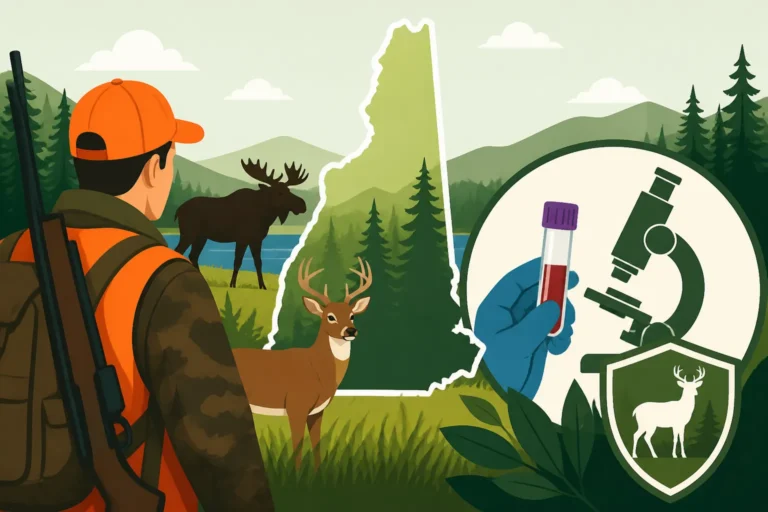
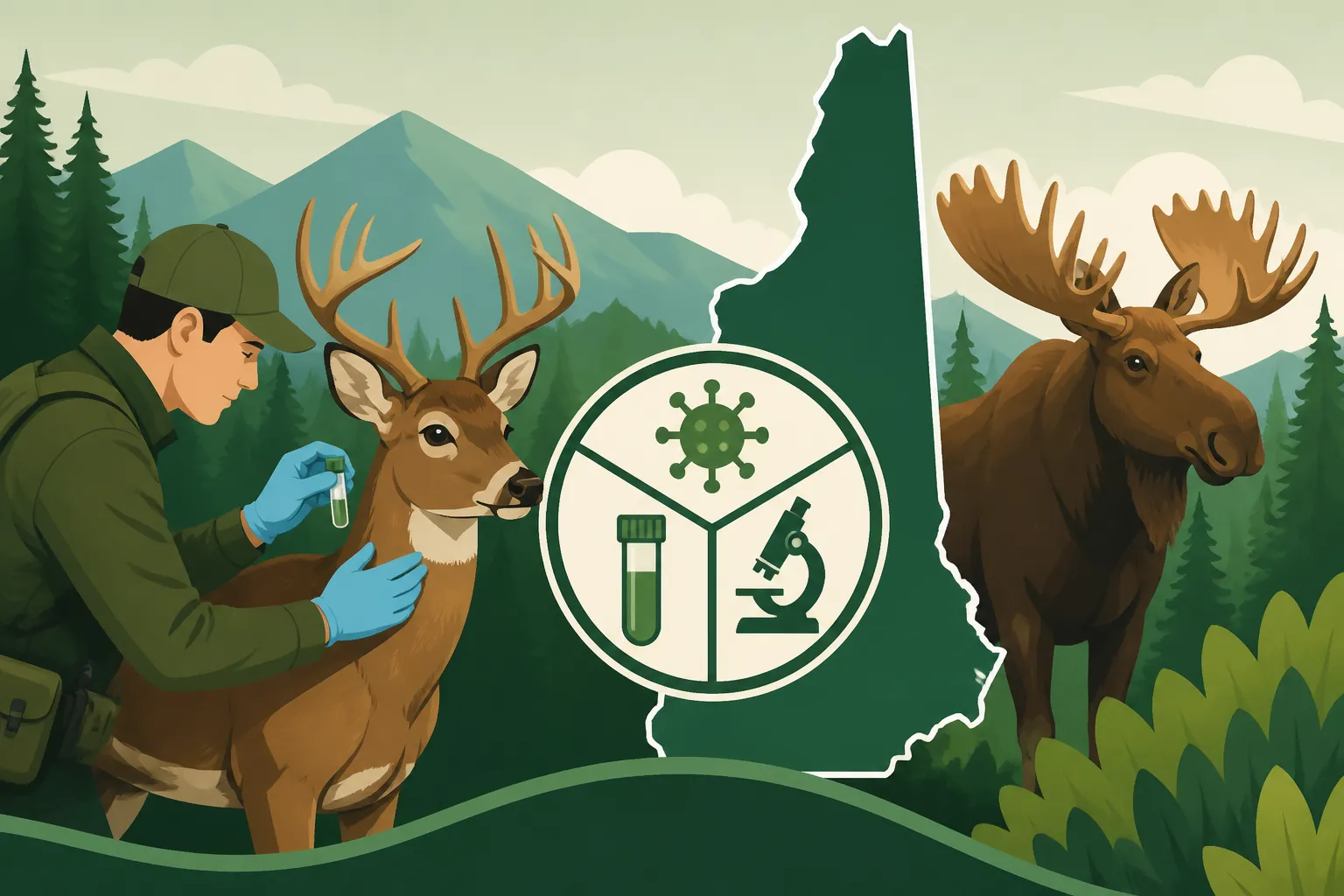
It can be truly disheartening to see the news, or even witness firsthand, the impact of diseases on our beloved New Hampshire deer and moose. As hunters and stewards of the land, we all want to ensure the health and vitality of these iconic game species, and the thought of widespread illness affecting them is a real concern. This guide is dedicated to shedding light on the robust disease monitoring efforts in place for white-tailed deer and moose in the Granite State, explaining what's being done and how you, as a hunter, play an indispensable role in safeguarding our wildlife.
The Importance of Wildlife Disease Monitoring
When we talk about hunting, most of us focus on seasons, gear, and tactics. But underneath it all, the health of the animal populations we pursue is paramount. Wildlife disease monitoring isn't just a fancy term; it's a critical component of conservation and responsible wildlife management, especially here in New Hampshire where our deer and moose populations are such a cherished resource.
Why We Track Wildlife Health
Tracking the health of our wildlife isn't simply about preventing a few animals from getting sick; it's about the bigger picture. Imagine an outbreak of disease that sweeps through a local deer herd. Not only would that impact hunting opportunities, but it could also have cascading effects on the entire ecosystem. Predators that rely on deer for food might struggle, and plant communities could be impacted by changes in browsing pressure. We're talking about ecosystem health, and it's all interconnected. Beyond that, there are sometimes human health concerns. While rare, some wildlife diseases can be zoonotic, meaning they can be transmitted to humans. Think about the peace of mind that comes from knowing the venison you're putting on your table is from a healthy animal.
Then there’s the economic aspect, which often goes unmentioned but is very real. Hunting in New Hampshire generates significant revenue, supporting local businesses, guides, and taxidermists. A decline in deer or moose populations due to disease could hit our rural economies hard. So, when wildlife agencies invest in monitoring, they're protecting not just the animals, but also our way of life, our traditions, and the livelihoods tied to them. It's a proactive approach that helps us identify threats early, understand their potential impact, and develop strategies to mitigate them before they become insurmountable. Looking at trends through programs like the annual New Hampshire Deer Population Estimate helps agencies see the big picture.
The Role of Hunters in Monitoring Efforts
As hunters, we are, without a doubt, the eyes and ears of the woods. We spend more time immersed in these environments than almost anyone else. We are the ones observing animals up close, noticing subtle changes in behavior, body condition, or even the presence of unusual growths. This makes us absolutely invaluable in early disease detection and ongoing monitoring. When you see a deer acting strangely, looking emaciated, or moving with an unusual gait, your report to the New Hampshire Fish and Game Department could be the critical first alert that helps prevent a larger issue.
Many monitoring programs rely directly on hunter participation. When you bring your deer or moose to a check station, or utilize specific drop-off points, you're not just registering your harvest; you're often providing biological samples that are crucial for tracking disease prevalence and overall herd health. This direct contribution is often voluntary, yet it yields some of the most vital data. It’s part of our ethical responsibility as hunters to not just take from the land, but to also give back by helping to protect and preserve it. The collective observation power of thousands of hunters across the state far exceeds what any single agency could achieve on its own. It's a true partnership, and platforms like GoHunt can help you quickly find the resources and contact information you need to make those important reports.
Understanding Chronic Wasting Disease (CWD) Monitoring
Chronic Wasting Disease (CWD) is a topic that can send shivers down any hunter's spine. It's a neurological disease affecting deer, elk, and moose, and unfortunately, it's spreading across North America. The good news for us here in the Granite State is that New Hampshire remains CWD-free, and a significant amount of effort goes into keeping it that way.
New Hampshire's Proactive Stance on CWD
New Hampshire has taken a very aggressive and proactive stance to prevent CWD from entering our borders, and for that, we can all be thankful. It’s a constant vigilance, because once CWD gets into a wild deer herd, it is incredibly difficult, if not impossible, to eradicate. The disease agents, called prions, can persist in the environment for years, making prevention our absolute best defense. This is why you'll see strict rules around importing carcasses from out-of-state and even prohibitions on certain natural lures. The state's dedication to New Hampshire's CWD Prevention Rules is not about making hunting harder; it's about protecting our animals and our hunting heritage for generations to come.
These prevention strategies are not just arbitrary rules; they are scientifically informed measures designed to minimize risk. They recognize that one of the primary ways CWD spreads is through the movement of infected animals or contaminated carcass parts. By limiting these potential vectors, New Hampshire is trying to create a protective barrier. It can sometimes feel inconvenient, especially if you hunt in neighboring states, but understanding the 'why' behind these regulations really helps to underscore their importance. Every hunter's adherence to these rules is a direct contribution to our state remaining CWD-free. It's a shared responsibility that none of us can take lightly.
How Samples Are Collected and Tested
So, how does New Hampshire ensure we remain CWD-free? A major part of the strategy involves extensive testing of deer and moose harvested within the state. When you voluntarily submit samples from your harvest, you're directly contributing to the New Hampshire's CWD Surveillance Program. The process usually involves collecting specific tissues, typically lymph nodes from the throat area or brain stem, which are then sent to a diagnostic lab for testing. This is often done at official game check stations during peak hunting seasons, where trained personnel can quickly and efficiently collect the necessary samples.
Hunter cooperation is absolutely critical here. Without a robust sample size, it's much harder to confidently state that the state is CWD-free. These tests aren't quick, but they are thorough and designed to detect the presence of prions. The state relies on these annual samples to build a comprehensive picture of the health of our deer and moose populations, ensuring that if CWD were ever to appear, it would be detected as early as possible. This early detection would then trigger immediate response protocols to contain and manage the disease, but thankfully, to date, all tests have come back negative. It's a testament to both our preventative measures and the diligent participation of hunters.
Carcass Import Restrictions and Hunter Responsibility
One of the most impactful rules for CWD prevention directly affects hunters who travel out of state. New Hampshire has strict New Hampshire Carcass Import Restrictions that prohibit bringing whole deer, elk, moose, or caribou carcasses from any state or province where CWD has been detected. This regulation is crucial because the CWD prions are most concentrated in the brain, spinal cord, lymph nodes, and spleen of an infected animal. Transporting these parts across state lines creates a direct pathway for the disease to enter New Hampshire.
Hunters are allowed to bring back deboned meat, hides without the head, skulls (cleaned of all tissue and brain matter), antlers, and finished taxidermy mounts. This ensures that you can still enjoy your out-of-state hunting experiences while drastically reducing the risk of CWD introduction. It might mean a bit more work in the field or at the butcher shop, but it's a small price to pay for protecting our local herds. Many hunters use resources like GoHunt to keep up with the latest regulations, not just in New Hampshire but in surrounding states as well, making it easier to plan their hunts and ensure compliance. Understanding and meticulously following these import restrictions is perhaps the single most important thing a traveling hunter can do to safeguard our state from CWD.
Monitoring for Moose Health Challenges
While CWD rightly gets a lot of attention, our moose population faces a different, yet equally pressing, health challenge: the insidious threat of winter ticks. These tiny parasites have had a profound impact on moose numbers, particularly in the northern reaches of the state, and monitoring their effects is a major focus for wildlife biologists.
The Persistent Threat of Winter Ticks
If you've spent any time hunting moose or even just observing them in New Hampshire, you've likely heard about winter ticks. These aren't your typical dog ticks or deer ticks. The unique aspect of winter ticks is that they infest moose in massive numbers, sometimes tens of thousands on a single animal, and they feed continuously through the colder months. This constant blood loss, especially during winter when moose are already stressed, can lead to severe anemia, hair loss, and ultimately, death. It's particularly devastating for calves, who are less resilient, making them highly susceptible. You often hear them referred to as "ghost moose" because they rub off so much of their hair trying to relieve the itching from the ticks, leaving them with patchy, light-colored coats.
The impact is stark: we've seen a New Hampshire Moose Population Decline Since the 1990s, with winter ticks identified as a primary driver. Biologists are actively monitoring moose mortality, especially calves, to understand the extent of the tick problem. Efforts like estimating How Many Ticks Infest a New Hampshire Moose Calf help quantify the scale of the challenge. It’s a heartbreaking sight to come across an emaciated moose covered in these parasites, and it underscores the urgency of understanding and addressing this threat. There's an ongoing struggle against these tiny creatures, and it’s a constant battle for survival for many of our majestic moose.
Moose Mortality Studies and Research
To truly understand the impact of winter ticks and other factors on our moose, biologists conduct extensive mortality studies. This involves a multi-pronged approach to gather as much data as possible. One common method is collaring moose with GPS transmitters, which allows researchers to track their movements, habitat use, and, crucially, detect when an animal stops moving – indicating a potential mortality event. When a collared moose dies, biologists will attempt to recover the carcass for a necropsy (an animal autopsy). These necropsies provide invaluable information, allowing scientists to determine the cause of death, assess body condition, and quantify tick loads.
These studies also involve aerial surveys to estimate populations and observe moose condition from above. The data collected from these efforts feeds directly into management decisions, helping the state determine appropriate hunting permit numbers, identify areas where moose are most vulnerable, and explore potential mitigation strategies. For instance, some of the discussion around New Hampshire Moose Density Reduction Efforts is directly linked to research showing that lower moose densities might help reduce tick transmission rates by making it harder for ticks to find hosts. It’s all about gathering scientific evidence to make the best possible conservation choices for this iconic species.
Hunter Observations and Reporting
Just like with deer, moose hunters are crucial partners in monitoring moose health. When you're out in the field, whether scouting or hunting, you have a unique opportunity to observe these animals up close. If you're fortunate enough to draw a tag and harvest a moose, your observations and any samples you provide are incredibly valuable. Beyond harvest, reporting observations of live moose is equally important. Did you see a moose that looked severely emaciated? Did it have significant hair loss, indicative of a heavy tick burden? Did it seem disoriented or move unnaturally?
Reporting these kinds of observations to the New Hampshire Fish and Game Department can provide vital real-time data that supplements the more intensive research studies. Even if you don't have a tag, if you're hiking, camping, or just driving through the North Country and see a moose exhibiting signs of illness, make that call. The more eyes we have on the ground, the better our collective understanding of moose health will be. This information helps biologists track trends, identify problem areas, and assess the overall well-being of the herd, allowing them to adapt management strategies as needed.
Other Noteworthy Wildlife Health Concerns
While CWD and winter ticks often dominate the conversation for deer and moose, it’s important to remember that wildlife can be affected by a host of other health issues. New Hampshire Fish and Game monitors a variety of conditions, some common, some rare, to ensure the overall health of our game species.
Hair Loss Syndrome in Deer
Walking through the woods, you might occasionally spot a deer with a rather alarming condition: patchy, rubbed-off hair, sometimes looking almost mangy. This is often referred to as Hair Loss Syndrome or Alopecia, and it’s primarily caused by heavy infestations of lice. While it looks quite severe and can be very uncomfortable for the deer, it’s usually not fatal. The deer might be weakened, stressed, and more susceptible to other illnesses or harsh winter conditions, but the lice themselves don’t typically kill the animal.
This condition is monitored because a high prevalence could indicate an underlying stressor in the herd or a general decline in overall health. You might see it more commonly in late winter or early spring when deer are already at their lowest nutritional point. If you harvest a deer with Hair Loss Syndrome, it's always a good idea to report it, as it contributes to the state's data on herd health. The meat from these animals is generally fine for consumption if properly cooked, but many hunters, understandably, might pass on such an animal, even if legal, due to its appearance.
EHD and Blue Tongue
Epizootic Hemorrhagic Disease (EHD) and Blue Tongue (BT) are two other diseases that can affect deer, often with rapid and severe consequences. These viral diseases are transmitted by biting midges, sometimes called no-see-ums. Symptoms can include high fever, swelling of the head and neck, internal hemorrhaging, and a blue tongue (hence the name for BT). Deer affected by these diseases often seek water to cool down and may be found dead near streams or ponds.
While EHD and Blue Tongue are more prevalent in warmer climates, particularly in the southeastern U.S., New Hampshire does keep an eye out for them. Our colder climate and shorter midge season generally offer some protection, but as climates shift, vigilance remains important. Should an outbreak occur, it can cause significant, rapid die-offs in localized areas. Fortunately, these diseases pose no known threat to humans, and infected deer are not considered a risk to human health, though consuming sick animals is generally not advised. It's simply another piece of the puzzle that the New Hampshire Fish and Game Department monitors through its New Hampshire Wildlife Disease Monitoring Program.
Parasites and General Health Indicators
Beyond the more dramatic diseases, wildlife biologists also look at the prevalence of common parasites as indicators of overall herd health. Things like lungworms, liver flukes, and various gastrointestinal parasites are a natural part of the ecosystem, and most wild animals carry some load of them. However, an unusually high parasite burden can signal that a population is stressed, overpopulated for its habitat, or suffering from poor nutrition.
For hunters, encountering these parasites in a harvested animal can be a bit unsettling. For example, finding liver flukes in a deer liver might make you hesitate. The good news is that most common wildlife parasites are host-specific, meaning they don't pose a threat to human health, especially once the meat is thoroughly cooked. Proper field dressing and processing, including discarding heavily infected organs, are always recommended. Observing the general health and condition of the deer you harvest, noticing fat reserves, and checking for any unusual internal findings, all contribute to a broader understanding of the health of the herd. This holistic approach helps wildlife managers understand how well our animals are coping with their environment and the various challenges they face.
What Hunters Can Do to Help
Knowing about disease monitoring and the challenges our deer and moose face can sometimes feel overwhelming, but it also empowers us as hunters to be part of the solution. Our actions in the field and our awareness can make a significant difference in maintaining healthy wildlife populations.
Practicing Ethical Hunting and Carcass Disposal
Ethical hunting goes beyond fair chase; it extends to how we handle the animals we harvest. Proper field dressing is not only essential for preserving the meat but also plays a role in disease management. By gutting animals away from water sources and roads, you help prevent the spread of any potential pathogens into sensitive areas. When it comes to disposing of carcasses or unused parts, make sure to do so legally and responsibly. This means not just leaving them in a ditch by the roadside. Consult your local regulations for appropriate disposal methods, which often include burying them deeply, taking them to a designated landfill, or leaving them in an area where scavengers can naturally process them, away from human activity or high-traffic wildlife areas.
This diligent approach minimizes the chance of disease transmission and shows respect for the animal and the environment. It also prevents attracting unwanted scavengers to populated areas. Additionally, if you decide to share your harvest, understanding proper handling and preparation methods is key. If you're considering something like Donating Venison in New Hampshire, ensure the carcass is healthy and processed according to guidelines.
Staying Informed and Reporting Sightings
One of the easiest and most impactful ways you can help is to simply stay informed. The New Hampshire Fish and Game Department website is an invaluable resource for the latest regulations, news, and information on wildlife health. Make it a habit to check it before and during hunting seasons. Tools like GoHunt can also be excellent for accessing up-to-date regulations and news flashes related to wildlife health and testing requirements in New Hampshire and beyond. Knowing what to look for—be it signs of CWD, winter tick infestation, or other unusual behaviors—equips you to be a more effective steward.
More importantly, if you see something unusual, report it. Don't assume someone else will. If you encounter a sick or dead deer or moose that shows signs of disease (emaciation, abnormal behavior, lesions, excessive hair loss), contact New Hampshire Fish and Game immediately. They can send a biologist to investigate, collect samples, and assess the situation. Your timely report could be the first step in identifying and containing a potential outbreak, playing a crucial role in the state's ongoing New Hampshire Wildlife Disease Monitoring Program. Even if it turns out to be nothing serious, it’s always better to err on the side of caution.
Supporting Wildlife Management Through Licenses and Fees
It’s easy to look at the cost of hunting licenses, stamps, and permits and sometimes grumble a bit, but it’s important to remember where a significant portion of that money goes. A substantial part of the funding for wildlife disease monitoring, research, habitat management, and enforcement efforts comes directly from hunters like you. Through the purchase of hunting licenses and tags, as well as excise taxes on firearms, ammunition, and archery equipment (thanks to the Pittman-Robertson Act), hunters provide a self-sustaining funding source for conservation.
This means that every time you buy a license, you're directly investing in the health of our wildlife populations. You're funding the biologists who conduct moose mortality studies, the technicians who test for CWD, and the wardens who enforce carcass import restrictions. It's a powerful and often unsung aspect of hunting – that we are not just participants, but also the primary funders and advocates for wildlife conservation. So, the next time you're purchasing your license, remember that you're directly contributing to the vital work of keeping New Hampshire's deer and moose healthy for generations of hunters and wildlife enthusiasts to come.
Here's a quick overview of some key diseases and how hunters can help:
| Disease/Condition | Primary Species Affected | Key Symptoms | Impact on Wildlife | Hunter Action/Role |
|---|---|---|---|---|
| Chronic Wasting Disease (CWD) | Deer, Moose, Elk | Emaciation, drooling, neurological signs, abnormal behavior | Always fatal, highly contagious | Adhere to import rules, submit samples, report sick animals |
| Winter Tick Infestation | Moose | Massive hair loss, anemia, emaciation, weakness | Often fatal, especially for calves | Report observations of heavily-ticked moose |
| Hair Loss Syndrome | Deer | Patchy hair loss, skin irritation (lice) | Generally not fatal, but weakening | Report sightings, proper carcass disposal |
| EHD/Blue Tongue | Deer | Fever, swelling, internal hemorrhaging, seeking water | Can cause rapid, localized die-offs | Report dead or sick deer near water |
| Common Internal Parasites | Deer, Moose | Can indicate overall stress/poor health | Generally not fatal unless severe | Proper field dressing, observe condition of harvest |
Disclaimer
This article is for general informational purposes only and does not constitute professional advice. Laws, prices and regulations vary by location and change over time. Consult a qualified professional for guidance on your specific situation.