Where New Hampshire Bobcats Are Rebounding
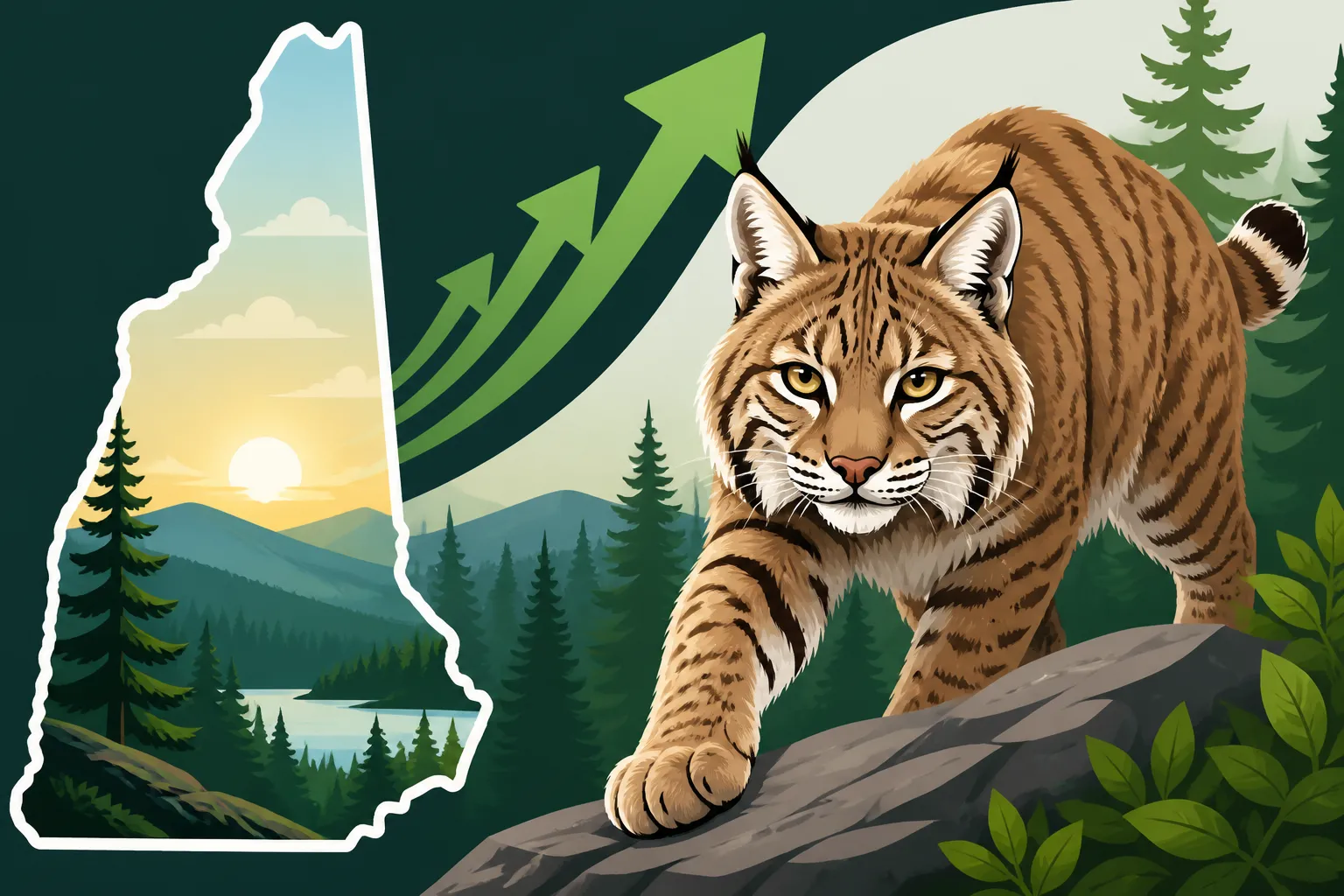
For years, many folks in New Hampshire rarely, if ever, caught a glimpse of a bobcat. These elusive felines, once more common, faced significant challenges that pushed their populations down, making sightings a rare and exciting event. This guide dives deep into the remarkable recovery story of New Hampshire's bobcats, exploring where these shy predators are making their strongest comeback and what factors are contributing to their resurgence across the Granite State.
The Historical Struggle and Modern Recovery of New Hampshire Bobcats
It's easy to look at the robust wildlife populations we enjoy today and forget that many species have faced incredibly tough times, teetering on the edge of local extirpation. New Hampshire's bobcats are a prime example of a resilient species that has clawed its way back from a period of scarcity, demonstrating nature's capacity for recovery when given the chance. Understanding their past helps us appreciate their present success and the efforts that have paved the way for their comeback.
Tracing the Decline: Why Bobcats Almost Disappeared
Back in the day, bobcats faced a barrage of pressures that significantly diminished their numbers. For a long time, they were often viewed simply as varmints, competitors for game species, or even a threat to livestock, leading to largely unregulated hunting and trapping. There wasn't the same ecological understanding or conservation ethic that we have today. People were more focused on settlement, agriculture, and resource extraction, and predators like bobcats were often seen as obstacles rather than vital components of a healthy ecosystem.
Beyond direct human impacts, habitat loss played a massive role. As New Hampshire's forests were cleared for farms, towns, and timber, the dense, diverse habitats that bobcats rely on for hunting, denning, and raising young became fragmented or disappeared entirely. They need thick cover, often brushy areas or rocky outcrops, to stalk prey and remain hidden from both prey and potential threats. When those critical pieces of their home range vanished, so did their ability to thrive. The combination of these factors pushed New Hampshire's bobcat population to historically low levels, making them a truly rare sight for generations of outdoorsmen and women.
The Turnaround: Conservation Efforts and Natural Rebound
Thankfully, the tide began to turn, thanks to a shift in public perception, improved wildlife management practices, and a natural regeneration of their habitat. New Hampshire, like many other states, began to implement stricter regulations on trapping and hunting of furbearers. Bobcat populations were given much-needed protection, allowing them to slowly begin rebuilding their numbers without constant pressure. This shift wasn't just about laws; it was about a growing recognition of the intrinsic value of native wildlife and the complex role predators play in maintaining ecological balance.
Simultaneously, a significant change in New Hampshire's landscape provided a crucial boost. As many farms were abandoned in the 20th century, vast tracts of land reverted to forest. This process, known as forest regeneration or succession, created an abundance of the brushy, dense young forest and thickets that bobcats absolutely adore. This regrown habitat offered not just cover, but also a boom in prey species like snowshoe hares, cottontail rabbits, and various rodents. Wild turkey populations also rebounded strongly across the state, providing another valuable food source, especially for vulnerable poults. The bobcats are incredibly adaptable; they don't need pristine wilderness, but rather a mosaic of woodlands, fields, and wetlands, and New Hampshire's recovering landscape provided just that. The state's Fish and Game Department has been instrumental in monitoring these trends, and we've seen a steady, encouraging increase in sightings and population estimates over the past few decades. For more insight into their population trends, check out New Hampshire Bobcat Population Trends.
Prime Rebounding Zones: Where Bobcats Are Making a Strong Comeback
While bobcats are expanding their presence across much of New Hampshire, some regions are witnessing a particularly strong resurgence. These areas often share common characteristics: a healthy blend of dense cover, reliable food sources, and, perhaps surprisingly, a certain level of adaptability to human-altered landscapes. It's not always the deepest, darkest woods where they're thriving most; sometimes, it's the mosaic of habitats closer to us that offers them the perfect blend of opportunities.
The Southern Tier and Seacoast: Surprising Success Stories
You might not expect to find a top predator like the bobcat thriving near more populated areas, but the southern tier and Seacoast regions of New Hampshire are proving to be surprising hotspots for bobcat recovery. These areas, despite their relatively higher human density, offer a unique advantage: a patchwork quilt of suburban developments interspersed with ample woodlots, overgrown fields, and wetlands. It's this "edge habitat" that bobcats excel in. They utilize the small, fragmented parcels of woods for cover and denning, while readily hunting the abundant prey found along the edges of fields, suburban backyards, and even industrial parks.
Think about the rich tapestry of life in these areas: an explosion of rabbits, squirrels, and wild turkeys, along with a healthy population of deer, whose fawns can be an opportunistic meal for a bobcat. These feline hunters are remarkably adept at navigating human-modified landscapes, often moving silently and unseen even when quite close to homes. The thick underbrush in unmanaged woodlots, the dense cover along river corridors, and the rocky ledges that might be tucked away just beyond a neighborhood all provide ideal habitat. They're still shy, of course, but their presence is becoming more and more undeniable. When you're out Hunting Small Woodlots Near Manchester or even just driving through, keep your eyes peeled; you might just catch a glimpse of one of these amazing animals. The Seacoast region, specifically, offers a blend of coastal marshes and wooded uplands that create fantastic hunting grounds for bobcats, making Hunting the WMU J1 Seacoast Approach a place where you might encounter more than just waterfowl.
The Central Highlands and Monadnock Region: Forested Strongholds
Moving slightly inland, the central highlands and the Monadnock Region present a more traditional, yet equally robust, success story for bobcat populations. These areas are characterized by larger, more contiguous blocks of forest, rugged terrain, and generally lower human population densities compared to the southern tier. Here, bobcats benefit from vast stretches of unbroken habitat, offering extensive opportunities for hunting, breeding, and territorial establishment without as much direct human disturbance.
The Monadnock Region, in particular, with its rolling hills, diverse timber stands, and abundant rocky outcroppings, provides exceptional habitat. These geological features create perfect den sites – secure, hidden places to raise their young. The extensive forests support a healthy ecosystem with a rich prey base, including snowshoe hares, cottontail rabbits, various rodent species, and a strong deer herd, providing reliable food throughout the year. The diverse forest types, from mature hardwoods to dense conifer stands, offer a variety of hunting scenarios and ample cover. Hunters who spend time Hunting the Monadnock Region Hills or traversing the vast state forests in these areas are increasingly reporting bobcat sightings and tracks, a testament to their strong presence and rebound in these traditional forested strongholds.
North Country Expansion: Slower but Steady Progress
While the North Country has always been considered prime furbearer territory, the bobcat's recovery narrative here is more about steady expansion and solidifying their presence rather than a dramatic rebound from near absence. This vast, wild expanse, stretching into the White Mountains and beyond, offers the kind of remote, rugged landscape that immediately brings to mind large predators. However, even here, bobcats benefit from continued habitat maturity and the sustained health of prey populations.
The challenges in the North Country can be different; extreme winters and vast, deep snow can make life harder, but the sheer scale of the wilderness offers unparalleled solitude and resource availability for those bobcats tough enough to survive. We're seeing bobcats expanding into areas where they might have been less common for a time, pushing their territories further into truly wild spaces like parts of the Hunting the WMU A High Country. The extensive timber management, with its cycles of clear-cuts and regenerating forests, also creates a mosaic of habitat types that can be highly beneficial for bobcats, providing excellent cover and attracting prey. While the sightings might not be as frequent as in the more mixed-use landscapes to the south, the expansion here signifies a healthy, growing population spreading into all corners of appropriate habitat.
Factors Fueling the Rebound: Habitat, Prey, and Protection
The resurgence of New Hampshire's bobcats isn't a fluke; it's the result of a complex interplay of environmental factors and human decisions that have created a more hospitable environment for these stealthy hunters. Understanding these underlying causes is key to ensuring their continued success and appreciating the broader health of our state's ecosystems.
Abundant Prey and Diverse Habitat
At the heart of any predator's success lies a robust and accessible food source. For bobcats, New Hampshire's landscape provides just that. Their diet is incredibly varied, making them adaptable to different environments. They primarily hunt smaller mammals like cottontail rabbits, snowshoe hares, various squirrel species, and voles. The regrowth of forests and the creation of brushy edge habitats have led to a boom in these smaller prey animals, essentially filling the bobcat's larder.
Beyond small mammals, bobcats are opportunistic hunters. They'll readily prey on wild turkey poults in the spring and summer, and even deer fawns. This diversity in their diet allows them to thrive even if one particular prey species experiences a dip. The mosaic of habitat types found across New Hampshire—from dense coniferous stands to mixed hardwoods, wetland edges, and even agricultural fringes—provides both abundant prey and the crucial cover bobcats need to ambush their meals and remain hidden. This combination of "food and housing" is paramount, and New Hampshire's environment currently offers it in spades. To understand the dynamics of their food sources, you might find it helpful to review topics like Squirrel Hunting New Hampshire Hardwoods or New Hampshire Turkey Population Trends.
Regulatory Measures and Public Awareness
The shift in human attitude and the implementation of sound wildlife management policies have been undeniably critical to the bobcat's recovery. Historically, bobcats were considered a nuisance, and trapping was often unregulated or lightly managed. However, over time, a greater understanding of their ecological role and the need for sustainable wildlife populations led to significant changes.
New Hampshire Fish and Game, like many state agencies, established strict trapping seasons, bag limits, and reporting requirements. This ensures that harvest levels are sustainable and don't negatively impact the overall population. Furthermore, bobcats are listed under CITES (the Convention on International Trade in Endangered Species of Wild Fauna and Flora), which helps regulate their trade internationally, reducing market pressure. Public awareness has also grown exponentially; people are now more likely to appreciate the presence of a bobcat than to fear it. This support for conservation, coupled with strong regulatory frameworks, provides the necessary protection for bobcats to continue to thrive without undue human-induced pressure. New Hampshire's recovering Fisher Population offers a similar story of how protective measures and habitat recovery can aid furbearer populations.
Monitoring and Data Collection
You can't manage what you don't measure, and the ongoing monitoring and data collection by New Hampshire Fish and Game are fundamental to understanding bobcat populations. Wildlife biologists use a variety of methods to track these elusive animals, including track counts, trail camera surveys, scat analysis, and incidental sightings reported by the public and hunters. These data points help them estimate population densities, track reproductive success, and identify trends in different regions.
This scientific approach allows for adaptive management, meaning that regulations can be adjusted based on the health of the population, ensuring that bobcats continue to flourish. For instance, if a particular area shows a decline, managers can investigate the cause and implement corrective measures. Hunters and outdoor enthusiasts also play a vital role by reporting sightings and observations, contributing to the broader dataset. Tools and platforms that help track wildlife movements and observations, such as GoHunt, can further enhance our understanding by allowing individuals to log their experiences and view potential habitat data, enriching the collective knowledge about where these animals are active. Using these tools to understand movements is similar to how hunters approach Scouting New Hampshire Public Land Before Season.
Implications for Wildlife and Land Management
The robust comeback of bobcats in New Hampshire carries significant implications, not just for the species itself but for the broader ecological landscape and how we manage our wild spaces and co-exist with them. Their return is a sign of a healthier ecosystem, but it also brings new considerations for land managers and the public alike.
The Ecological Role of Bobcats
As a medium-sized predator, the bobcat plays a crucial ecological role, acting as a natural regulator of prey populations. By preying on small mammals, they help keep rodent and rabbit numbers in check, which can benefit plant communities and reduce disease transmission. They also selectively target weaker or less vigilant individuals, contributing to the overall health and genetic fitness of prey species. This natural selection process is a cornerstone of a balanced ecosystem.
Their presence also impacts other predators and scavengers. For instance, where bobcat numbers are strong, there might be complex interactions with coyotes, another successful predator in the state. These interactions can influence territorial behaviors and hunting strategies. In essence, the bobcat isn't just an isolated species; it's a vital thread in the intricate web of life, and its flourishing numbers indicate a more complete and resilient ecosystem in New Hampshire. Thinking about Coyote Calling New Hampshire Farm Country can sometimes lead to bobcat encounters, as both predators share similar prey bases.
Coexistence with Humans and Other Wildlife
The rebound of bobcats, especially in the southern tier, means increased interactions with humans. While bobcats are generally shy and pose little threat to people, their presence near suburban areas can sometimes lead to concerns. It's not uncommon for them to traverse backyards or be seen near homes, particularly if attracted by easily accessible prey like outdoor pet food or abundant small game in undeveloped lots. This necessitates public education on how to coexist, emphasizing responsible pet ownership, securing food sources, and understanding bobcat behavior.
For hunters, a healthy bobcat population is often seen as a positive indicator of a robust ecosystem. While they do prey on game species like turkey poults and deer fawns, this is a natural part of the predator-prey dynamic and generally doesn't significantly impact healthy game populations. In fact, their presence can help thin out less healthy individuals, strengthening the overall game herd. When utilizing tools like GoHunt to scout and map out hunting areas, hunters can also take note of potential bobcat sign, which can indicate healthy habitat for other wildlife they might be pursuing. Similarly, when using Reading Aerial Photos for North Country Deer to identify good habitat, one might inadvertently spot prime bobcat territory.
Future Outlook and Conservation Needs
The future for New Hampshire's bobcats looks promising, but their continued success depends on ongoing vigilance and smart land management. Protecting and enhancing habitat diversity, particularly the mixed forest and edge environments they favor, remains paramount. This includes responsible forestry practices that create diverse age classes of timber and maintain dense undergrowth, as well as preserving vital wetland areas.
Monitoring will continue to be essential to track population trends and respond to any emerging threats, such as disease or new forms of habitat degradation. Public support for conservation efforts, informed by accurate information, will also play a critical role. Utilizing modern mapping and data analysis tools, like those available through GoHunt or onX Layers for New Hampshire Land Status, can provide valuable insights for both wildlife managers and the public, helping everyone understand where bobcats are thriving and how best to support their continued presence. Their recovery is a testament to what's possible when conservation efforts align with natural ecological processes, and it serves as a proud example of New Hampshire's commitment to its wild heritage.
| Region | Primary Habitat Type | Key Prey Species (Examples) | Bobcat Status (Rebound Level) |
|---|---|---|---|
| Southern Tier/Seacoast | Suburban fringe, mixed woodlots, edge | Rabbits, squirrels, turkeys, deer | Strong & Adaptable |
| Central Highlands | Contiguous forests, rocky terrain | Hares, rabbits, deer, rodents | Robust & Established |
| Monadnock Region | Rolling hills, diverse forests | Hares, rabbits, deer, turkeys | Strong & Expanding |
| North Country | Vast wilderness, managed timber | Hares, deer, grouse, rodents | Steady Expansion |
Disclaimer
This article is for general informational purposes only and does not constitute professional advice. Laws, prices and regulations vary by location and change over time. Consult a qualified professional for guidance on your specific situation.