New Hampshire Turkey Brood Survey Results
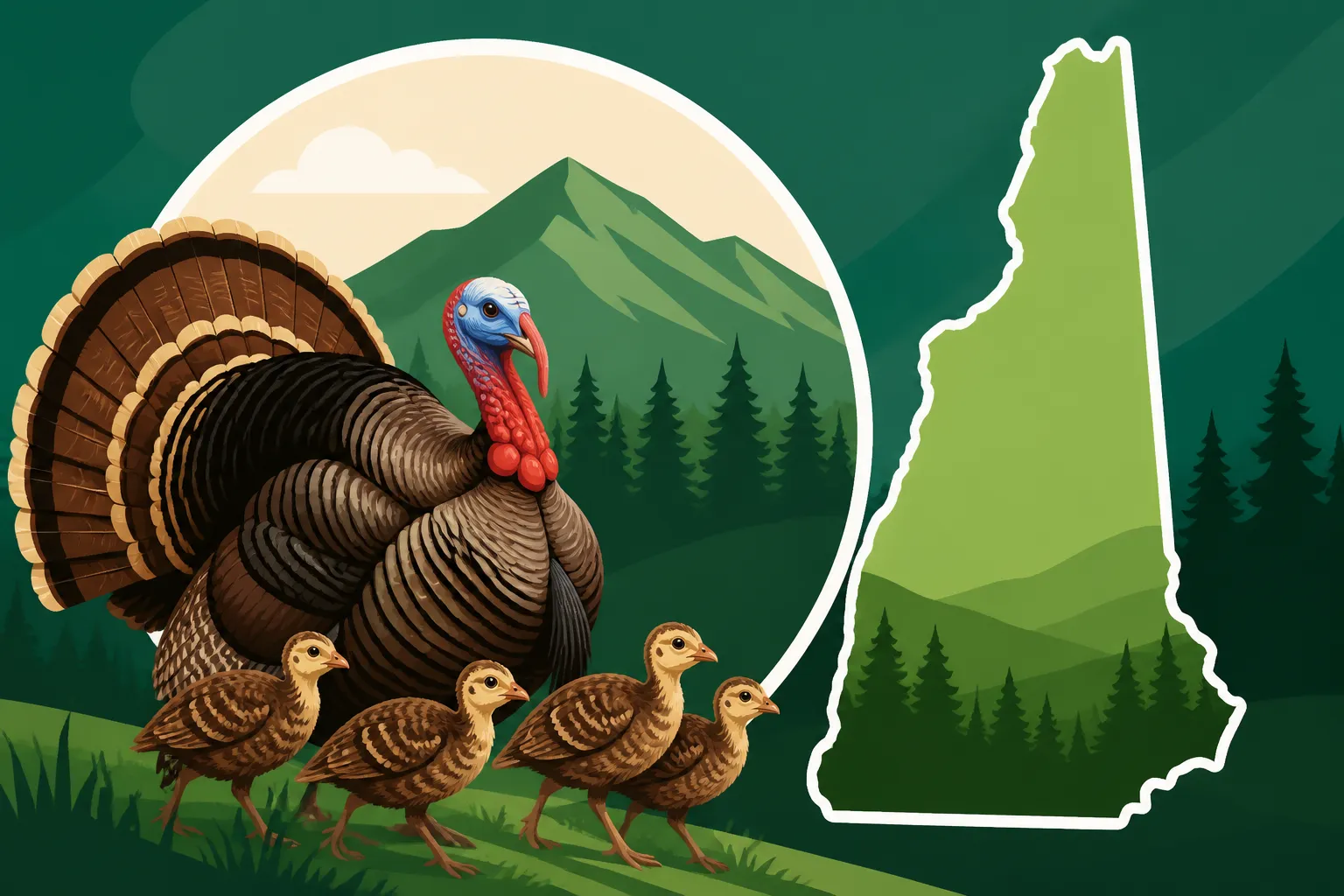
There’s nothing quite like the thrill of chasing a wild turkey in New Hampshire, whether it's the booming gobble of a spring tom or the sharp clucks of a fall flock. But sometimes, you might find yourself scratching your head, wondering why one year seems teeming with birds and the next feels a little thin. This guide is all about shedding light on those mysteries by diving deep into New Hampshire’s turkey brood survey results, helping you understand how these vital reports inform our hunting seasons and what they mean for the future of wild turkeys in the Granite State.
What Are Turkey Brood Surveys and Why Do They Matter So Much?
Before we get into the nitty-gritty of New Hampshire's specific findings, let's talk about what turkey brood surveys actually are and why they're such a big deal for turkey populations. Simply put, a turkey brood survey is a systematic way for wildlife biologists to monitor the reproductive success of wild turkeys. It's not just about counting every single turkey out there; it's specifically focused on how many young turkeys, or "poults," are being produced by hens each year. This is the cornerstone of understanding population health and predicting future hunting opportunities.
Understanding the Lifeblood of a Turkey Population
Imagine a population like a bank account. You need deposits to keep it healthy. For turkeys, those deposits are successful broods. A "brood" refers to a hen and her poults, essentially her family unit for the year. The number of poults that survive and grow determines the strength of the turkey population for the following year and beyond. If hens aren't hatching enough eggs, or if too many poults are dying before they reach maturity, then our turkey numbers are going to suffer down the line. It's a critical indicator of the health and sustainability of Wild Turkeys in New Hampshire. Without these surveys, wildlife managers would be flying blind, making decisions based on guesses rather than solid data.
Predicting Future Hunting Seasons and Managing Expectations
One of the most immediate impacts of brood surveys is their ability to give us a sneak peek into what future hunting seasons might look like. A year with high poult production generally means more birds will be available in the fall, and even more so the following spring when those poults have grown into adult gobblers or hens. Conversely, a poor brood year can lead to fewer birds on the landscape, making for tougher hunting conditions. This isn't just about managing excitement levels; it's about setting appropriate bag limits, season lengths, and even identifying areas that might need a little extra attention from a management perspective. It also helps us understand the New Hampshire Turkey Population Trends on a broader scale, not just season to season, but over decades.
How New Hampshire Conducts Its Turkey Brood Surveys
New Hampshire's approach to turkey brood surveys is a fantastic example of "citizen science" at its best. It relies heavily on the observations of everyday folks — hunters, hikers, birdwatchers, landowners — who are out enjoying our beautiful state. This widespread participation is crucial because wild turkeys are, well, wild, and they cover a lot of ground. Relying solely on Fish and Game personnel would be like trying to count every raindrop in a thunderstorm.
The Role of Citizen Scientists in Data Collection
Every summer, usually from June through August, the New Hampshire Fish and Game Department encourages the public to report observations of wild turkey hens and their broods. This is the prime time because poults are still small and easily distinguishable from adult birds, and they're typically sticking close to their mothers. Observers are asked to report the date, location, number of adult hens, and crucially, the number of poults seen with each hen. This might sound simple, but collecting these snapshots across the state paints a detailed picture. It’s a collective effort that truly makes a difference. You can often submit these observations through online forms or even dedicated apps, making it super accessible for anyone with a smartphone.
What Data Gets Collected and How It’s Used
The core data collected revolves around the "poult-per-hen" ratio. This ratio is considered the golden standard for measuring turkey productivity. It tells us, on average, how many young turkeys each hen successfully reared to a size where they are easily observable. Beyond just the numbers, Fish and Game also considers other factors from these reports, such as the general health of the poults, their approximate age, and specific habitats where broods are frequently sighted. This raw data is then compiled, analyzed, and compared to previous years' data, allowing biologists to identify trends, pinpoint areas of high or low productivity, and understand regional variations across New Hampshire's various WMUs. The more consistent and accurate the reporting, the clearer the picture becomes, which directly influences things like New Hampshire Turkey Season Rules.
Interpreting New Hampshire's Brood Survey Results
Once all those citizen science reports are in, the real work of interpretation begins. It's not just about looking at a single number; it's about understanding the complex interplay of environmental factors that influence a turkey's ability to reproduce and survive, especially during those vulnerable early weeks of a poult's life.
Key Metrics: The Poult-Per-Hen Ratio
The poult-per-hen ratio is the most important metric derived from these surveys. Generally, a ratio of 2.0 poults per hen or higher is considered healthy for a stable or growing population. Anything below that can indicate challenges. For instance, if the average comes back at 1.5 poults per hen, it suggests that hens are either having trouble hatching enough eggs, or more commonly, that a significant number of their young are not surviving past the initial few weeks. This ratio can vary dramatically year-to-year and region-to-region. A cold, wet spring, for example, can be absolutely devastating for newly hatched poults, as they are highly susceptible to hypothermia. Conversely, a warm, dry spring often leads to banner years for turkey reproduction, leading to robust New Hampshire Spring Turkey Harvest Numbers in the future.
Factors Influencing Brood Success
Several environmental factors can significantly impact the success of turkey broods:
- Weather: As mentioned, cold, wet springs are turkey poult killers. They can't regulate their body temperature well when young and damp conditions lead to higher rates of disease and reduced insect availability, which is critical for poult growth. Drought can also be an issue, impacting insect populations and green forage.
- Predation: New Hampshire is home to many turkey predators, from coyotes and foxes to bobcats, raccoons, and even large birds of prey like great horned owls. During the nesting and poult-rearing phases, these predators can take a heavy toll on eggs, hens, and especially young poults. An increase in local predator populations or a decrease in alternative prey species can intensify this pressure.
- Habitat Quality: Good brood habitat is crucial. Hens need dense, protective cover to nest and raise their poults, offering concealment from predators. They also need access to open areas with abundant insects (especially grasshoppers, crickets, and spiders) that poults rely on for protein. Areas with a diverse mix of forest and open fields, often found in New Hampshire's more agricultural and suburban fringe areas, tend to support higher brood success. This is why you often find the highest densities of birds in specific regions; understanding Where New Hampshire Turkeys Are Densest can often be linked back to prime brood-rearing habitat.
- Disease: While not as common as weather or predation, disease outbreaks can also impact poult survival and overall flock health. New Hampshire's CWD-Free Deer Herd is a testament to proactive wildlife management, and similar vigilance applies to other species, though broad-scale turkey disease outbreaks are less frequently cited as primary drivers of poor brood years in New Hampshire.
What Brood Surveys Mean for Your New Hampshire Turkey Hunt
For us hunters, the dry numbers from a brood survey translate directly into real-world implications when we head afield. Understanding these results can help you adjust your strategies, manage your expectations, and even influence where you choose to hunt. This information is gold, whether you're chasing spring gobblers or fall flocks.
Informing Your Scouting and Strategy
If the brood survey indicates a strong poult-per-hen ratio in your preferred Wildlife Management Unit (WMU) or general hunting area, it's a good sign that bird numbers are healthy. This might mean more competition for those gobblers in the spring, but also potentially more responsive birds and larger, more scattered flocks in the fall. Conversely, if results show poor production, you might need to adjust your expectations or broaden your scouting efforts. You might focus more on traditional high-density areas, or on properties known for excellent brooding habitat. Tools like GoHunt can help you visualize this data against specific land features or WMU boundaries, informing your scouting efforts before you even step foot in the woods. Before the season, you might check the New Hampshire Spring Turkey Season Dates or New Hampshire Fall Turkey Season Dates and pair that with the brood survey data to pick your most promising weekends.
For instance, if you know the prior spring was cold and wet, and poult survival was low, you might expect fewer two-year-old gobblers the following spring. In such a scenario, you might want to spend more time Calling a May Gobbler Off the Roost rather than waiting for them to come to you, or focus on areas where brood production was historically more consistent.
Adjusting Tactics for Abundant vs. Scarce Years
In years with excellent brood success, turkeys can be more spread out as there's less pressure on specific food sources or cover. Fall hunters, in particular, might find more success breaking up large family groups and then calling the scattered birds back together, a classic and effective tactic. In leaner years, birds might concentrate more in prime habitat areas, making them harder to approach but potentially more predictable if you can locate those key spots. You might need to be more patient with your calling, or become more mobile in your approach, utilizing tactics like Run-and-Gun Turkey Tactics on Public Land.
When targeting fall birds, especially during Hunting the Shotgun-Only Fall Turkey Week, knowing whether it was a good brood year informs whether you're likely to encounter large, naive flocks of young birds or smaller, savvier groups. A strong brood year means more naive birds, which can be easier to call in. However, if the year was tough for poults, the fall flocks will be smaller and potentially more experienced, requiring a more subtle approach. Using platforms like GoHunt can also give you insights into public land pressure in different WMUs, helping you find those quieter corners even in a banner year.
Long-Term Perspectives and Hunter Responsibility
Beyond immediate hunting strategy, understanding brood survey results gives us a long-term perspective on the health of New Hampshire's wild turkey population. It underscores the importance of habitat conservation and responsible hunting practices. As hunters, we play a crucial role not just in harvesting game, but in contributing to the data that helps manage these magnificent birds. Supporting Fish and Game initiatives and participating in surveys when you can helps ensure that future generations will also have the opportunity to experience the thrill of a New Hampshire turkey hunt.
Remember, every piece of data contributes to the bigger picture. Whether you're considering Decoy Placement for Pressured Spring Birds or trying to understand why your favorite woodlot seems a bit quiet this season, the turkey brood survey results offer invaluable context.
Here's a simplified look at how different factors might correlate with brood success:
| Factor | High Poult-Per-Hen Ratio (Good Brood Year) | Low Poult-Per-Hen Ratio (Poor Brood Year) |
|---|---|---|
| Spring Weather | Warm, relatively dry, abundant insects | Cold, excessively wet, fewer insects |
| Predator Pressure | Stable or lower predator populations | High or increasing predator populations |
| Habitat Quality | Diverse mix of cover and forage | Fragmented, lacking dense cover/food |
| Human Disturbance | Low disturbance during nesting/brooding | High disturbance |
| Food Availability | Abundant insects, berries, mast crops | Scarce insects, limited food sources |
This article is for general informational purposes only and does not constitute professional advice. Laws, prices and regulations vary by location and change over time. Consult a qualified professional for guidance on your specific situation.