Hunting the WMU I1 Merrimack Valley
Many hunters in New Hampshire, myself included, often find ourselves dreaming of the vast timber and remote wilderness of the North Country or the White Mountains when we think of "big game" opportunities. But if you've ever felt that finding quality hunting land closer to home, especially within the more developed corridors like the Merrimack Valley, is a constant struggle, you're certainly not alone. This guide aims to shed light on hunting Wildlife Management Unit (WMU) I1, specifically the Merrimack Valley, proving that incredible experiences and successful hunts are absolutely possible if you understand its unique landscape and adapt your approach.
Understanding WMU I1 and the Merrimack Valley Landscape
When we talk about hunting the Merrimack Valley, we're really diving into WMU I1, a region that's quite distinct from the deep woods you might envision in other parts of New Hampshire. It’s an area where suburban sprawl gracefully (or sometimes awkwardly) intertwines with classic New England farmland, small woodlots, and sprawling river bottoms. This creates a fascinating mosaic of habitat that, while different, holds a surprising amount of game.
Geographic Boundaries and Key Characteristics
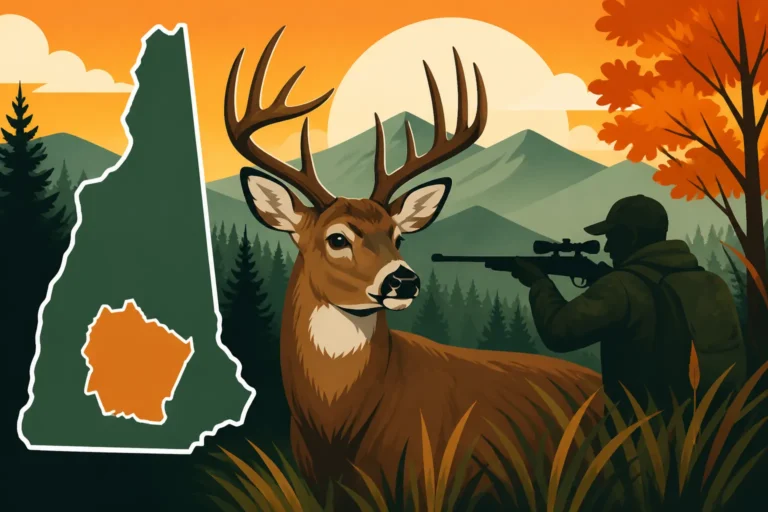
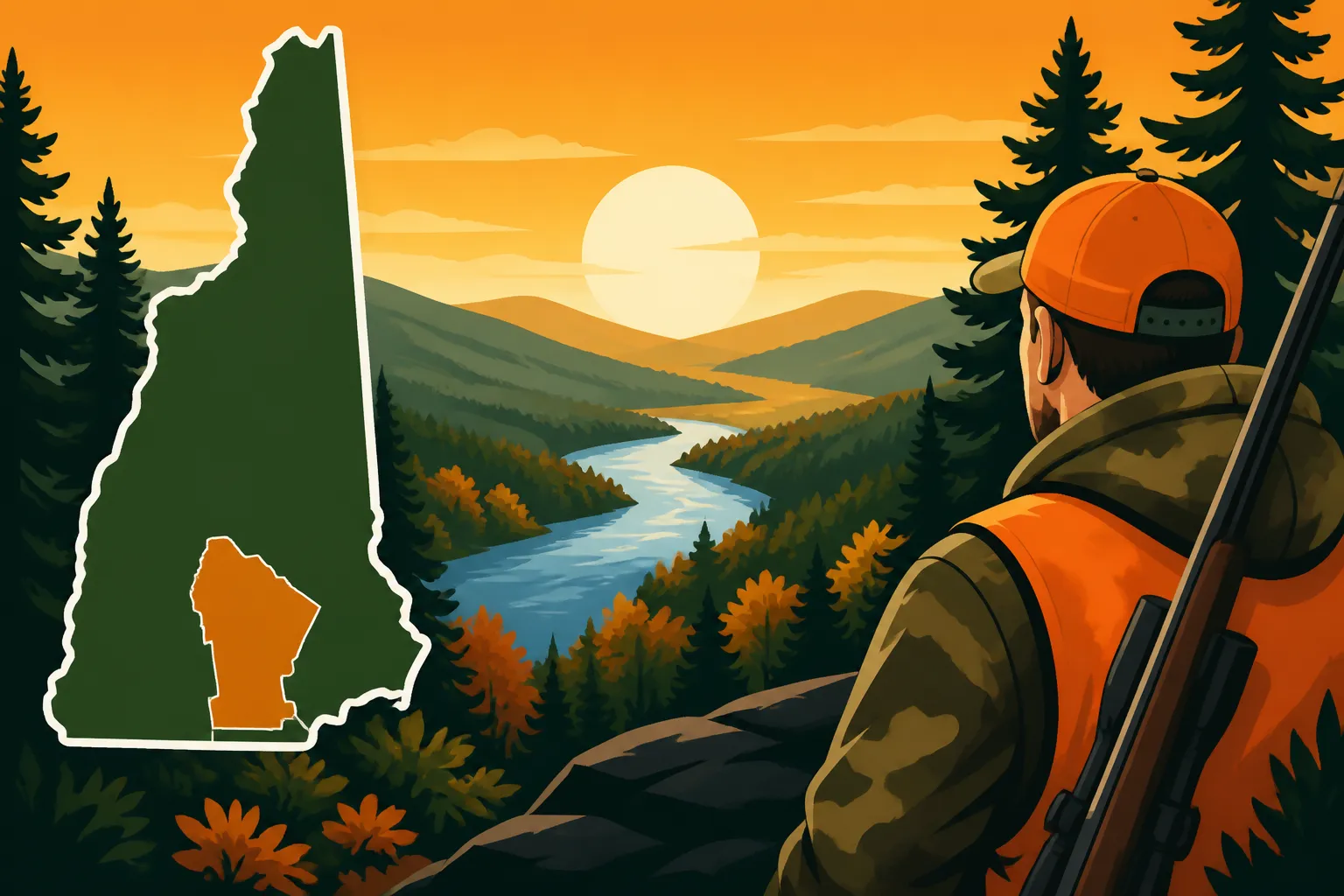
WMU I1 generally covers a significant portion of the Merrimack River watershed in central-southern New Hampshire. Think of areas encompassing towns like Concord, Manchester, Nashua, and their surrounding communities, stretching outwards. It’s not a wilderness unit by any means, but rather a blend of urban fringes, bustling towns, and the quiet pockets of nature that persist between them. The dominant characteristics are often agricultural fields, managed forests (both large and small blocks), wetlands, and the critical riparian corridors along the Merrimack River and its tributaries. It’s a landscape that demands a different kind of scouting and a more adaptable hunter.
You'll find that the terrain here is generally less rugged than in the mountains, with rolling hills and flatter river plains. This means long, steep climbs might be less common, but dense thickets and swampy areas are definitely on the menu, especially as you get closer to water sources. Understanding these specific local characteristics is the first step to unlocking its potential.
Dominant Habitat Types and Their Influence on Game
The habitat mix in WMU I1 is a true "something for everyone" situation, particularly if you're targeting white-tailed deer. You'll encounter sprawling agricultural fields—think corn, hay, and soy—that provide crucial food sources, especially in late season. These fields are often bordered by brushy fencerows, small woodlots, and wetlands, creating perfect travel corridors and bedding areas. It's not uncommon to find deer bedding down in dense stands of pines or cedars that offer thermal cover, especially during cold snaps. Hardwood ridges with oak and beech provide mast crops when they're producing, drawing deer in during the early and mid-fall.
Beyond the agricultural zones, there are significant areas of mixed hardwoods and softwoods. These patches, even if seemingly small, can be incredibly productive, acting as sanctuaries for deer pressured by human activity. Rivers and streams, particularly the Merrimack itself, create distinct riparian habitats rich in vegetation and often inaccessible enough to provide refuge. Waterfowl, for example, thrive in these wetland and riverine environments. This diverse habitat structure means that game animals, particularly deer, often have excellent food, water, and cover all within a relatively small area, which can work to your advantage if you know where to look. For a broader look at deer throughout the state, check out White-Tailed Deer Across New Hampshire.
Deer Population Dynamics and Management in the Region
The Merrimack Valley, despite its population density, consistently supports a healthy deer herd. In fact, many southern WMUs can boast higher deer densities than some of the more remote northern units, simply because of the abundance of diverse food sources provided by agriculture and suburban landscaping. While individual deer might not reach the massive body weights seen in the North Country, the sheer numbers can make for excellent hunting opportunities.
New Hampshire Fish and Game manages these populations carefully, often balancing hunter opportunity with reducing deer-vehicle collisions and nuisance complaints in more populated areas. This sometimes means more flexibility in antlerless tags or specific season structures to help manage the herd. Understanding these dynamics is crucial for success. For instance, sometimes a specific WMU will have differing rules or seasons to help manage its specific population, so always check the latest digest for New Hampshire's WMU-Based Deer Season Structure. The deer here are often accustomed to human presence, meaning they can be incredibly wary, relying on thick cover and nocturnal movement, but they are there.
Strategies for Deer Hunting in the Merrimack Valley
Hunting in WMU I1 isn't about covering miles of unbroken forest. It's about precision, patience, and adapting to a landscape where deer and people coexist in close proximity. This often means focusing on smaller parcels, exploiting natural funnels, and being mindful of your surroundings.
Unlocking Public Land Opportunities
While vast tracts of public land might be scarcer than in the White Mountains, WMU I1 still offers valuable opportunities. New Hampshire Fish and Game manages several Wildlife Management Areas (WMAs) in or near the Merrimack Valley that provide public hunting access. These WMAs are often managed specifically for wildlife habitat, meaning they can be prime locations for deer, turkey, and small game. It’s worth the time to thoroughly research these areas, even if they appear small on a map. Many state forests and even some town forests also permit hunting.
The key to public land in this region is often getting away from easy access points. Many hunters stick to the edges or visible trails. By venturing just a little deeper into the thickets, wetlands, or less-traveled corners, you can often find untouched pockets where deer feel secure. Using digital mapping tools like onX Hunt is absolutely invaluable here. You can identify property boundaries, see different habitat types, and even mark potential stand locations, all from your phone. This helps you avoid accidental trespass and maximize your time in productive areas. Before you head out, make sure you understand the rules for Public Hunting Land in New Hampshire.
The Art of Gaining Private Land Access
In the Merrimack Valley, private land accounts for a significant portion of huntable habitat, and gaining permission can be your golden ticket to consistent success. Many landowners, especially those with agricultural fields or woodlots bordering development, are open to hunters who are respectful, responsible, and professional. The trick is to ask politely, well in advance of the season, and build a relationship.
Start by identifying properties that look promising from satellite imagery—woodlots bordering fields, unkempt areas, or sections with obvious deer sign like trails or rubs. Knock on doors, introduce yourself, and explain your intentions. Offer to help with chores, share some venison, or simply check in occasionally. Being a good steward of their land is paramount. Remember, you're not just asking to hunt, you're building trust. Many local hunters swear by small private tracts for consistent success because deer often seek refuge there from pressure on larger public blocks. You can learn more about this approach by reading Hunting Small Private Tracts in New Hampshire.
Tactics for Hunting Merrimack Valley Whitetails
Deer in WMU I1 are smart, often moving predominantly at dawn, dusk, and under the cover of darkness. They learn quickly from pressure. This means your tactics need to be precise and low-impact.
- Scouting is Paramount: Forget driving around looking for big bucks in fields. Instead, focus on finding pinch points, thick cover, and transition zones between food and bedding. Look for rub lines along a logging road or distinct scrape lines that indicate buck activity. Use aerial maps on apps like GoHunt to identify small timbered fence lines, brushy ditch bottoms, or narrow strips of woods that connect larger blocks. These are classic "funnels" that deer will use to travel with minimal exposure. Hunting a Funnel Between Two Woodlots is a great resource to get you thinking about these specific terrain features.
- Stand Placement: Treestands or ground blinds strategically placed along these funnels, edges of thick cover, or near late-season food sources like standing corn or apple orchards can be highly effective. Pay close attention to wind direction, thermals, and your entry and exit routes to minimize disturbance. Deer here are highly sensitive to human scent and noise.
- Patience and Persistence: These deer aren't going to just walk out into the open. You might have to sit longer, be quieter, and potentially move less frequently. Consider still-hunting through thickets or using a slow, methodical approach in areas you know hold deer.
- Late Season Opportunities: Once the firearms season cools down, the bowhunting season often extends into December. These later dates can be fantastic, as deer are often concentrated around remaining food sources.
Beyond Deer: Other Hunting Opportunities
While deer often steal the spotlight, WMU I1 and the Merrimack Valley offer a wealth of other hunting opportunities that are often overlooked. Diversifying your pursuits can lead to more time afield and different kinds of rewarding experiences.
Pursuing Wild Turkeys in WMU I1
The Merrimack Valley boasts a thriving wild turkey population. These birds are abundant in agricultural areas, woodlots, and along river corridors. Both spring and fall seasons offer excellent hunting. Spring turkey hunting is a popular endeavor, where calling a gobbler off the roost can be an exhilarating experience. The patchwork of fields and woods provides ideal habitat, with plenty of roosting trees and open areas for strutting.
Fall turkey hunting in this region can be equally productive, especially if you enjoy still-hunting or using scatter tactics to break up a flock and then call them back in. Just like with deer, understanding the local food sources—mast crops in the woods, waste grain in fields—is crucial for locating birds. The challenge, and the fun, comes from adapting your calling and ambush techniques to birds that are used to living near people. To better understand the species, consider learning more about Wild Turkeys in New Hampshire.
Small Game and Predator Hunting
Don't discount the smaller game animals in WMU I1. Squirrels, rabbits, and snowshoe hare can provide exciting hunts, especially for new hunters or those looking to extend their time in the woods. Squirrels are plentiful in mature hardwood forests, while rabbits and hare will stick to dense brush and thickets. These hunts are a fantastic way to sharpen your woodsmanship skills and enjoy a fast-paced outing.
Coyotes are also present in significant numbers throughout the Merrimack Valley. These intelligent predators provide a challenging hunt and are often active around agricultural areas where they prey on rodents and deer. Predator calling can be very effective, especially during the colder months when food sources are scarcer. Hunting coyotes not only provides a thrilling experience but also can contribute to healthier local deer and turkey populations by reducing predation pressure. For more on these animals, refer to Coyotes and Predators in New Hampshire.
Waterfowl Prospects in the River Bottoms
The Merrimack River and its various tributaries, along with associated wetlands and beaver flowages, create prime habitat for waterfowl. Ducks, especially mallards, wood ducks, and geese, frequent these waterways, offering exciting opportunities for jump-shooting or decoy setups. The proximity to residential areas might mean fewer wide-open spaces, but savvy hunters can find hidden pockets and stretches of river that hold birds.
Scouting these river bottomlands is critical. Look for areas with minimal disturbance, abundant aquatic vegetation, and signs of recent bird activity. Setting up a small spread of decoys in a quiet backwater or ambushing birds along a flyway can be incredibly rewarding. Just be sure to be extra mindful of safe shooting distances from homes and roads.
Navigating Regulations and Ethical Considerations
Hunting in a more developed region like the Merrimack Valley comes with specific responsibilities and regulatory nuances. Being a good ambassador for hunting is more important than ever here, as public perception is keenly felt.
Key Regulations for WMU I1 Hunters
Always, always consult the current New Hampshire Fish and Game hunting digest before heading afield. Regulations can change, and WMU-specific rules are common. Pay particular attention to:
- Season Dates and Bag Limits: These can vary slightly by WMU for certain species or methods.
- Blaze Orange Requirements: Ensure you meet the minimum visibility requirements, especially during firearms seasons.
- Discharge Setbacks: New Hampshire has strict rules about how close you can discharge a firearm to a dwelling, which is especially pertinent in the Merrimack Valley with its scattered homes.
- Permission Slips: Even if not legally required in all cases, carrying written permission for private land hunting is always a good idea and demonstrates respect.
Here's a quick look at some general rules that apply, but always check the official digest for the most current information:
| Aspect | General Guideline (WMU I1 Considerations) |
|---|---|
| Deer Season | Archery, Muzzleloader, and Firearms seasons are all active, specific dates vary. |
| Bag Limits (Deer) | Typically one deer per license, bonus antlerless tags may be available. |
| Blaze Orange | Required during firearms season for deer, moose, and bear. |
| Firearms Discharge | Strict setback rules from occupied dwellings. Essential to know your distance. |
| Private Land | Written permission strongly recommended, often required for posted land. |
| Turkey Seasons | Both spring (gobblers) and fall (either sex) seasons are usually offered. |
Always ensure your hunting license is current and that you've purchased any necessary permits or tags for the species you intend to hunt. Check New Hampshire Hunting Licenses and What They Cost for details.
Respecting Landowners and Non-Hunters
In a region with higher population density, encounters with non-hunters and landowners are inevitable. How you conduct yourself can profoundly impact the future of hunting access.
- Be Visible and Polite: If you’re walking near a road or developed area, dress in visible clothing, even outside of blaze orange requirements. A friendly wave and a smile go a long way.
- Clean Up After Yourself: Leave no trace. Pick up spent shell casings, remove all trash, and ensure any temporary blinds or stand setups are completely removed at season's end.
- Communicate Clearly: If you have permission on private land, ensure you understand the landowner's specific wishes: where they want you to park, which areas are off-limits, and when you plan to be there. Inform them when you've harvested an animal.
- Know Property Lines: This cannot be stressed enough. Utilize mapping tools like onX Hunt to precisely know where you are. Unintentional trespass is a major cause of friction and can quickly lead to hunting access being revoked for everyone. Getting a precise read on property boundaries is a must, and using layers to find New Hampshire Property Lines is a huge asset.
Embracing the "Local" Hunter Mindset
Hunting the Merrimack Valley isn't about replicating a remote wilderness experience; it's about embracing the unique challenges and opportunities of a more integrated landscape. This means becoming a "local" hunter in the truest sense. Get to know the area, not just from maps, but by walking it, observing animal movements, and understanding human patterns. The more familiar you become with the ebb and flow of the valley, the better you'll understand how and where the game moves.
Think of it as a chess match, where you're constantly adapting to changing conditions and animal behavior. The deer, turkeys, and other game here are not easy targets, but their presence and the challenge they present make a successful hunt in the Merrimack Valley incredibly rewarding. It shows true skill and adaptability, and that, my friends, is what hunting is all about.
Disclaimer
This article is for general informational purposes only and does not constitute professional advice. Laws, prices and regulations vary by location and change over time. Consult a qualified professional for guidance on your specific situation.