Hunting the Androscoggin River Valley
Hunting in a river valley like the Androscoggin can be incredibly rewarding, offering a diverse array of game species and unique challenges. But let's be honest, figuring out the best approaches and where you can even go can feel like trying to solve a puzzle with half the pieces missing. This guide is here to break down the ins and outs of hunting the Androscoggin River Valley, helping you understand its distinct landscape, what to expect, and how to maximize your time in this beautiful corner of New Hampshire.
Understanding the Androscoggin River Valley Landscape for Hunters
The Androscoggin River Valley isn't just a line on a map; it's a dynamic ecosystem that shapes how game moves and where hunters find success. For those of us who appreciate the Granite State's wild places, it offers a distinct flavor of hunting compared to the higher peaks or the sprawling southern farmlands. It’s a place where the flow of water dictates much of the habitat, leading to specific concentrations of wildlife.
Geographic Features and Habitat Types
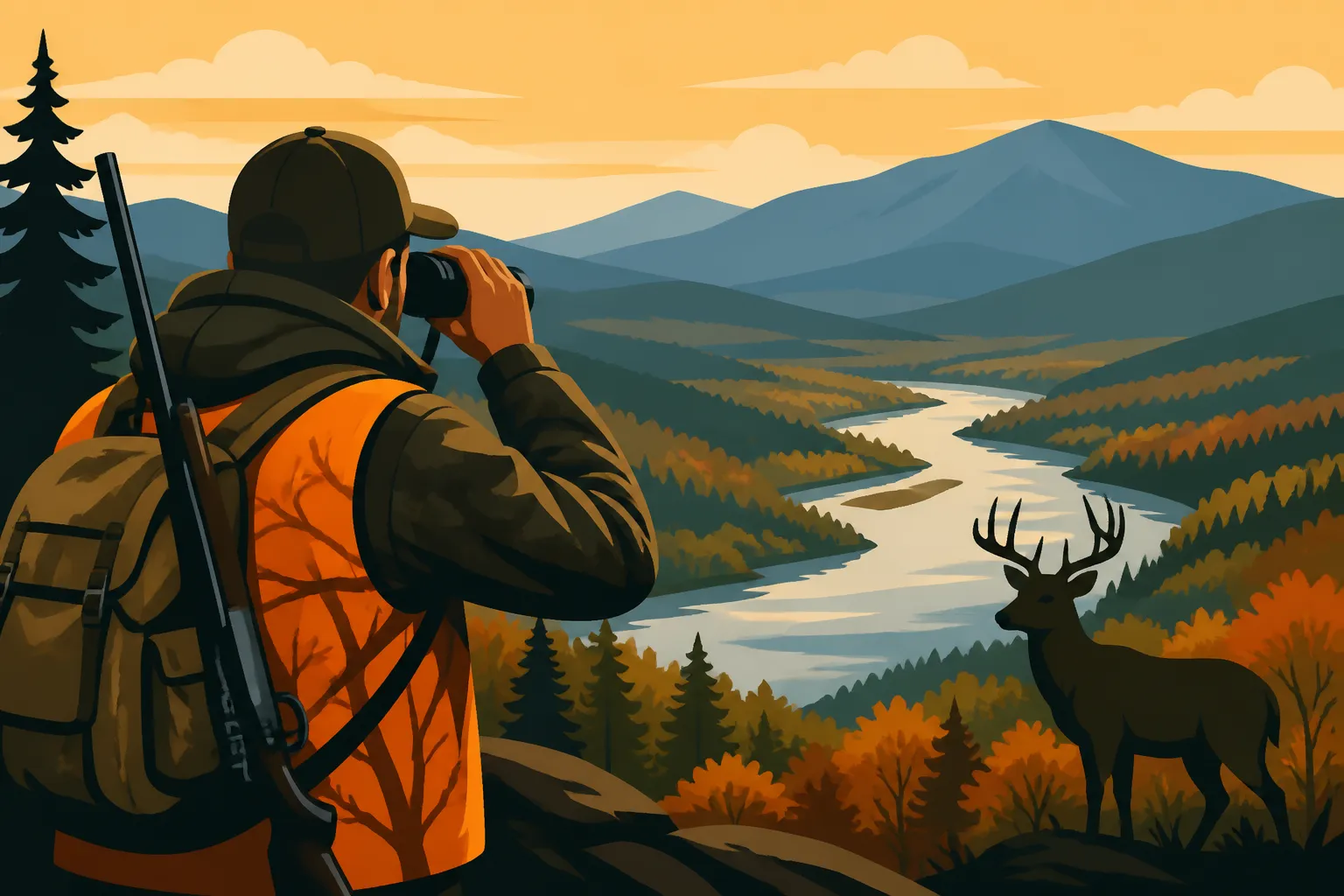
Picture the Androscoggin River carving its way through New Hampshire's North Country, often flanked by steep, timbered hillsides that quickly rise from the valley floor. This creates a fascinating mix of habitat. Right along the riverbanks, you'll find riparian zones – wet, often dense areas of alders, willows, and other water-loving vegetation. These areas can be incredibly thick, providing excellent cover and browse for deer and moose, and critical nesting or resting spots for waterfowl.
As you move away from the immediate river corridor, the terrain typically transitions to mixed hardwoods and softwoods. You'll encounter sprawling stands of maple, birch, and oak on the higher ground, interspersed with dark, dense pockets of spruce and fir in the cooler, damper ravines and north-facing slopes. These diverse forest types support different food sources, from acorns and beechnuts on the ridges to tender browse in the regenerating clear-cuts or blowdowns. Understanding these transitions is key to knowing where to focus your efforts. A patch of old growth might hold less deer density, but a recent timber harvest could be an absolute magnet for whitetails seeking fresh forage. The sheer ruggedness of some of these areas means that while the hunting can be tough, the rewards for those willing to put in the effort can be significant.
Game Species Prevalence and Movement Patterns
The Androscoggin River Valley is truly a multi-species hunter's paradise, but knowing which species are where, and when, is critical. White-tailed deer are present throughout, but their patterns are often tied to the river's influence. During the rut, bucks might cruise the river edges, using them as natural travel corridors, or cross the river itself to access different bedding and feeding areas. During late season, when snow piles up, deer often seek thermal cover in the dense conifers closer to the valley floor or in traditional deer yards found on south-facing slopes. For a deeper dive into deer behavior across the state, consider reading White-Tailed Deer Across New Hampshire.
Moose are also a significant presence, especially in the more northern and eastern stretches of the valley where the habitat transitions into classic North Country terrain. They favor the wetter, boggy areas along the river, as well as the regenerating clear-cuts on the surrounding hillsides where browse is abundant. Knowing how to identify fresh moose sign, from large tracks in the mud to browsed saplings, is essential. Black bears thrive in this environment too, often frequenting the dense cover of the valley for berries and other forage, and then retreating to the security of the higher, thicker woods to den or escape pressure. Their movements are often dictated by food availability, so knowing where the mast crops are abundant, or where berry patches might be ripe, can put you on their trail. Waterfowl, particularly ducks and geese, utilize the river itself, especially during migration, but also the numerous oxbows, backwaters, and smaller tributaries that feed into it. New Hampshire Waterfowl on the Atlantic Flyway provides a broader context for bird migrations that impact this region.
Public vs. Private Land Access Challenges
One of the biggest hurdles for hunters in any region, and certainly in the Androscoggin Valley, is figuring out where you can legally hunt. Much of the land in and around the valley is private, owned by timber companies, private individuals, or smaller landowners. This means permission is often required. Don't be shy about Asking a New Hampshire Landowner for Permission; a polite knock on the door can open up incredible opportunities.
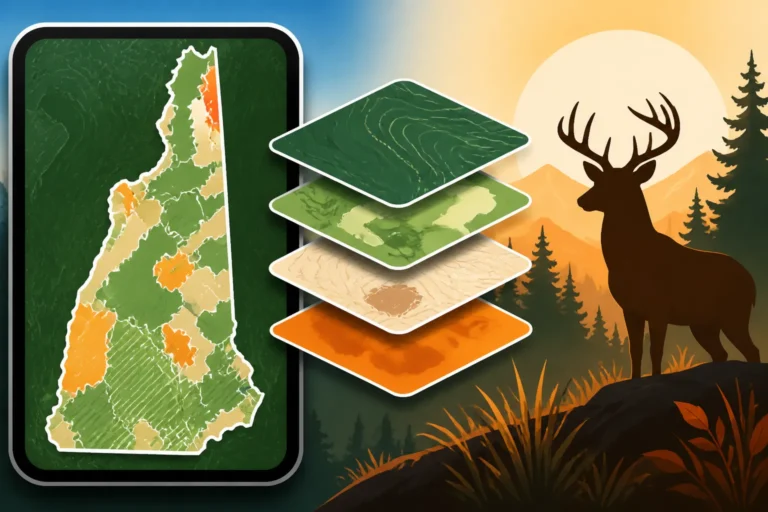
However, there are also significant tracts of public land. The White Mountain National Forest, while not exclusively in the valley, certainly abuts and influences large portions of it, especially as you move west. State forests and some Wildlife Management Areas (WMAs) may also offer access points. Using mapping apps like onX Hunt becomes absolutely invaluable here. With onX Hunt, you can overlay public and private land boundaries right on your phone, even when you're deep in the woods without cell service, if you've downloaded the maps ahead of time. This helps you identify hunting zones and avoid accidental trespass. Always double-check regulations for specific WMUs or federal lands, as rules can vary regarding things like Treestand Rules on New Hampshire Public Land or baiting.
Strategic Approaches for Different Game in the Valley
Hunting the Androscoggin River Valley isn't a one-size-fits-all endeavor. The strategies you employ will largely depend on the game you're pursuing and the specific features of the landscape you're targeting. Adaptability and understanding animal behavior are your best assets here.
Deer Hunting Tactics Along the River
When it comes to deer, the river acts as a major natural feature, either as a barrier, a travel corridor, or a source of unique habitat. During the archery season, particularly Hunting New Hampshire's Archery Season Into December, focusing on the thick cover of the riparian zones can be highly effective. Bucks often rub and scrape along these edges, and the dense vegetation offers a sense of security. Look for pinch points where deer are forced to travel a narrow strip between the river and a steep bank, or where they cross to access fields or bedding areas on the other side. Setting up a ground blind or a well-brushed treestand in these locations, especially near a visible Scrape Lines Along a Logging Road, can yield results.
During the firearms season, which often coincides with Hunting the Rut in Early-to-Mid November, scouting for river crossings becomes even more critical. Bucks will be actively seeking does, and they'll use these natural bridges or shallow spots to expand their range. Don't overlook the higher, hardwood ridges surrounding the valley either. While deer might be along the river at certain times, the ridges offer mast crops and different thermal cover. Reading Aerial Photos for North Country Deer can help identify these potential travel corridors and feeding areas well before you set foot in the woods. Pay attention to wind and thermals, especially in the undulating terrain around the river, as they can swirl unpredictably, giving away your position.
Waterfowl Opportunities in the Androscoggin's Wetlands
For waterfowl hunters, the Androscoggin River offers diverse opportunities, especially if you know where to look beyond the main channel. While you can certainly find ducks and geese on the wide-open stretches, the real gems are often the smaller oxbows, backwaters, and marshy inlets. These quiet pockets provide ideal resting and feeding areas, especially when the main river is bustling or frozen. Decoying tactics similar to those used on the Connecticut River, such as described in Decoying Ducks on New Hampshire's Connecticut River, can be adapted here. A spread of mallard and black duck decoys in a quiet slough at first light, combined with some effective calling, can be incredibly productive.
Jump-shooting the smaller tributaries or beaver flowages that feed into the Androscoggin can also be an exciting way to hunt. Walk quietly along the banks, being mindful of wind direction and cover, and be ready to shoulder your shotgun quickly when birds flush. Remember to always use waders suitable for the often-muddy and uneven terrain you'll encounter. Always be aware of the New Hampshire Waterfowl Season and Zones as dates and bag limits can vary.
Bear and Moose Hunting in the Surrounding Uplands
While deer and waterfowl might occupy the immediate river corridor, bear and moose often push into the more rugged uplands and expansive timberlands surrounding the valley. For bear hunters, the dense conifer stands and areas with abundant berry bushes are prime territory. If baiting is your method, remember that Baiting New Hampshire Bears Legally by WMU requires careful planning and adherence to regulations specific to your Wildlife Management Unit. Scouting for fresh sign like scat, rubbed trees, or overturned rocks indicating feeding activity is crucial. Bears are incredibly smart, and targeting areas with natural food sources is often more productive than relying solely on bait.
Moose, particularly in the more remote reaches of the Androscoggin's watershed, will utilize the valley's mix of wetland and upland habitats. They often frequent the swampy edges of the river, especially in late summer and early fall, but will also move into the regenerating clear-cuts on the hillsides to browse. Hunting a New Hampshire North Country Moose Bog can provide insights into targeting these magnificent animals in similar environments. If you're fortunate enough to draw a New Hampshire Moose Permit Lottery tag, spend ample time scouting. Look for large tracks, browsed saplings, and disturbed ground. Calling a bull moose, especially in late October, can be a thrilling experience, drawing them out of dense cover. However, a moose hunt is an arduous undertaking, and preparation for Packing Out a New Hampshire Moose is just as important as the hunt itself.
Navigating Access and Regulations in the Androscoggin Corridor
Successful hunting in the Androscoggin River Valley isn't just about understanding the game; it's also about understanding the rules and finding legal, ethical access. New Hampshire has specific regulations that apply to different areas, and being prepared means having the right information at your fingertips.
Interpreting WMU Boundaries and Local Rules
New Hampshire operates under a Wildlife Management Unit (WMU) system, and the Androscoggin River Valley spans several of these, depending on where you are along its course. Each WMU can have slightly different regulations regarding season dates, bag limits, and even allowable hunting methods. For example, some WMUs have specific rules for New Hampshire Bear Season Dates by WMU, or nuances for New Hampshire's WMU-Based Deer Season Structure. It's absolutely critical to know which WMU you're in and to check the current New Hampshire Fish and Game Digest before heading out.
Beyond WMU regulations, local rules can sometimes apply. For instance, some towns may have ordinances regarding firearms discharge setbacks from roads or dwellings. While these are usually clearly posted, it's always wise to be aware of the local context. Public land, whether it's National Forest or a state WMA, will also have its own set of rules concerning camping, vehicle access, and even the use of trail cameras. Being informed prevents unintended violations and ensures a positive experience for everyone.
Utilizing Mapping Tools for Access and Planning
In a mixed-ownership area like the Androscoggin River Valley, mapping tools are your best friend. Gone are the days of relying solely on paper maps, though a good topo map is still an excellent backup. Modern digital platforms, such as onX Hunt or GoHunt, are indispensable. With onX Hunt, you can instantly see property lines, landowner names, and clearly marked public land boundaries, often color-coded for easy identification. This is crucial for navigating checkerboard ownership and ensuring you're not trespassing. You can also view satellite imagery, topo lines, and mark waypoints for stands, game sign, or potential access points. The ability to download maps for offline use is a game-changer when you're in remote sections of the valley where cell service is nonexistent.
For broader planning, GoHunt can be a valuable resource, helping hunters research various areas, analyze harvest data (where available), and stay informed about regulation changes. While I always recommend verifying current regulations directly with the New Hampshire Fish and Game Department, these platforms can give you an excellent starting point for your research and help you identify potential areas to scout. Understanding the terrain, like identifying potential Hunting a Funnel Between Two Woodlots or predicting Wind and Thermals in Steep Granite Terrain, becomes much easier with these tools.
Ethical Hunting and Respecting Local Communities
Hunting in the Androscoggin River Valley, like anywhere else, comes with a responsibility to hunt ethically and respect both the land and its people. This means following all regulations, practicing fair chase, and leaving no trace. If you're on private land with permission, be an exemplary guest – leave gates as you found them, don't litter, and thank the landowner for the opportunity. Positive relationships between hunters and landowners are vital for maintaining access.
The communities within the Androscoggin Valley often have a deep connection to their wild surroundings. Be mindful of their concerns, especially near populated areas. Ensure your blaze orange is visible during the appropriate seasons, and always consider safety first. When traveling through small towns, be respectful of local customs and businesses. Supporting local shops and eateries while you're in the area not only makes your trip more enjoyable but also helps foster a positive image of hunters within these communities. Remember, we are all ambassadors for hunting, and our actions reflect on the entire hunting community.
| Game Species | Preferred Valley Habitat | Key Hunting Tactic | Primary Season |
|---|---|---|---|
| White-tailed Deer | Riparian zones, hardwood ridges, regenerating clear-cuts | Still-hunting thick cover, stand hunting pinch points & crossings, rattling | Archery, Firearms, Muzzleloader |
| Moose | Beaver flowages, boggy river edges, clear-cuts with abundant browse | Scouting for fresh sign, calling from dense cover, still-hunting new growth | Lottery (limited permits) |
| Black Bear | Dense conifer thickets, berry patches, hard mast stands (oaks, beechnuts) | Scouting for food sources, baiting (where legal), still-hunting heavy cover | Bait, Hound, Still-hunting |
| Waterfowl | Oxbows, backwaters, quiet inlets, river bends | Decoying in quiet waters, jump-shooting tributaries, pass-shooting main river | Duck & Goose seasons |
Disclaimer
This article is for general informational purposes only and does not constitute professional advice. Laws, prices and regulations vary by location and change over time. Consult a qualified professional for guidance on your specific situation.