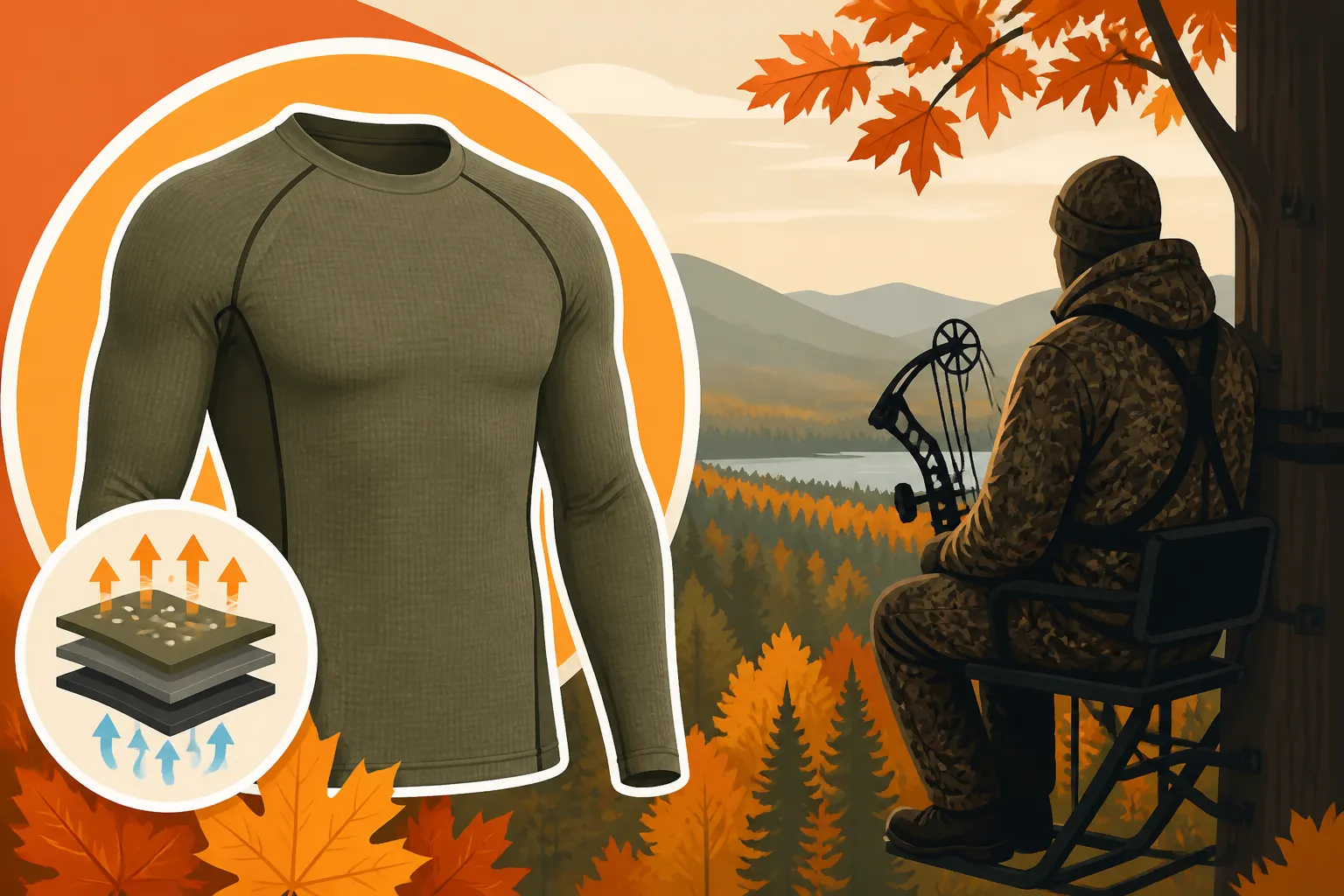
Best Base Layer for a September Archery Sit
There's nothing quite like that crisp New Hampshire morning in September, the air cool and damp as you make your way to your stand, bow in hand. But we all know that feeling, don't we? You start your hike in the predawn chill, and by the time you're settled, the sun is peeking over the eastern ridgeline, suddenly it's 60 degrees, and you're sweating bullets in your "cold weather" gear. This guide is all about tackling that common frustration, helping you understand how to choose the best base layer to keep you comfortable, dry, and scent-controlled during those unpredictable early archery season sits in the Granite State.
The September Archery Challenge in New Hampshire
September in New Hampshire is a beautiful, but often tricky, time to be in the woods, especially for bowhunters. The whitetail woods are still largely green, insects can still be an annoyance, and most importantly, the weather can swing wildly from one hour to the next. This presents a unique challenge when it comes to deciding what to wear, specifically what to put closest to your skin.
Why September is Tricky for Layering
Think about a typical September archery morning. You might leave your truck when it's still dark, the temperature possibly in the low 40s or 50s. You've got a decent walk ahead of you, maybe a climb up a Granite Ridge Saddle to your favorite stand location. All that physical exertion generates heat, and you start to perspire. Your body is trying to cool itself down, and that's a good thing, unless that sweat has nowhere to go.
The problem arises when that initial burst of activity gives way to sitting motionless for hours. As the sun climbs higher, the air warms up, often reaching the 60s or even 70s by late morning. If your clothing isn't designed to handle these fluctuations, that sweat you built up on the walk in now cools on your skin, turning into a chilling sensation. You went from too hot to too cold, all because your base layer couldn't keep up with your body's demands and the changing environment. It’s a common pitfall that can ruin an otherwise perfect sit.
The Sweat Management Imperative
This isn't just about comfort; it's profoundly about scent control. Sweat carries your unique human odor, and in the world of whitetail hunting, that's public enemy number one. If your base layer absorbs sweat and holds onto it, that scent is amplified, creating a detectable plume that deer can pick up from a surprising distance. Even if you've done everything else right – Scouting New Hampshire Public Land Before Season, setting up in a smart location, playing the wind – a poor base layer can give you away in an instant.
Effective sweat management means choosing a base layer that actively moves moisture away from your skin and allows it to evaporate from the fabric. This process not only keeps you drier and more comfortable but also significantly reduces the odor-causing bacteria's ability to thrive. You want to feel like your skin is breathing, even when you're exerting yourself, because that's what keeps you in the game longer, especially when you're focused on Bowhunting New Hampshire's Long Archery Season.
Key Characteristics of a Great September Base Layer
When you're out there, whether you're hanging a stand, still-hunting, or just walking in before the sun, your base layer is your first line of defense against the elements and your body's own thermostat. It's not just another shirt; it's the foundation of your entire layering system.
Moisture-Wicking Power
The absolute top priority for any September base layer is its ability to wick moisture. This isn't just about absorbing sweat; it's about transferring it. Think of it like tiny channels drawing sweat off your skin and pushing it to the outer surface of the fabric, where it can then evaporate. This keeps your skin dry, which in turn keeps you warm when it's cool and cool when it's warm. Without good wicking properties, that sweat just sits there, making you clammy and eventually chilled once you stop moving.
The weave and fiber structure of the fabric are what make this magic happen. Some materials are naturally more hydrophilic (water-loving) on one side and hydrophobic (water-repelling) on the other, creating a capillary action that pulls moisture away. This technology is crucial because it ensures that even if you're working up a good sweat on your way to set up for a hunt, by the time you're sitting still, your base layer has already started the drying process, preventing that miserable post-exertion chill.
Breathability and Ventilation
Hand-in-hand with wicking is breathability. A highly breathable fabric allows air to circulate, aiding in the evaporation process and helping your body regulate its temperature. In early season New Hampshire, where temperatures can fluctuate rapidly, this is paramount. You need a base layer that can breathe during the warmer parts of the day, preventing you from overheating, but also retain some warmth when the mercury drops again in the evening.
Ventilation features, like mesh panels strategically placed in high-sweat areas (think armpits, back, and chest), can further enhance this. These aren't always present in all base layers, but for a particularly active hunt or if you know you'll be covering a lot of ground, they can make a significant difference. The goal is to avoid that trapped, stuffy feeling that often leads to excessive sweating in the first place. You want to feel airy and unencumbered, ready for whatever the woods throw at you.
Scent Control And Why it Matters Early Season
Let's be real, no amount of specialized hunting gear will make you truly "scent-free." However, a good base layer with built-in scent control technology can significantly reduce your odor profile, making you far less detectable to whitetails. Scent control in base layers usually comes in two forms: antimicrobial treatments that inhibit the growth of odor-causing bacteria, or materials like merino wool that are naturally resistant to odor.
Early season is often warmer, meaning you'll sweat more, and that sweat creates a prime breeding ground for bacteria. If your base layer quickly starts to stink after a single wear, it’s not doing its job. A quality base layer will keep you feeling fresher for longer, which means you can stay on stand for extended periods without worrying about your scent becoming a major liability. Many reputable hunting brands, often found through resources like GoHunt, emphasize this critical feature in their early-season apparel. This attention to detail can make the difference between a close encounter and a deer blowing out of the timber.
Comfort and Fit
Finally, comfort and fit are often overlooked but incredibly important. Your base layer is literally touching your skin all day, so it needs to feel good. Look for soft fabrics, flat seams that won't chafe, and a fit that's snug enough to wick moisture effectively but not so tight that it restricts your movement. You'll be drawing a bow, maybe climbing into a treestand, or Using a Ground Blind on Public Land, so your clothing shouldn't hinder you.
A comfortable base layer will feature a four-way stretch, allowing for a full range of motion without bunching or pulling. A close-to-skin fit is essential for the wicking process to work optimally, as it creates direct contact for moisture transfer. If your base layer is too loose, it won't be able to pull sweat away from your skin efficiently. When you're thinking about a multi-hour sit, potentially moving to retrieve game after a successful shot, you want clothing that feels like a second skin, almost unnoticeable, allowing you to focus purely on the hunt.
Common Base Layer Materials: Pros and Cons for Early Season
When you're trying to decide what to wear for those variable September hunts in New Hampshire, the material of your base layer is arguably the most critical decision. Each fabric comes with its own set of advantages and disadvantages, especially concerning warmth, moisture management, and scent control.
Merino Wool: The All-Around Champion
If there's one material that consistently gets high marks for early season hunting, it's merino wool. Unlike traditional, scratchy wool, merino is incredibly fine, soft, and comfortable directly against the skin. Its natural properties make it a standout performer. Merino wool excels at wicking moisture away from your body, but even when damp, it retains a remarkable amount of warmth. This is a huge benefit when you're transitioning from an active walk-in to a motionless sit.
Perhaps its biggest selling point for hunters is its natural odor resistance. Merino fibers have a complex structure that traps odor-causing bacteria, preventing them from multiplying as quickly as they would on synthetic fabrics. This means you can often wear merino for multiple days without it smelling, which is a game-changer on multi-day hunts or if you're just trying to keep your hunting laundry to a minimum. Brands featured on sites like GoHunt often highlight merino as a premium base layer option, and for good reason. It's quiet, durable with proper care, and provides an excellent warmth-to-weight ratio, which is ideal when you're mindful of Best Pack for a Nine-Day Moose Hunt considerations, even for a day hunt.
Synthetics: Quick-Drying and Durable
Synthetic base layers, typically made from polyester or nylon, offer a different set of advantages. They are generally much quicker to dry than merino wool, which can be a huge plus if you get caught in a sudden rain shower or sweat profusely. They are also often more durable, standing up well to repeated washes and the rigors of brush and briars, making them a more budget-friendly option for many hunters.
The downside with many synthetics, however, is odor retention. While many synthetic base layers now come with antimicrobial treatments to combat this, they generally don't match merino wool's natural ability to suppress scent. Over time, and especially after heavy sweating, synthetic fabrics can develop a stubborn smell that's hard to get rid of, even with specialized hunting detergents. This can be a significant drawback in early season when temperatures are higher and scent control is paramount. Always check for specific scent-control technologies when considering synthetic options, and remember that Wind and Thermals in Steep Granite Terrain can carry your scent further than you'd like.
Blends: Best of Both Worlds?
A growing category in the base layer market is blends, which combine the best attributes of merino wool and synthetic fibers. These blends often feature merino wool for its odor resistance and warmth, with synthetic fibers (like nylon or polyester) added for enhanced durability, quicker drying times, and sometimes a more competitive price point. The exact ratio of merino to synthetic will dictate which properties are more prominent.
For example, a blend with a higher percentage of merino will lean more towards the wool's benefits, while a higher synthetic content will offer more quick-drying capabilities. These blends can be an excellent compromise, offering good performance across the board without the higher price tag sometimes associated with 100% premium merino. When you're searching for your ideal layering setup, exploring these blended options might reveal a perfect balance for your specific hunting style and the unique demands of New Hampshire's early archery season.
Practical Tips for Your September Archery Layering System
Choosing the right base layer is just the beginning. To truly conquer the challenges of September archery in New Hampshire, you need to think about your entire layering system. Each piece plays a role in keeping you comfortable, concealed, and ready for action.
The Importance of a Layering System
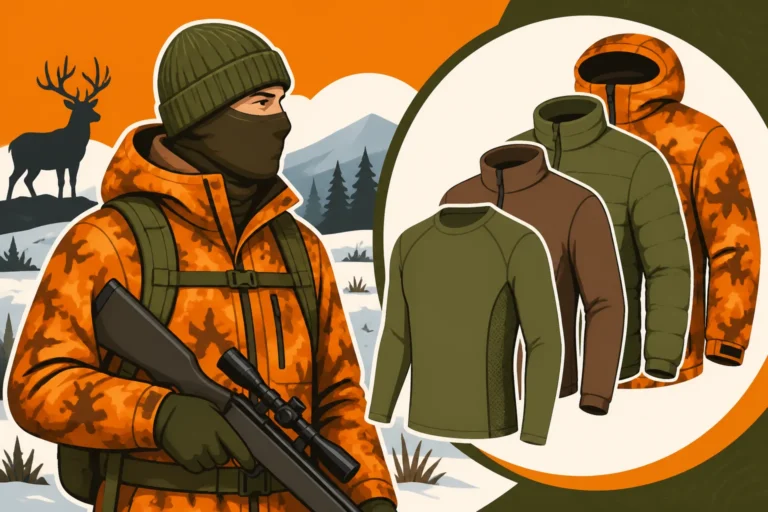
We've all heard it: "dress in layers." But for hunting, it's not just a suggestion; it's a critical strategy. Your base layer is designed to manage moisture. Over that, you'll add a mid-layer for insulation and an outer layer for protection from wind and rain. The beauty of this system is its adaptability. As temperatures rise or fall, or as your activity level changes, you can easily add or shed layers to maintain your optimal comfort level.
For a September archery sit, you might start with your base layer, a light fleece mid-layer, and a quiet, packable soft-shell outer layer. As you walk in, you might have your mid and outer layers off, packed neatly in your daypack. Once you reach your stand and cool down, you can add them back on. This proactive approach prevents you from overheating and sweating excessively during your approach, which, as we discussed, is crucial for scent control. Don't forget, when you're carrying extra layers, the weight of your gear matters, so consider how it fits into your overall system, much like you would if you were Packing for a Nine-Day Moose Hunt.
What to Wear Over Your Base Layer
After your base layer, your next layer should be a mid-layer designed for insulation. For early September, a lightweight grid fleece or a slightly heavier merino wool top works wonders. It provides that crucial bit of warmth when you're sitting still without being bulky. On top of that, you'll want an outer layer. In September, this often means a quiet, breathable soft shell jacket and pants that can cut the wind and offer some water resistance against dew or light sprinkles. The key is that these layers should also have decent moisture-wicking properties, allowing the sweat transferred by your base layer to continue moving outward.
Many hunters make the mistake of wearing a heavy, non-breathable jacket as their outer layer, effectively trapping moisture and heat. Even if your base layer is doing its job, a poorly chosen outer layer can negate all its benefits. The goal is to allow moisture to escape freely through all layers. This means checking that your outer layers are also quiet – no crinkly fabrics that will alarm a deer when you Rattling and Grunting New Hampshire Bucks or drawing your bow.
Scent Elimination Strategies Beyond Just the Base Layer
While a good scent-controlling base layer is vital, it's just one piece of the puzzle. To truly minimize your human odor, you need a holistic approach. This includes washing all your hunting clothes, including your base layers, in scent-free detergent. Storing your clean hunting clothes in airtight bags or containers, away from household odors, is another critical step. Some hunters go as far as using ozone generators in their gear lockers or specialized scent-eliminating sprays on their outer layers before heading out.
Don't forget personal hygiene either. A scent-free shower with unscented soap and shampoo before your hunt can make a big difference. And be mindful of what you eat and drink before a hunt, as strong odors can even be expelled through your pores. While you can't eliminate every trace of yourself, combining a quality base layer with these other strategies dramatically tips the odds in your favor against a whitetail's incredible nose.
Don't Forget the Extremities
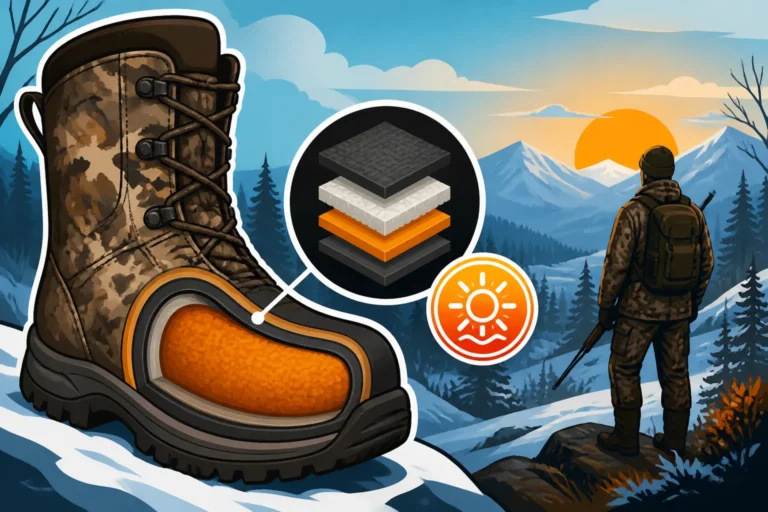
Finally, don't neglect your head, hands, and feet. These extremities are critical for regulating body temperature. For early season, a light merino or synthetic beanie or ball cap can manage sweat on your head while offering a bit of warmth. For your hands, thin, flexible gloves that allow for dexterity are key, especially when handling your bow and arrow, or using a rangefinder for those critical shots. Check out options that allow you to use your phone for apps like onX or GoHunt's mapping features without removing your gloves.
For your feet, a good pair of moisture-wicking wool or synthetic socks is indispensable. Blistering from wet feet can quickly end a hunt. Choose socks that are appropriate for the expected temperatures and your activity level, ensuring they fit well within your hunting boots. Remember, starting the day with cold, wet feet is a miserable experience and impacts your overall comfort and focus, which are paramount during any hunt, from setting up on a Connecticut River Field Edge to walking a powerline.
Early Season Base Layer Comparison
Here's a quick comparison of popular base layer materials for your New Hampshire September archery hunts:
| Feature | Merino Wool | Synthetic (Polyester/Nylon) | Blends (Merino/Synthetic) |
|---|---|---|---|
| Moisture Wicking | Excellent; wicks even when damp | Excellent; very fast drying | Very Good; balances speed and effectiveness |
| Breathability | Excellent; adapts to temperature changes | Very Good; can feel less natural | Excellent; often with targeted ventilation |
| Scent Control | Excellent; naturally odor resistant | Fair to Good; often requires treatments | Good; benefits from merino's natural properties |
| Comfort | Superior; soft, non-itchy | Good; can feel slick or less natural | Very Good; softer than pure synthetic |
| Warmth (Wet) | Excellent; retains warmth even when damp | Poor; offers little warmth when wet | Good; better than pure synthetic when damp |
| Durability | Good; can be delicate, prone to holes with abuse | Excellent; very robust | Very Good; synthetics add strength |
| Drying Time | Moderate to Slow | Fast | Moderate |
| Noise Level | Very Quiet | Quiet (some can be slightly slick/noisy) | Quiet |
| Cost | Higher | Lower to Moderate | Moderate to Higher |
Disclaimer
This article is for general informational purposes only and does not constitute professional advice. Laws, prices and regulations vary by location and change over time. Consult a qualified professional for guidance on your specific situation.