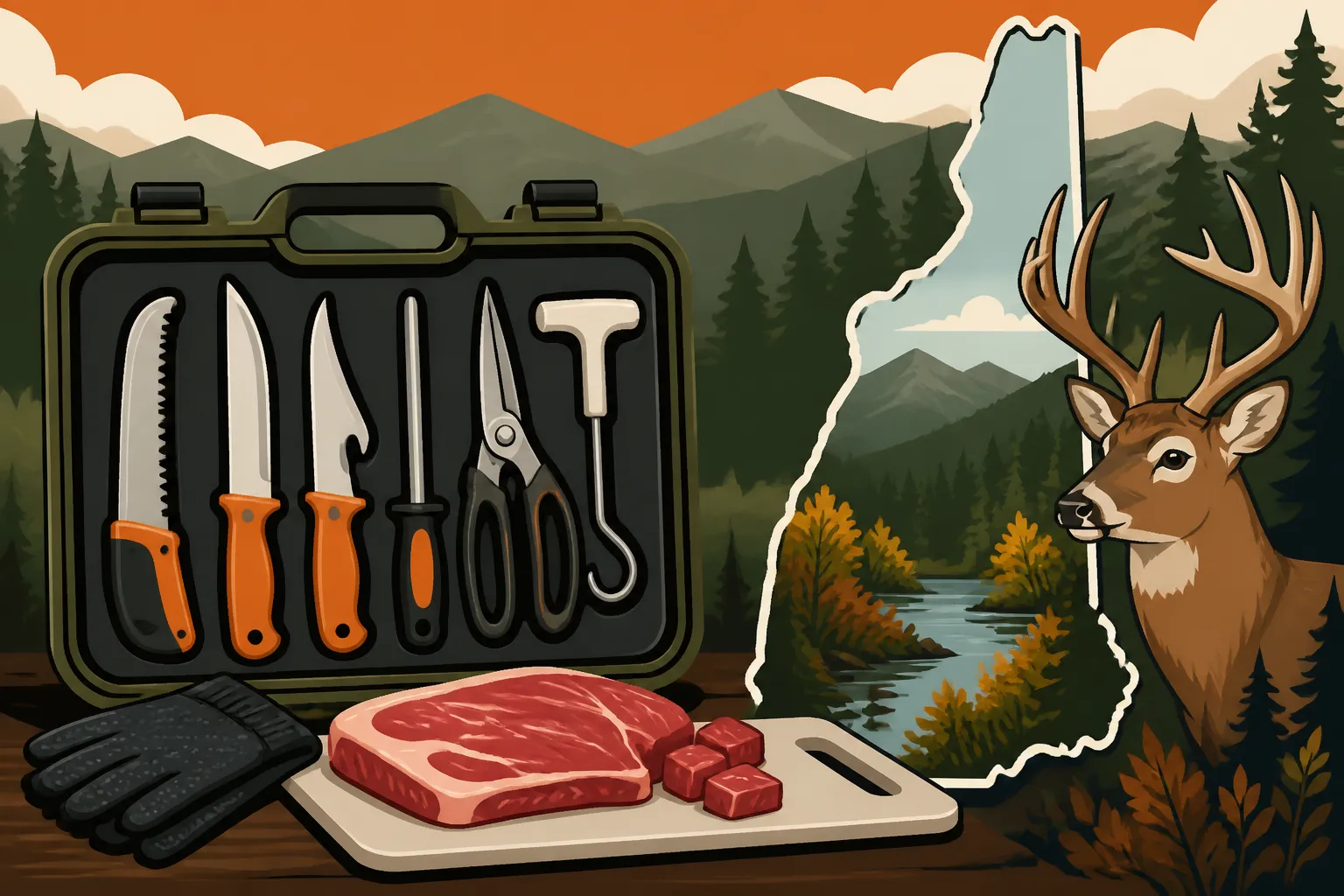
Best Meat Processing Kit for Camp
You’ve just taken down a beautiful deer, a majestic moose, or a bruin bear in the New Hampshire wilderness, and the adrenaline is still coursing through you. Now comes the critical, often daunting, task of breaking down your animal in the field or at camp. It’s a moment that can quickly turn from triumphant to frustrating if you don’t have the right tools, and a dedicated meat processing kit for camp can make all the difference in turning your harvest into quality table fare. This guide will walk you through building and using a kit that ensures your hard-earned game is processed efficiently, hygienically, and with minimal waste.
Why a Dedicated Meat Processing Kit is Crucial for Camp
Anyone who has ever tried to break down a deer or moose with just a single hunting knife knows the struggle. It’s messy, inefficient, and often leads to less-than-optimal cuts of meat. A dedicated meat processing kit is more than just a convenience; it's an investment in the quality of your harvest, your safety, and your sanity.
Beyond the Field Dressing Blade
While your trusty field dressing knife is absolutely essential for the initial steps of gutting your animal, its job mostly ends there. Field dressing is about quickly removing the entrails to begin cooling the carcass, preventing spoilage. But once you're back at camp, whether it's a remote tent site deep in the White Mountain National Forest or a more established cabin, the task shifts dramatically. You're moving from a quick, critical step to a detailed, precise operation. Trying to bone out a hindquarter or trim silver skin with a thick, gutting blade is like trying to write a letter with a crayon – it just doesn't provide the control or finesse needed. You need a suite of specialized tools designed for skinning, butchering, boning, and trimming to ensure you get the most and best meat off the bone.
Imagine bringing a large bear or a hefty moose back to a remote camp in the North Country. Field Dressing a Moose in the North Country is one thing, but then you're faced with quarters that need to be broken down further for transport and eventual freezer packing. A single knife simply isn't up to the task of efficiently separating meat from bone, removing fat, and preparing cuts without undue effort or risk of dulling your only blade beyond repair. Having a variety of sharp, purpose-built knives will make the process smoother, faster, and ultimately, more rewarding.
Sanitation and Food Safety Considerations
This is where a dedicated kit truly shines. When you’re processing meat for consumption, hygiene isn't just a good idea; it's paramount to preventing contamination and ensuring the meat is safe and delicious. Think about the field dressing process – it’s inherently dirty. While you do your best to keep things clean, your field dressing knife, gloves, and hands are exposed to bacteria. Bringing those same tools directly to the delicate butchering process at camp without proper cleaning is a recipe for trouble.
A dedicated processing kit includes tools that are clean, sharp, and often come with their own storage, reducing exposure to dirt and contaminants. More importantly, it allows for a segmented approach: one set of tools for the initial, rough work, and another, pristine set for the fine butchering. Proper sanitation also extends to your workspace, which we'll cover later, but having clean tools is the foundation. It helps prevent bacteria from the hide, gut pile, or ground from migrating to the edible meat, which is vital, especially when you're working in a less-than-ideal environment with limited running water.
Efficiency and Time Savings
After a long day of hunting, perhaps after dragging a heavy deer out of a granite ravine or Getting a Moose Out on a Logging Road, the last thing you want is to spend hours struggling with inadequate tools. A proper processing kit dramatically cuts down the time and effort required to break down your game. Each knife has a specific role, and when used correctly, they allow for fluid, precise movements that maximize meat yield and minimize waste.
Consider the time spent trying to remove a deer hide with a dull knife versus a razor-sharp skinning knife designed for the job. Or the effort of boning out a shoulder with a general-purpose hunting knife compared to a flexible boning knife that glides along the bone. These specialized tools are ergonomically designed for repetitive tasks, reducing fatigue and making the job feel less like a chore and more like a skilled craft. When you’re under pressure to cool meat quickly, especially if the weather is still mild after your hunt, efficiency is not just about convenience – it's about preserving your harvest.
Essential Components of a Camp Meat Processing Kit
A truly effective camp processing kit isn't just a collection of knives; it's a thoughtfully assembled arsenal of tools designed to handle every step from field to freezer. Investing in quality components will pay dividends in the long run.
The Right Knives and Sharpening Tools
This is the heart of your kit. You need more than one knife, and each should have a specific purpose.
- Skinning Knife: Typically has a curved, upswept blade designed to separate the hide from the muscle without puncturing either. A good skinning knife makes quick work of what can be a tedious process. Look for one that fits comfortably in your hand, offering good control.
- Boning Knife: Characterized by a thin, flexible blade, often 6-8 inches long. This knife is invaluable for separating meat from bone, trimming fat, and removing silver skin. Its flexibility allows it to follow contours and get into tight spots, maximizing your meat yield. Best Knife for Field Dressing a Whitetail often means a robust utility knife, but boning requires finesse.
- Butcher Knife/Breaking Knife: These are larger, sturdier knives, often with a rigid blade around 8-10 inches. They are used for breaking down larger primals, separating muscle groups, and making initial cuts through tough tissue. For quartering larger game like moose or bear, a breaking knife with a bit more heft can be incredibly useful.
- Fillet Knife (Optional but useful): While typically associated with fish, a flexible fillet knife can be excellent for very fine trimming, removing tough membranes, or creating thin, even cuts for specific recipes.
- Bone Saw: Absolutely critical for breaking down large animals like moose or elk, and very helpful for deer if you plan to save bone-in cuts or split the pelvis. A good bone saw, whether hand-held or a robust reciprocating saw (if you have power at camp), will save you immense effort. Think about trying to tackle a moose femur with just a knife – it’s not happening. Best Bone Saw for Moose Quartering will be a sturdy, sharp tool designed for thick bone.
- Sharpening Tools: Knives dull quickly, especially when working through tough hide and connective tissue. A dull knife is dangerous and inefficient. Your kit must include a reliable sharpening stone, a ceramic honing rod, or a pull-through sharpener. Regular honing keeps an edge keen, and a good sharpening stone can restore a truly dull blade. Always sharpen your knives before you start processing and periodically throughout the task.
Cutting Surfaces and Workstation Setup
You can't just hack away on a picnic table or the tailgate of your truck. A clean, stable cutting surface is vital for hygiene and efficiency.
- Large, Food-Grade Cutting Board(s): Look for robust plastic or composite cutting boards that are easy to clean and sanitize. You'll want at least one large one, preferably two – one for rough cuts and one for final trimming. Avoid wood boards unless they are specifically designed for meat and meticulously cared for, as they can harbor bacteria. Many hunters prefer white or natural-colored boards because they make it easier to spot any contaminants.
- Clean Workspace: This might seem obvious, but setting up a dedicated, clean area is crucial. This could be a sturdy table covered with a disposable plastic sheet, or even a section of clean plywood. The key is a surface that can be easily cleaned, ideally away from direct dirt, dust, and insects. For those remote camps without much infrastructure, a portable folding table can be a game-changer.
- Gloves: Always include multiple pairs of food-grade nitrile gloves. They provide an extra layer of sanitation, protect your hands, and are easily disposable, allowing you to switch to a fresh pair if one gets contaminated or torn.
Storage, Packaging, and Transport Essentials
Once the meat is off the bone, it needs to be protected, cooled, and transported properly.
- Game Bags: These breathable cloth bags are indispensable for protecting quarters and larger cuts from dirt, flies, and debris while allowing air circulation for cooling. They are especially useful for getting your meat from the field to camp. Best Game Bags for Field Care are made of a durable, yet breathable material that can be washed and reused.
- Coolers and Ice: Even in New Hampshire's cooler fall weather, keeping your meat cold is paramount. Large, high-quality coolers filled with ice (or dry ice for longer journeys) are non-negotiable. Plan for more cooler space than you think you’ll need. Best Cooler for Packing Out Meat in Warm Weather will have excellent insulation and a good seal.
- Vacuum Sealer (and bags): While a full-sized electric vacuum sealer might be overkill for a truly primitive camp, portable, battery-operated versions are becoming more common. Vacuum sealing is the gold standard for long-term freezer storage, protecting against freezer burn. If a sealer isn't feasible, heavy-duty freezer bags or butcher paper are the next best option.
- Freezer Paper/Plastic Wrap: If you're not vacuum sealing, heavy-duty freezer paper (plastic-coated on one side) or a combination of plastic wrap and freezer paper is essential for wrapping individual cuts. This minimizes air exposure and helps prevent freezer burn.
- Labels and Permanent Markers: Don't underestimate the importance of labeling! Date your packages and note the cut (e.g., "Deer Loin – 11/15"). This prevents guessing games later and helps with inventory rotation. GoHunt often features articles on organizing your harvest, and proper labeling is always a key piece of advice.
- Cleaning Supplies: Paper towels, soap (biodegradable for backcountry), clean rags, and a spray bottle with a bleach solution (for sanitizing surfaces) are crucial for maintaining hygiene throughout the process and for final cleanup.
Building Your Ideal Camp Processing Kit: Customization and Considerations
There’s no one-size-fits-all processing kit. What works for a solo deer hunter might be completely inadequate for a group tackling a moose. Thinking through your specific hunting style, target species, and camp setup will help you build a kit that's just right.
Size Up Your Game: Deer, Bear, or Moose?
The scale of your processing operation will dictate the tools you need. A small New Hampshire whitetail, perhaps taken during the New Hampshire's November Firearms Deer Season, requires less heavy-duty equipment than a much larger animal.
- Deer: For deer, you might get by with a good skinning knife, a boning knife, and a smaller butcher knife. A sturdy cutting board and plenty of game bags and ice in coolers will typically suffice. A bone saw is useful but not always critical if you're comfortable quartering or breaking down the animal without splitting the pelvis or spine.
- Bear: Similar to deer in size, but bear fat can be greasy and require diligent cleaning. A dedicated skinning knife is especially useful for separating the hide from the thick fat layer.
- Moose: This is where you really need to scale up. Packing for a Nine-Day Moose Hunt isn't complete without planning for processing. You’ll absolutely want a robust bone saw, heavy-duty breaking knives, multiple large cutting boards, and an abundance of coolers and ice. Processing a moose is a multi-person job, and having multiple sets of well-maintained knives can keep everyone working efficiently. The sheer volume of meat also means you'll need ample packaging materials.
Camp Environment: Remote Backcountry vs. Drive-Up Camp
Where you're processing your game significantly impacts what's practical to include in your kit.
- Remote Backcountry Camp: Think minimal, lightweight, and self-sufficient. Power tools like reciprocating saws are likely out. Focus on high-quality manual tools: a top-tier set of knives, a hand bone saw, compact cutting boards, and reliable game bags. You’ll rely more on natural cold or carefully managed ice in insulated coolers for cooling. Cleaning will involve careful use of limited water and biodegradable soaps. Maps and resources from platforms like GoHunt can help you scout areas with potential water sources.
- Drive-Up Camp or Cabin: Here, you have more flexibility. Access to a vehicle means you can bring larger, heavier equipment. If there's generator power or shore power, an electric reciprocating saw can dramatically speed up bone work, and an electric meat grinder (for making burger or sausage) becomes a viable option. You can bring larger coolers, more ice, and even a full-sized vacuum sealer. Water access will also make sanitation easier, allowing for thorough washing of tools and surfaces.
Budgeting for Quality and Durability
While it's tempting to grab the cheapest "processing kit" you find, remember that these tools will be handling your hard-earned harvest. Skimping on quality often leads to frustration, dull blades, broken handles, and ultimately, less enjoyable processing experiences.
- Prioritize Knives: Invest in good quality stainless steel knives that hold an edge well and are easy to sharpen. Brands like Victorinox, F. Dick, or Dexter-Russell are popular for their excellent balance of performance and value. You don't need custom-made knives, but avoid flimsy sets.
- Consider a Kit vs. Individual Pieces: Sometimes, a pre-assembled kit offers good value, especially for entry-level. However, many experienced hunters prefer to select individual knives and tools to build a custom kit that perfectly suits their needs. If you already have some good hunting knives, you might just need to fill in the gaps with a boning knife, a bone saw, or a specific skinning tool.
- Long-Term Investment: View your kit as a long-term investment. With proper care and maintenance, good quality tools will last for decades, ensuring many successful seasons of processing game.
Practical Tips for Processing Meat at Camp
Having the right tools is only half the battle; knowing how to use them effectively and maintain a clean process is equally important. These practical tips will help you make the most of your camp processing kit.
Maintaining Hygiene Throughout the Process
This cannot be stressed enough. A clean process equals safe, high-quality meat.
- Start Clean, Stay Clean: Before you even bring meat to your workstation, ensure your hands, gloves, and all tools are thoroughly clean. Wash knives with soap and hot water, and sanitize your cutting boards and work surfaces.
- Use Multiple Cutting Boards: Ideally, designate one board for initial cuts, fat trimming, and potentially contact with hide-side materials, and another, pristine board for final cuts of clean meat. This minimizes cross-contamination.
- Change Gloves Frequently: If your gloves become soiled, torn, or you switch from a "dirty" task (like initial skinning) to a "clean" task (like boning out a clean muscle group), change them. A box of nitrile gloves is an inexpensive but critical part of your kit.
- Clean Knives Regularly: Keep a bucket of warm, soapy water and a clean rag nearby to wipe down and rinse knives frequently. This prevents buildup on the blades, making them more effective and hygienic.
- Avoid Ground Contact: Never let meat touch the ground or other unclean surfaces. Use clean game bags or lay down fresh, clean tarps if you need to set meat down.
Maximizing Meat Yield and Quality
Efficient processing isn't just about speed; it's about getting the most out of your animal and ensuring the meat tastes its best.
- Work Methodically: Break down the animal systematically, usually by quartering it first, then boning out each primal. Learning the anatomy of your game, perhaps from online resources or experienced mentors, can greatly improve your efficiency. This is where tools like onX Layers for New Hampshire Land Status might not help, but knowing the "layers" of the animal certainly will.
- Sharp Knives are Key: A sharp knife allows for clean cuts, reducing tearing and bruising of the meat. It also minimizes fatigue, allowing you to make more precise cuts, which in turn leads to higher yield. Regularly hone your blades throughout the process.
- Chill Quickly and Keep Cold: After processing, ensure your meat is cooled rapidly. This is crucial for preventing bacterial growth. Pack cuts loosely in coolers with plenty of ice, allowing air to circulate. Don't overcrowd coolers. Consider layering meat and ice, and draining meltwater regularly while replenishing ice. For very large quantities, a mix of ice and frozen water bottles works well, as the bottles can be refrozen. This is especially important for meat that will be further aged, as discussed in Aging Venison in Cold Weather.
- Trim Away Unwanted Bits: Be diligent in removing all hair, dirt, bruised meat, bloodshot areas, glands, and connective tissue (silver skin). These not only look unappetizing but can also impart off-flavors to your meat. Proper trimming enhances both the appearance and taste of your final product, ensuring you're only keeping Handling Venison From a Healthy Herd.
Post-Processing Clean-Up and Tool Maintenance
The work isn't done until everything is clean and put away. Proper care of your tools ensures they’ll be ready for your next adventure.
- Immediate Cleanup: As soon as you finish processing, wash all knives, cutting boards, and tools thoroughly with hot, soapy water. Don't let blood or fat dry on the blades, as it becomes much harder to remove.
- Sanitize All Surfaces: After washing, sanitize cutting boards and surfaces with a mild bleach solution or other food-safe sanitizer. Rinse thoroughly and allow to air dry.
- Dry and Store Properly: Ensure all knives are completely dry before storing them to prevent rust. Store them in a knife roll, block, or magnetic strip to protect their edges and prevent accidents. Don't just toss them into a drawer.
- Sharpen Before Storage: Give your knives a final sharpening and honing before putting them away for the season. This way, they'll be razor-sharp and ready to go the moment you need them next year. You’ll thank yourself When New Hampshire's Archery Season Opens rolls around and you're ready to hit the woods.
- Clean Game Bags: If using reusable game bags, wash them thoroughly and air dry before packing them away.
A well-organized and maintained meat processing kit is an invaluable asset for any New Hampshire hunter. It takes the guesswork and frustration out of a critical part of the hunting experience and allows you to truly appreciate the fruits of your labor, turning your hard-won game into delicious meals for your family and friends.
| Component Group | Basic Field Dressing Kit | Comprehensive Camp Processing Kit | Purpose & Benefit |
|---|---|---|---|
| Knives | 1-2 robust field dressing knives | Skinning, Boning, Butcher/Breaking Knives, Bone Saw, Fillet Knife | Specialized blades for efficient skinning, deboning, breaking down large cuts, and bone separation. |
| Sharpening | Basic field sharpener or honing rod | Sharpening stone(s), Ceramic honing rod, Pull-through sharpener | Maintain razor-sharp edges for safety, efficiency, and meat quality; restore dull blades. |
| Workstation | Ground tarp or none | Large food-grade cutting board(s), Portable table, Clean tarps | Hygienic, stable surface for precise cuts; keeps meat off ground. |
| Hygiene | Limited gloves, maybe some wet wipes | Multiple pairs of nitrile gloves, Soap, Water, Sanitizer, Paper towels | Prevents contamination, protects hands, ensures food safety for consumption. |
| Storage & Transport | Light game bags, Cooler with ice | Heavy-duty game bags, Multiple large coolers, Vacuum sealer, Freezer paper, Labels, Markers | Protects meat from elements/insects, rapid cooling, prevents freezer burn, identifies cuts for long-term storage. |
| Heavy-Duty Needs | N/A (requires quartering or professional processing) | Heavy-duty bone saw (hand or electric), Pack frame/Game cart | Essential for breaking down large game like moose; aids in transport from remote locations. |
Disclaimer
This article is for general informational purposes only and does not constitute professional advice. Laws, prices and regulations vary by location and change over time. Consult a qualified professional for guidance on your specific situation.