Best Vacuum Sealer for Wild Game
There's nothing quite like the immense satisfaction of a successful hunt in New Hampshire, whether it's a hard-earned buck from the White Mountains or a plump turkey from a southern field. But that feeling can quickly turn to frustration when you pull a package of your carefully processed wild game from the freezer a few months later, only to find it's a pale, dry, and unappetizing victim of freezer burn. All that effort, all that planning, all that respect for the animal – seemingly wasted. This guide is all about equipping you with the knowledge to choose the best vacuum sealer so you can preserve your wild game meat perfectly, ensuring every last morsel retains its flavor and quality, bringing that field-to-table experience to your dinner plate all year long.
Why Vacuum Sealing is a Game-Changer for Wild Game
Let's be honest, hunting isn't just a hobby; it's an investment of time, energy, and passion. From scouting those hidden corners of public land to sitting through biting cold in a treestand, you've put in the work. The last thing you want is for that valuable protein to degrade in your freezer. Standard freezer bags, no matter how "heavy duty" they claim to be, just can't compete with the superior protection offered by a dedicated vacuum sealing system.
Protecting Your Hard-Earned Harvest
Imagine finally getting that prime cut of venison back to camp, meticulously butchering it, and wrapping it lovingly in butcher paper or a zip-top bag. You stack it neatly in your freezer, feeling good about filling the larder. Fast forward a few months, and you reach for a package, only to find ice crystals forming on the meat, discolored patches, and a tell-tale dry texture. That's freezer burn, and it happens when air pockets in your packaging allow moisture to escape and oxygen to degrade the meat fibers. It’s not spoiled, but it certainly loses its appeal and often its delicious flavor.
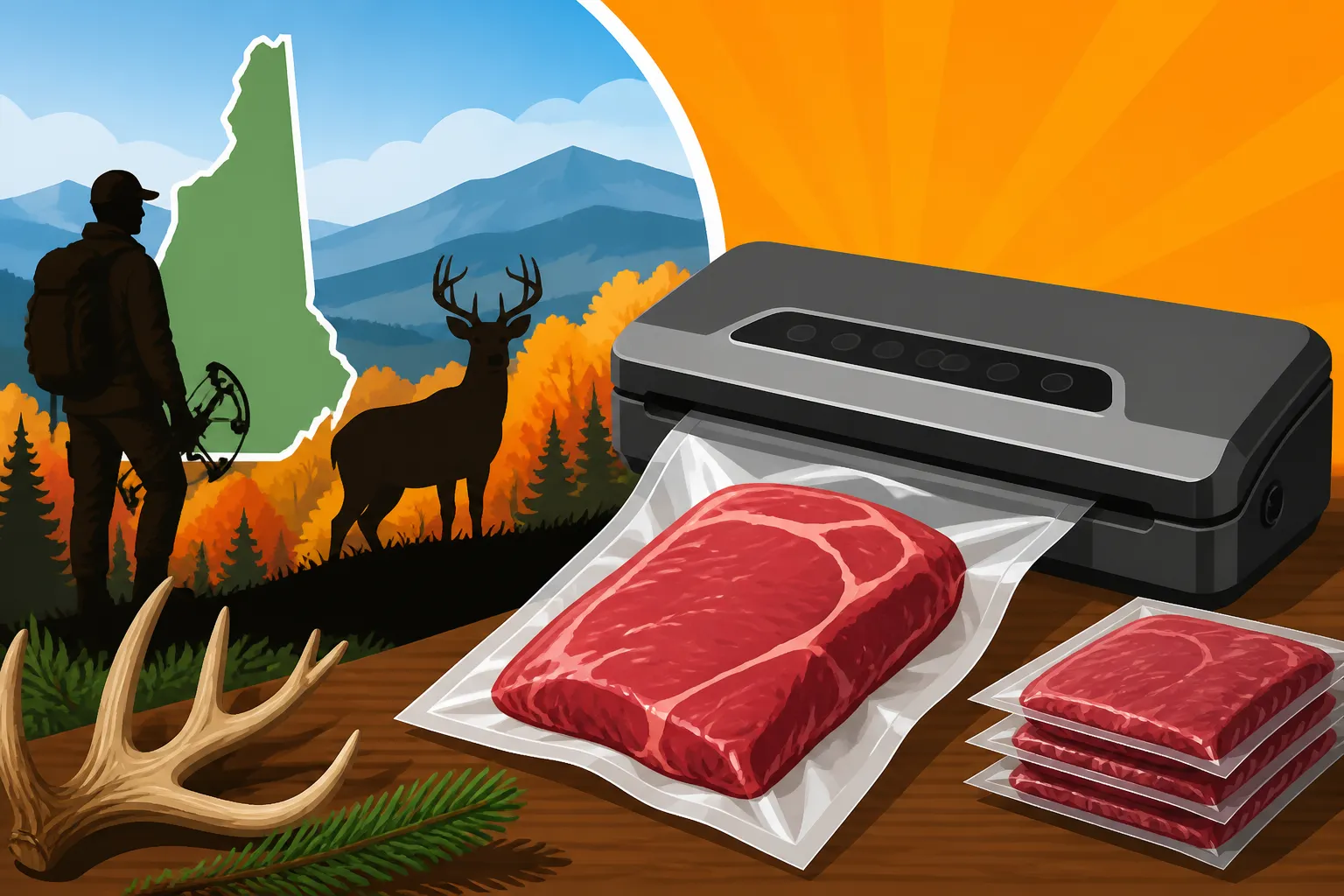
A vacuum sealer removes virtually all the air from around your meat, creating an airtight seal that no ordinary bag can replicate. This tiny environment acts as a protective shield, preventing the dehydration and oxidation that cause freezer burn. Think of it as putting your meat into a time capsule, preserving its natural juices, color, and texture for significantly longer than conventional methods. When you're spending hours Hunting a Ridge-Top Saddle for Rutting Bucks or carefully Field Dressing a Deer in Cold Weather, you owe it to yourself and the animal to ensure its meat is honored with proper preservation.
Extending Shelf Life and Enhancing Flavor
The primary benefit of vacuum sealing is undoubtedly its ability to extend the shelf life of your wild game. While regular freezer bags might keep meat "safe" for 3-6 months, vacuum-sealed game can last a year or even longer without a noticeable drop in quality. This means you can enjoy that moose burger from last fall's North Country hunt or those smoked pheasant breasts long after the season closes, without worrying about waste.
Beyond mere preservation, vacuum sealing also enhances the flavor experience. When you marinate meat in a vacuum-sealed bag, the marinade is essentially "forced" into the meat fibers under pressure, allowing for deeper and more consistent flavor penetration in a fraction of the time. This is particularly fantastic for tougher cuts of game that benefit from tenderizing marinades. Plus, because the meat retains its natural moisture, it often cooks up more tender and juicy, whether you're grilling venison steaks or slow-cooking a bear roast. It’s an investment that pays off every time you sit down to a meal of your own harvested game.
Key Features to Look for in a Wild Game Vacuum Sealer
Choosing the right vacuum sealer for wild game isn't like picking one up for leftover weeknight meals. You need something robust, reliable, and capable of handling the unique demands of processing an entire deer, moose, or several dozens of ducks. Skimping here often leads to frustration and short-lived equipment.
Power and Durability for Heavy Use
When you've just spent a day Butchering a Deer at Camp, you're probably going to be running your vacuum sealer for an extended period, sealing dozens of packages. Many standard kitchen sealers simply aren't built for this kind of continuous use. They tend to overheat, pause frequently, and ultimately wear out quickly under the strain. For wild game, you want a sealer with a strong, industrial-grade pump that can pull a consistent, deep vacuum time after time. Look for models designed for "continuous sealing" or "heavy-duty" use.
Durability also extends to the overall construction. Metal housings, robust latching mechanisms, and thick, heat-resistant sealing bars are signs of a machine built to last. You might be using this sealer in a garage, a mudroom, or even out at a remote camp (if you have generator power), so it needs to withstand a bit more than just countertop duty. Investing in a quality, powerful unit means fewer interruptions during processing and less chance of it failing mid-season when you need it most.
Wide Sealing Bar and Moist/Dry Settings
Wild game often comes in larger, more irregular cuts than store-bought meat. A vacuum sealer with a wide sealing bar (typically 12-15 inches) is crucial for accommodating bigger steaks, roasts, or whole bird breasts without having to awkwardly cram them into smaller bags. A wider seal also provides a more robust, reliable closure, reducing the chances of a bag losing its vacuum in the freezer.
The "moist" and "dry" settings are absolute must-haves for wild game. When sealing fresh meat, there's often residual moisture, blood, or marinade. A "moist" setting adjusts the sealing time and heat to ensure a secure seal without trapping liquid in the sealing area, which can lead to seal failure. A "dry" setting is perfect for things like jerky, dehydrated fruits, or pre-frozen game where minimal moisture is present. Without these specialized settings, you'll be fighting against inconsistent seals and potential spoilage. This feature is particularly helpful when you're Handling Venison From a Healthy Herd and want to ensure every cut is perfectly sealed.
Accessory Port and Roll Storage
While not strictly essential for every hunter, an accessory port can be incredibly useful. This port allows you to attach a hose to vacuum seal specialty containers, such as canisters for delicate items, jars for liquids, or even re-sealable zipper bags. This expands the versatility of your sealer beyond just freezer bags, letting you preserve everything from dried mushrooms to homemade sauces.
Integrated roll storage and a cutter are features that add significant convenience. Instead of fumbling with a separate box of vacuum seal rolls and a pair of scissors, a built-in compartment keeps your roll ready, and a slide cutter makes quick, straight cuts to custom-sized bags. This speeds up the processing line, especially when you're working through a large volume of game. When you're packing out a Packing Meat Out of a North Country Bog, every efficiency counts when you get back to process it.
Types of Vacuum Sealers: Finding Your Match
When you start looking, you'll find a couple of main categories of vacuum sealers, each with its own set of advantages and disadvantages. Understanding these differences will help you decide which one best suits your hunting and processing habits.
External Vacuum Sealers: The Home Hunter's Workhorse
This is probably the type of vacuum sealer you're most familiar with. External sealers work by placing the open end of a textured (or embossed) bag into a vacuum channel. The machine then sucks the air out through the textured channels in the bag, and once the desired vacuum level is reached, it automatically heat-seals the bag shut. These are the most common and generally the most affordable option for home use.
For the vast majority of New Hampshire hunters, an external vacuum sealer is going to be the ideal choice. They are compact, relatively easy to use, and perfectly capable of handling a deer, bear, or multiple turkeys over a season. They do require special embossed bags, which can be a recurring cost, but many brands offer compatible rolls and bags that can be more economical. The main drawback is that they struggle with very wet items, as liquid can get drawn into the vacuum chamber and interfere with the seal, though good moist/dry settings and a liquid trap can mitigate this. Many hunters find external sealers from brands like FoodSaver or Weston to be highly reliable. If you're using scouting tools on GoHunt to plan your next outing and anticipating a successful harvest, having one of these ready at home is a smart move.
Chamber Vacuum Sealers: Professional Grade for Serious Processors
Stepping up from external sealers, we have chamber vacuum sealers. These machines operate differently: you place the entire bag, with the open end inside the chamber, into the machine. The lid closes, and the entire chamber is depressurized, drawing air out from around the bag and inside the bag simultaneously. Once the air is removed, the heat bar seals the bag, and the chamber is re-pressurized.
Chamber sealers are a significant investment, often much more expensive than external models, but they offer unparalleled performance, especially for wild game. They can handle liquids with ease, making them fantastic for soups, marinades, or very juicy cuts of meat without the risk of sucking liquid into the motor. They also use smooth, less expensive bags, which can save money in the long run if you process a lot of game. The vacuum strength is typically superior, leading to even longer preservation times. If you're regularly processing multiple large game animals like moose or bear, running a busy deer camp with lots of processing, or simply demand the absolute best in preservation, a chamber sealer might be worth the higher upfront cost. They are generally larger and heavier, so they require more dedicated counter space.
Here’s a quick comparison to help visualize the differences:
| Feature | External Vacuum Sealer | Chamber Vacuum Sealer |
|---|---|---|
| Cost | Generally lower upfront cost | Significantly higher upfront cost |
| Bag Type | Requires special embossed/textured bags | Uses smooth, less expensive bags |
| Liquid Handling | Can struggle with liquids, may require pre-freezing | Excellent for liquids, no pre-freezing needed |
| Speed | Good for individual packages, may need cool-down | Faster for high volume, continuous sealing |
| Size/Weight | More compact, lighter, easier to store | Larger, heavier, requires dedicated space |
| Vacuum Strength | Very good, suitable for most needs | Superior, stronger, and more consistent vacuum |
| Maintenance | Regular cleaning of drip tray, seal gaskets | Regular cleaning of chamber and oil (for some models) |
| Typical User | Home hunters, occasional processors | Serious hunters, commercial users, high-volume processors |
Tips for Maximizing Your Wild Game Vacuum Sealing Success
Having the best vacuum sealer is only half the battle. To truly get the most out of your investment and ensure your wild game is perfectly preserved, a few best practices are essential.
Proper Meat Preparation is Key
A vacuum sealer works wonders, but it can't fix poorly prepared meat. The quality of your final product starts long before it ever touches the sealing bar. First, ensure your meat is thoroughly chilled before packaging. Warm meat can harbor bacteria and won't form as good a seal. Next, trim off any excess fat, gristle, or bone shards. Fat can go rancid even in a vacuum, and sharp bones can puncture bags, leading to lost vacuum. When you're using resources like GoHunt to analyze terrain for deer, remember that the end goal is high-quality meat, and that starts with proper field care.
If your meat is particularly juicy or wet (common with fresh game or marinades), consider a quick "pre-freeze" for about 30 minutes to an hour. This hardens the exterior slightly, preventing liquids from being drawn into the seal bar area during the vacuum process. Alternatively, you can place a small piece of paper towel in the bag near the opening to absorb any errant moisture, but be sure it doesn't get caught in the actual seal.
Bag Selection and Usage
Not all vacuum sealer bags are created equal. For wild game, you want heavy-duty, commercial-grade bags that are specifically designed for freezer use. Look for bags that are BPA-free and puncture-resistant. A thin, flimsy bag is a recipe for tears and lost seals, negating all your hard work. Consider buying in rolls rather than pre-cut bags, as this allows you to customize the bag length to perfectly fit each cut of meat, minimizing waste.
When filling bags, don't overstuff them. Leave at least 3-4 inches of space between the meat and the top of the bag where the seal will be made. This ensures there's enough room for the air to be extracted and for a strong, consistent seal to form. Also, try to lay the meat flat in the bag, rather than bunched up, to promote even freezing and thawing. And always, always label your packages with the type of game, the cut, and the date. There's nothing worse than pulling out a mystery package from the bottom of the freezer! This organized approach makes it much easier when you're stocking up for a full year's worth of meals, complementing your efforts with tools like GoHunt to locate the best spots.
Maintenance for Longevity
Your vacuum sealer is a workhorse, and like any good tool, it needs proper care to last. After each use, especially when processing wild game, clean the sealing area thoroughly. Meat juices and blood can build up, affecting the quality of future seals and potentially causing bacterial growth. Wipe down the sealing bar, the drip tray (if applicable), and the gasket with warm, soapy water or an antibacterial wipe. Make sure everything is completely dry before storing the unit.
Periodically inspect the heat sealing strip and the rubber gaskets for any signs of wear, tears, or cracking. These components are critical for creating an airtight seal. If they look worn, check with the manufacturer for replacement parts. A well-maintained vacuum sealer will serve you faithfully for many seasons, safeguarding your harvest and ensuring that the taste of your New Hampshire woods and fields remains with you long after the snow flies. Knowing how to properly Best Freezer Setup for a Season's Worth of Game relies heavily on having a well-maintained and effective vacuum sealer.
Disclaimer
This article is for general informational purposes only and does not constitute professional advice. Laws, prices and regulations vary by location and change over time. Consult a qualified professional for guidance on your specific situation.