Reading a White Mountain Deer Yard
Trying to locate whitetails in the vast, rugged terrain of New Hampshire’s White Mountains during the late season can feel like searching for a needle in a colossal haystack, especially when the snow starts piling up. It’s a common frustration for even seasoned hunters, facing vast, seemingly empty woods when the mercury drops. This guide is dedicated to peeling back the layers of mystery surrounding White Mountain deer yards, helping you understand where these crucial wintering grounds are, how to identify them, and how to approach them ethically and effectively to increase your late-season success.
Understanding White Mountain Deer Yards and Their Importance
The New Hampshire White Mountains are an absolutely breathtaking place, but let's be real – they're not exactly prime deer habitat everywhere, especially when winter digs in. Deer yards, or "deer wintering areas" as they're often called by the New Hampshire Fish and Game Department, are specific, often low-lying areas that whitetails instinctively seek out when deep snow and biting cold become a real threat to their survival. These aren't just random spots; they're critical refuges where deer can conserve energy and find some relief from the harsh elements.
Why Deer Yard Up in the Granite State's High Country
Deer yard up primarily for survival. When snow depths reach a foot or more, especially in the higher elevations and northern regions, simply moving around becomes incredibly taxing for deer. They expend massive amounts of energy trying to push through the snow, and that energy is precious when food sources are scarce.
- Snow Depth and Mobility: Imagine trying to run through waist-deep snow all day. That's essentially what a deer faces. Yarding areas typically have dense canopy cover, usually from mature conifers like hemlock, spruce, and fir. This thick evergreen cover acts like a natural umbrella, intercepting snowfall and preventing it from reaching the forest floor as deeply. Even a few inches less snow can make a huge difference in how easily a deer can move, browse for food, and escape predators. It's about reducing that daily energy burn to stay alive.
- Thermal Regulation: The dense canopy also traps warmth, creating a microclimate that's often several degrees warmer than the exposed surrounding forest. This might not sound like much, but when temperatures plummet below zero, every degree counts. It helps deer regulate their body temperature, especially fawns, who are particularly vulnerable to hypothermia. The thick cover also provides a crucial windbreak, protecting them from the brutal White Mountain gales that can sap body heat even faster.
- Food Availability: While yarding is primarily about thermal cover and snow relief, these areas often coincide with accessible food sources. Deer aren't just holing up; they're browsing on whatever is available under the protected canopy – young conifer needles, twigs, mosses, and lichens. They might also periodically venture out from the densest part of the yard along well-worn trails to access nearby deciduous browse if snow conditions allow. Understanding Late-Season Food Sources for New Hampshire Whitetails is paramount when scouting these areas.
Where to Find White Mountain Deer Yards
Deer yards aren't found on every ridge or in every valley. They are specific habitat features, and knowing what to look for on a map or even from satellite imagery can give you a huge head start.
- Conifer Dominance: The most critical characteristic is heavy softwood cover. Look for large stands of hemlock, spruce, and balsam fir, often on north-facing slopes or in stream bottoms where these species thrive. These areas are usually easy to spot on aerial maps, appearing as darker, denser green patches compared to the lighter, often bare, deciduous woods.
- Slope and Aspect: While some yards can be found in flats, many are situated on slopes. North-facing slopes often retain snow longer, but they can also offer better protection from direct sun, which can melt snow and then refreeze, creating crusts that are difficult to move through. More importantly, look for a mosaic of cover and terrain that offers protection from prevailing winter winds, often in leeward pockets or river valleys.
- Proximity to Water and Food: Many deer yards are located near water sources – small brooks, rivers, or wetlands that might remain unfrozen or have easier access to emergent vegetation. These also tend to be areas where different habitat types meet, creating "edge" that can provide more diverse browse options. For detailed scouting, an app like GoHunt can be invaluable, allowing you to layer topography with vegetation types and historical snowfall data, giving you a better idea of where deer might choose to hole up. You can often see historical timber cuts or old growth on these maps, which might indicate a change in yarding patterns over time.
Identifying Active Deer Yards on the Ground
Finding a potential deer yard on a map is one thing, but confirming its active status on the ground is where the real work begins. You're looking for undeniable evidence that deer are not just passing through, but actually spending significant time there, weathering the winter. This often means strapping on your Boots for New Hampshire's Granite Terrain and getting out there when the conditions are tough, often when the snow is deep.
Tell-Tale Signs of a Wintering Area
When you're crunching through the snow, the woods can seem silent and empty. But an active deer yard will practically hum with subtle signs if you know what to look for.
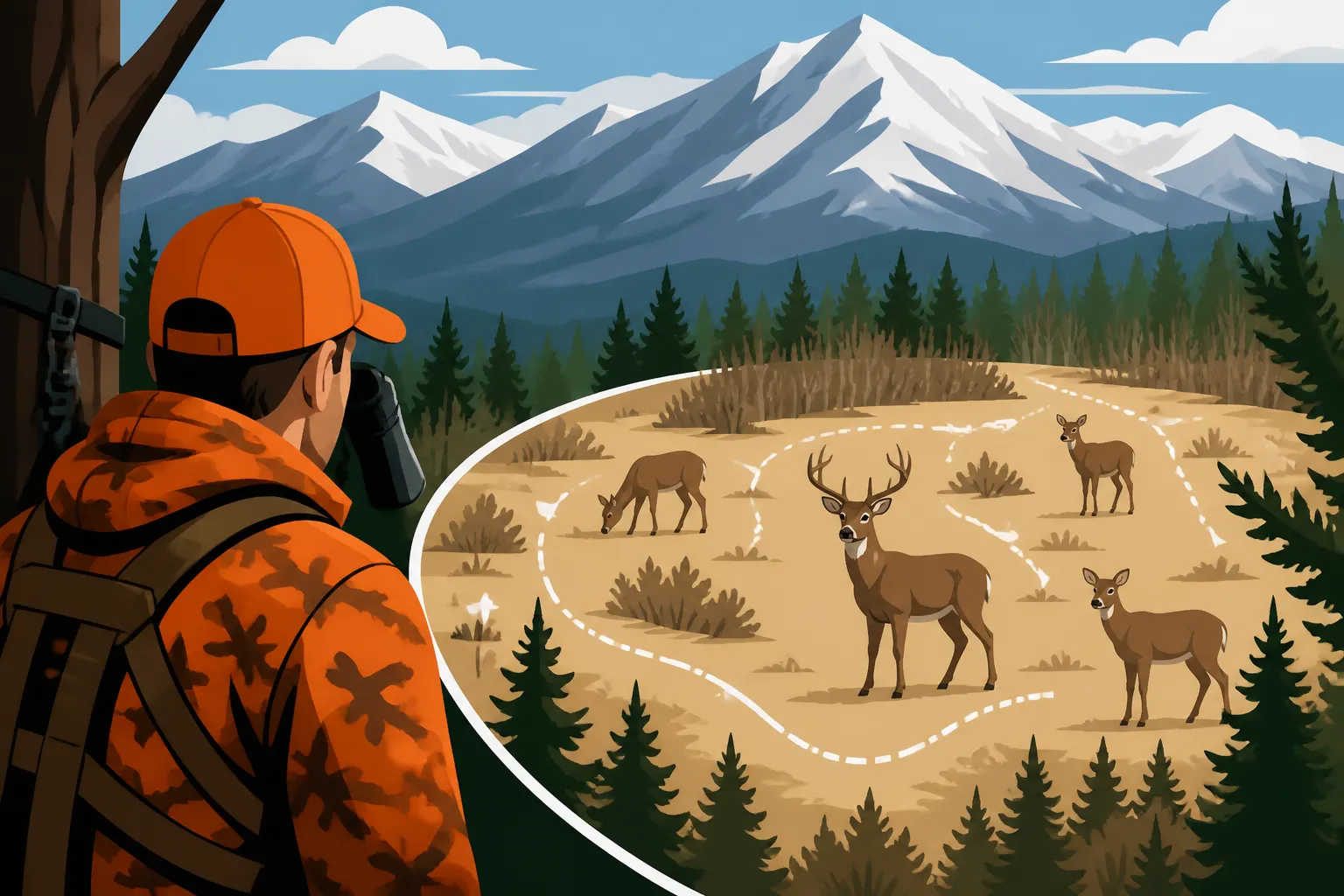
- Dense Network of Trails: This is probably the most obvious and critical sign. Deer in a yard will establish a dense network of interwoven trails, often packed hard, that look like miniature highways crisscrossing through the snow. These trails minimize energy expenditure. You'll see them leading from bedding areas to feeding zones and back. These aren't just single tracks; they're often well-worn corridors, sometimes several feet wide where multiple deer have walked. If you find one or two tracks, it might just be a deer passing through, but a network signals a communal wintering effort. You can learn a lot about recent activity by Tracking a Deer in Fresh White Mountain Snow along these pathways.
- Concentrated Signage: Within these trails and the surrounding thickets, you'll find an abundance of deer sign:
- Droppings: Look for piles of deer droppings, often in high concentrations. Fresh droppings, especially those that are soft or still retain moisture, indicate very recent use. Their shape and texture can also tell you about their diet – late-season droppings are often harder, smaller, and more pelleted due to a drier, woody browse diet.
- Browsing: Inspect the tips of twigs and young saplings. You'll see evidence of heavy browsing – twigs nipped off cleanly, often several feet above the snow line. Look for a "browse line," where vegetation below a certain height has been heavily eaten. Hemlock, balsam fir, cedar, and even hardwood saplings like maple and birch are common browse species in these areas. This consistent feeding pressure is a hallmark of a yard where deer are regularly feeding.
- Beds: Keep an eye out for depressions in the snow or flattened areas on the ground beneath thick cover, indicating where deer have bedded down. These might be individual beds or clusters of beds where multiple deer have rested together, particularly in severe weather. They'll often be strategically placed to offer maximum protection from wind and snow, sometimes right off the main trail system.
- Hair and Scrapes: While less common than droppings or browse, you might also find patches of deer hair caught on branches, especially where they've rubbed against low-hanging boughs or pushed through dense cover. Occasionally, though mostly a rut activity, you might even see old rubs or scrapes along the fringes of the yard if it’s been used extensively for several seasons and bucks have been active nearby before the deep snow set in.
When to Scout for Deer Yards
Timing your scouting efforts is crucial for effective deer yard identification. You're looking for evidence of current or very recent winter use.
- Peak Winter Conditions: The best time to scout for active deer yards is during mid to late winter, typically from January through March, after significant snowfall has accumulated and temperatures have consistently dropped. This is when deer are most likely to be confined to these areas. Earlier in the season, during mild conditions, deer might be more spread out, making it harder to discern consistent yarding patterns.
- Post-Snowfall Scouting: A fresh snowfall can be your best friend. It provides a clean slate, making new tracks and fresh sign incredibly easy to spot. A heavy snowfall followed by a couple of days of calm, cold weather is ideal. This allows deer to establish fresh trails, and you'll see exactly where they're concentrating their efforts. It’s also a good time to observe Wind and Thermals in Steep Granite Terrain, which are key factors in how deer use these sheltered areas. When planning your trips, remember to check current snow depths. GoHunt's mapping features often provide overlays for snow depth predictions, which can help you identify areas most likely to hold yarded deer.
| Sign | Appearance in Active Deer Yard | Appearance in Non-Yarding Area |
|---|---|---|
| Trails | Dense, packed, interwoven networks, often wide | Scattered individual tracks, less defined |
| Droppings | High concentration, fresh, varied age | Sparse, older, less concentrated |
| Browse | Heavy browsing on tips, distinct browse line | Light, sporadic browsing, no clear line |
| Beds | Numerous depressions under thick cover | Few or none, less sheltered |
| Hair | Small patches on low branches/thickets | Very rare or absent |
Ethical Hunting Strategies Around White Mountain Deer Yards
Once you've successfully identified an active deer yard, the next step is to approach it with a well-thought-out hunting strategy. However, it's absolutely critical to emphasize ethical considerations when hunting deer in these vulnerable wintering areas. The goal is to harvest game, not to unduly stress animals that are already conserving every bit of energy for survival.
Mindful Approach and Limited Pressure
Hunting a deer yard requires a delicate touch. You don't want to blow out the entire yard and scatter deer into less hospitable areas, potentially causing undue stress or even mortality.
- Timing is Key: In New Hampshire, the firearms season is generally over before the really deep yarding begins, which is a good thing for the deer. However, if you are hunting during the late archery or muzzleloader seasons, particularly during periods of early, heavy snowfall, you might encounter deer starting to concentrate. This is when you need to be especially mindful. Avoid hunting directly within the densest part of the yard if possible. Instead, focus on the fringes or transition areas where deer might move in and out. For example, Hunting the December Archery Close or Hunting Into the December Muzzleloader Close are prime times when deer might be forming early yarding patterns.
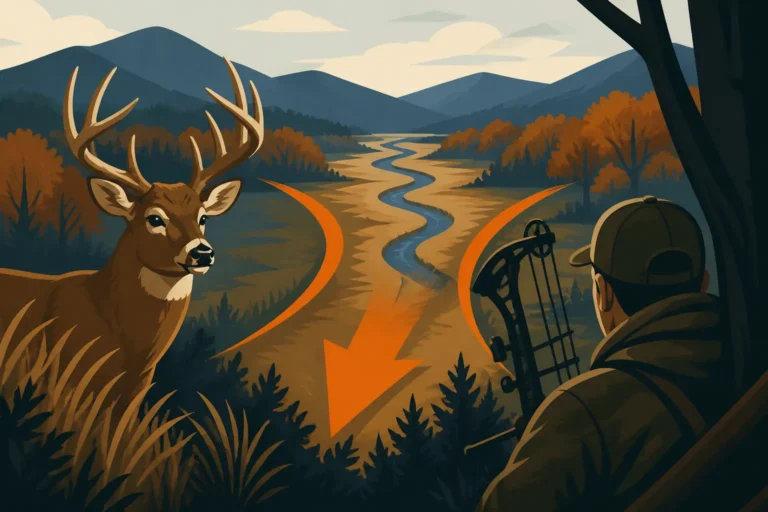
- Limited Penetration: Resist the urge to plunge deep into the core of the deer yard. Deer are already under stress from winter conditions; excessive disturbance can cause them to abandon valuable shelter and food sources, expending precious energy they can't afford to lose. Think of it like this: would you want someone stomping through your living room when you’re trying to survive a blizzard? Instead, work the edges. Identify funnel points, travel corridors leading into or out of the yard, or browse lines just outside the densest cover. This allows deer to use the core of the yard undisturbed while you intercept those that are moving.
- Short, Targeted Hunts: When you do hunt near a yard, make your hunts shorter and more targeted. Don't spend all day still-hunting through the interior. A quick, efficient sit on a strategic pinch point or a quiet Still-Hunting White Mountain National Forest Timber approach along a known travel route can be more effective and less disruptive. Pay close attention to your Cold-Weather Sitting Strategy in the North Country to ensure you can remain comfortable and effective for these shorter, intense periods.
Scouting Movement Patterns and Exit Routes
Deer don't just sit in the center of the yard all winter. They still move, albeit in more restricted patterns. Your job is to understand these movements.
- Fringe Feeding Areas: Even in heavy yarding conditions, deer will often venture out from the densest cover, especially during mild periods or after a fresh snowfall, to access additional food sources. Look for trails leading from the yard to nearby clear-cuts, young regenerating timber, or areas with more diverse browse, such as a mix of hardwoods and softwoods. These fringe areas can be excellent spots to set up, as deer will use them to feed before retreating back to the safety of the thick yard. This is where those supplemental food sources, like hemlock or cedar stands, become really vital for deer.
- Solar Slopes and Thermal Benches: While the densest yarding is often in deep cover, deer might utilize sunny, south-facing slopes or thermal benches (small, flat areas on a slope) adjacent to the yard during midday to warm up, especially if they have good escape cover nearby. These spots, while not the core of the yard, can be strategic places to intercept deer moving between their bedding areas and supplemental feeding grounds. It’s a delicate balance; they want the sun but need immediate access to heavy cover.
- Utilizing Technology for Strategic Planning: Before you even step foot in the woods, use mapping tools like GoHunt to analyze the terrain. Look for natural funnels, pinch points, and cover changes around the identified yarding areas. You can often predict travel patterns by seeing how topography, dense cover, and open areas converge. For example, a small saddle or a narrow strip of timber connecting two patches of heavy cover could be a gold mine. This kind of advanced Reading Aerial Photos for North Country Deer can save you countless hours of unproductive scouting.
Navigating Seasonal Dynamics and Environmental Factors
The White Mountains are a dynamic environment, and deer yarding behavior isn't static. It changes with the intensity of winter and other environmental factors. Being attuned to these shifts will make you a more adaptable and successful hunter.
The Impact of Snowfall and Cold Fronts
The depth and type of snow, as well as significant temperature drops, are primary drivers of deer movement into and out of yarding areas.
- Progressive Yarding: Deer don't just instantly move into a yard. It's often a gradual process. As the first heavy snows arrive, they might begin to utilize these areas more, but still venture out extensively. As snow depths increase to a foot or more, and especially with repeated heavy snowfalls, their confinement to the yards becomes more pronounced. This is when the trails become heavily worn and sign more concentrated. A sudden, deep snowfall can be a game-changer, forcing deer to immediately seek shelter. This is exactly when you want to be ready for Hunting Deer After a Cold Front, as their movement patterns will shift dramatically.
- Crusting Snow vs. Powder: The type of snow also matters. Light, fluffy powder is difficult to push through but might not be as detrimental as a crusty snow. A deep, crusty snow, especially one that can cut a deer's legs, can severely limit their mobility and make them even more reliant on established yard trails. These conditions can significantly increase stress and make deer highly reluctant to leave the safety of the yard.
- Freeze-Thaw Cycles: Mid-winter thaws followed by sudden freezes can create icy conditions that impact deer movement. While ice can make travel difficult everywhere, the protection offered by the dense canopy in a deer yard might mean less ice formation directly on the ground within the yard, making it a relatively safer haven. Conversely, exposed areas might become impassable. Always consider how recent weather events might have altered deer accessibility to food and escape routes. Remember to adjust your Layering for New Hampshire's Cold Hunting Season for these fluctuating conditions.
Predator Presence and Deer Behavior
Deer yards aren't just attractive to deer; they also draw predators like coyotes, bobcats, and even bears (though bears would be denning during peak yarding season). The presence of predators can influence how deer use and move within their wintering areas.
- Increased Vigilance: Deer in a yard are often more vigilant, especially if they know predators are in the vicinity. They might spend more time bedded in the thickest cover, moving primarily during dawn and dusk. Their escape routes within the yard will be well-known to them, and they'll stick to them. This increased alertness means you need to be exceptionally quiet and cautious in your approach.
- Predator Trails: Just as deer create trails, predators will often utilize these same trails, or create their own, to move through yarding areas in search of an easy meal. Finding coyote or bobcat tracks within or around a deer yard is a clear indicator of predator presence. While this can make deer more wary, it also means they are less likely to leave the security of the yard’s main trail network, making those trails even more significant for your hunting strategy.
- Long-Term Impact: Persistent predator pressure can also influence the long-term viability of a deer yard. If a specific yard becomes too dangerous, deer may eventually shift to other areas, even if those areas offer less optimal thermal cover. Wildlife managers keep a close eye on these dynamics to ensure the health of the overall herd.
Disclaimer
Hunting is an inherently risky activity. This guide provides general information for educational purposes only. Always consult the most current New Hampshire Fish and Game Department regulations, practice ethical hunting, prioritize safety, and respect private land ownership. The responsibility for safe and legal hunting rests solely with the individual hunter.