Running Beagles on a New Hampshire Snowshoe Hare
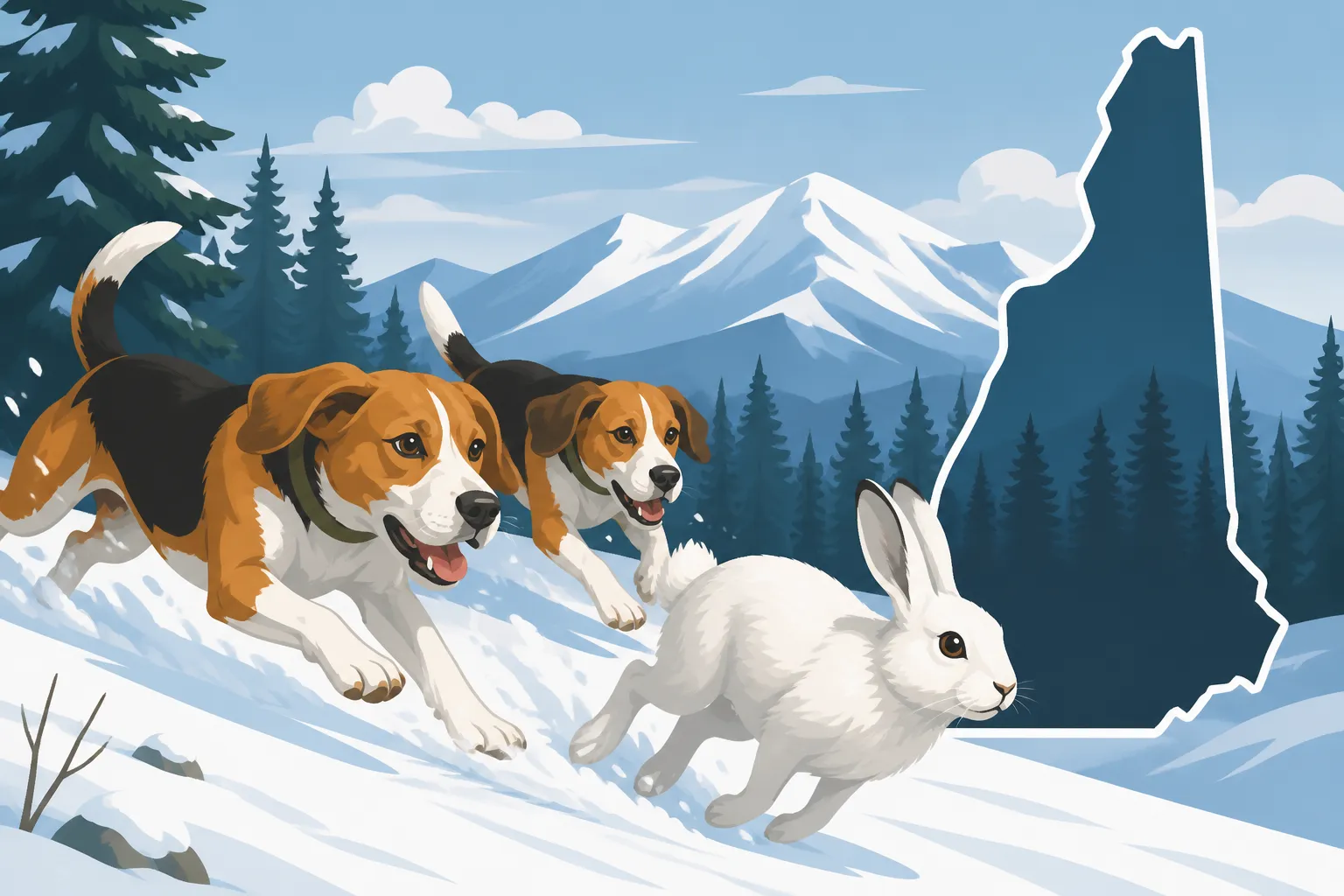
There's nothing quite like the sound of beagles in full cry, their baying echoing through a crisp New Hampshire forest as they work a snowshoe hare track. For many of us, the thrill of this hunt isn't just about the harvest; it's about the dogs, the tradition, and the unique challenge presented by these elusive creatures. If you've ever felt the frustration of still-hunting for snowshoe hare only to find empty tracks or disappearing in plain sight, you know how maddeningly difficult they can be. This guide is here to walk you through the rewarding experience of running beagles on a New Hampshire snowshoe hare, covering everything from habitat to hound care, ensuring you have the best chance at success and a memorable day in the woods.
Understanding Snowshoe Hare and Their Habitat in New Hampshire
Before you can even think about unleashing your hounds, you need to understand the quarry. Snowshoe hares are master camouflagers, changing their fur from brown in summer to brilliant white in winter, allowing them to blend seamlessly into their snowy surroundings. They're also incredibly agile and have a knack for disappearing right before your eyes. Knowing where they live and how they behave is the first step to a successful hunt.
Identifying Prime Hare Habitat
Snowshoe hares thrive in dense, regenerating forests with plenty of cover, which we have in abundance across New Hampshire. Think young spruce and fir thickets, areas with dense alders, and recent clear-cuts where new growth provides both food and security from predators. They particularly love areas with a mix of evergreen and deciduous growth, often bordering swamps, bogs, or even old logging roads. In the White Mountains, you'll often find them in spruce-fir zones at higher elevations, though they're certainly not exclusive to them. These thick, brushy areas offer them protection from predators like coyotes, bobcats, and even raptors. They need that security to survive, and it's precisely these tangled messes that make still-hunting for them so tough. When you're scouting, look for fresh droppings, clipped twigs, and their distinctive track patterns in the snow—large, splayed hind feet followed by smaller front feet. A great starting point can be a place where you've noticed a lot of moose browse, as moose and hare often utilize similar early successional habitats. Consider checking out areas like a beaver flowage edge which often provide the exact kind of dense, damp, and brushy cover hares prefer.
The Behavior and Habits of Snowshoe Hare
Snowshoe hares are primarily nocturnal or crepuscular, meaning they're most active at dawn, dusk, and throughout the night. During the day, they typically "form" up, which means they hunker down in dense cover to rest. This is why still-hunting can be so frustrating; you're often walking past them while they're hunkered down, completely invisible. When spooked, a hare will typically make a burst of speed, running in a large circle, often returning near its original starting point. This circling behavior is precisely what makes them such a fantastic game animal for beagles. They rely on their speed and camouflage, but when pressed by persistent hounds, they stick to familiar territory, looping back. This predictable, though often wide, pattern is the key to positioning yourself for a shot. Understanding New Hampshire Snowshoe Hare Population Trends can also help you target areas where populations are healthier, increasing your chances of finding more active hares.
Why Beagles Are So Effective for Hare
Beagles, with their incredible noses and relentless pursuit, are simply made for snowshoe hare hunting. Unlike larger hounds that might push a deer too far too fast, beagles have the perfect pace for hare. They're not so fast that they'll run the hare out of the country in minutes, but they're persistent enough to keep the hare circling. Their melodic baying isn't just a joy to listen to; it also tells you exactly where the chase is, how hot the track is, and gives you crucial information about the hare's direction. A good pack works together, unraveling the hare's tricky turns and doubling-backs, keeping the hunt alive. The sound of a well-trained pack is music to a hunter's ears, indicating a productive chase that's hopefully heading your way.
Essential Gear and Preparations for a Beagle Hare Hunt
Success in the New Hampshire woods, especially when chasing snowshoe hare with dogs, hinges on proper preparation. This isn't just about your gear; it's about making sure your canine companions are also ready for the rigors of the hunt.
Outfitting Your Beagles
Your beagles are the stars of this show, and their safety and performance are paramount. First and foremost, every dog needs a high-visibility collar. Orange is always a good choice, but specialized dog vests with reflective strips are even better, especially if you might be hunting near roads or during lower light conditions. GPS collars, like those from Garmin Alpha or Alpha TT series, are an absolute game-changer. These collars allow you to track your dog's exact location, speed, and even whether they're on point or treed (though treed isn't a hare thing!). Knowing where your hounds are at all times prevents lost dogs and helps you understand the flow of the chase. You can see when they're "cold trailing" or when they've got a hot track, often displayed right on your handheld unit. This technology, combined with a mapping app like GoHunt on your phone, can provide invaluable real-time information, helping you predict where the hare might circle next. Don't forget a lead for each dog, and plenty of fresh water for them, especially if you're out for several hours, along with a few high-energy treats.
Personal Gear for the Hunter
You’re going to be walking through dense, often wet, and cold terrain, so your personal gear is critical. Start with a good base layer to wick away moisture. For mid-layers, think fleece or wool for insulation. On top, a durable, brush-resistant outer shell is a must. Given New Hampshire's variable weather, having a waterproof and windproof layer is non-negotiable. Don't underestimate how quickly the weather can turn, especially if you're hunting in the White Mountains or more northern parts of the state. For maximum comfort and safety, be sure to read up on Layering for New Hampshire's Cold Hunting Season. Footwear is equally important; you need waterproof, insulated boots with excellent ankle support and aggressive tread. This is not the place for light hiking boots. Often, you'll be slogging through slush, snow, or even partially frozen bogs. For this kind of terrain, consider gear designed for Best Boots for North Country Bog Hunting. A good pair of gaiters can also prevent snow and water from getting into your boots. Eye protection is also highly recommended when pushing through thick brush. As for your firearm, a small gauge shotgun (20 gauge or 12 gauge) with light birdshot (e.g., #6 or #7.5) is ideal for hares. You don't need heavy loads; they can damage the meat and are overkill for a snowshoe hare. Always carry a small backpack with essentials: water, snacks, a first-aid kit (for you and the dogs), a knife, and a reliable compass or GPS device. Apps like GoHunt can be pre-loaded with maps, allowing you to track your own movements and dogs even without cell service. A headlamp is also crucial, as chases can often extend into dusk. Getting caught in the woods after dark, especially if you've been working hard, is no fun at all, so having the Best Headlamp for a Pre-Dawn Granite Climb (or a post-dusk walk out!) is a smart move.
Scouting and Planning Your Hunt
The best beagle pack in the world can't find hare if there aren't any. Pre-season scouting is paramount. Look for those dense thickets, clear-cuts, and areas with evidence of hare activity mentioned earlier. Pay attention to land ownership; ensure you have permission for private land, and understand the regulations for public land in New Hampshire. The New Hampshire Hunting Licenses and What They Cost article is a great resource to ensure you're squared away on all your permits and fees. Once you've identified a promising area, use mapping tools like GoHunt or your GPS app to mark potential starting points, likely hare crossing areas, and escape routes. These maps can also help you understand the topography and plan how you'll position yourself once the dogs strike a track. Knowing the lay of the land, especially where the cover transitions to more open areas or where ridges and hollows might funnel game, will give you a significant advantage. Remember that hunting hours are regulated, so always check New Hampshire Public Land Hunting Hours to ensure you're in compliance.
The Art of the Hunt: Running Beagles for Snowshoe Hare
Now for the exciting part—the actual hunt! This is where all your preparation, your hounds' training, and your woodsmanship come together.
Releasing Your Hounds and Listening to the Chase
When you arrive at a promising spot, unleash your beagles in an area with good cover, but avoid places that are too dense right at the start, as it can be hard to hear them work. Give them a few minutes to nose around and pick up a scent. Once a dog strikes a fresh track, the magic begins. You'll hear the first excited bark, then another, quickly building into the full chorus of the pack. Listen carefully to the dogs' voices. A steady, consistent bay usually means they're on a hot track and the hare is moving. If the baying becomes choppy, intermittent, or less enthusiastic, they might be working a "cold" track or have lost the scent, forcing them to "check" or cast around to pick it back up. This is where a well-trained pack shines, working together to re-establish the line. As the chase develops, you'll start to discern the hare's pattern. They often circle back, using familiar escape routes. Sometimes these circles are tight, and other times they can be surprisingly wide, covering a considerable amount of ground before looping back.
Positioning Yourself for a Shot
This is arguably the most strategic part of hunting hare with beagles. Once the dogs are in full chase and you've got a sense of the hare's general direction and likely circling pattern, it's time to find your ambush point. Look for natural funnels: narrow strips of cover, game trails, old logging roads, or edges of thickets where the hare is likely to cross. Often, the hare will try to get ahead of the dogs and sneak back through an area it just came from. You want to be on one of these crossing points, ideally with some cover for yourself, allowing you to blend in. Stand quietly, gun ready, and listen intently. The sound of the dogs getting closer will build anticipation. You'll hear the distinct thump-thump-thump of the hare's powerful hind legs before you see it, often bursting out of the brush and moving incredibly fast. It's a quick shot, so be prepared, stay safe, and be mindful of your shooting lanes. Don't shoot low to the ground in thick brush when dogs are actively running. Safety is always the absolute priority.
Ethical Considerations and Retrieval
Beyond the thrill of the hunt, responsible hunting practices are crucial. Only take ethical shots; a clean kill is always the goal. Once you've successfully harvested a hare, immediately mark its location and, if safe, retrieve it. If your dogs are still actively pursuing other hares, you might need to secure your harvested game and then recall your hounds, or let them complete the current chase before bringing them in. Make sure to clearly identify your target as a snowshoe hare before shooting. It's a good practice to ensure no deer or other protected game is in your firing line. The distinctive white coat of a winter hare makes identification easier, but always be 100% certain. After retrieval, clean the hare as quickly as possible to preserve the meat, especially in warmer conditions. You'll also want to make sure you know New Hampshire Snowshoe Hare Harvest Numbers and how your success contributes to the overall management of the species.
Post-Hunt Care and Continued Success
A successful hunt doesn't end when the shot is fired. Caring for your valuable hunting companions and properly handling your harvest ensures the experience remains positive and sustainable.
Caring for Your Beagles After the Hunt
Your beagles have worked hard, often covering many miles in challenging terrain. Their post-hunt care is vital. Check them thoroughly for any injuries: cuts from briars, thorns, or paw pad abrasions from rough ground. Inspect their ears for burrs or ticks, especially in the warmer parts of the season. Provide them with fresh water immediately and a good, high-quality meal once they've had a chance to rest and cool down. A warm, dry place to rest is also essential. If they've been working in very cold conditions, make sure they aren't shivering or showing signs of hypothermia. Regular health check-ups with your vet are also important to keep your hunting partners in top condition throughout the season and for years to come. Remember, a well-cared-for dog is a happy and effective hunting dog.
Processing Your Harvest and Season Review
Snowshoe hare meat is lean, mild, and delicious. Once retrieved, cool the hare quickly to prevent spoilage. You can skin and gut them in the field or back at camp. For most hunters, a simple field dress and then back to the skinning shed works well. The process is straightforward, and there are many great online tutorials if you're new to it. The meat can be roasted, stewed, or fried, offering a fantastic wild game meal. Don't forget to report your harvest if required by New Hampshire Fish and Game regulations. At the end of the day, or the season, take some time to review your hunt. What worked well? Did the dogs hit a track quickly? Did you pick a good stand location? Were there areas where the hares seemed particularly dense? Did you use your GoHunt app to record tracks or potential hare habitat? Learning from each outing helps refine your skills and makes the next hunt even better. Hunting Snowshoe Hare in New Hampshire with beagles is a deeply rewarding tradition, connecting you to the landscape, your dogs, and the pure joy of the chase.
Disclaimer
Always consult the official New Hampshire Fish and Game Department regulations for the most current and accurate information regarding hunting seasons, licensing, bag limits, and specific rules for hunting with hounds. This article provides general information and recommendations, but regulations can change. It is the individual hunter's responsibility to know and follow all applicable laws.