New Hampshire Moose Population Decline Since the 1990s
If you've spent any time hunting, exploring, or simply driving the backroads of New Hampshire's majestic North Country, you've likely noticed a concerning trend over the past few decades. The sight of a magnificent bull moose, once a fairly common experience, has become increasingly rare. This guide delves into the complex and often heartbreaking reasons behind the decline of New Hampshire's iconic moose population since its peak in the 1990s, examining the ecological challenges these incredible animals face and the concerted efforts being made to understand and mitigate their struggles.
The Peak and the Painful Descent
For many of us who remember the "good old days" of New Hampshire hunting, the 1990s were a golden era for moose. It felt like they were everywhere, especially in the vast timberlands and remote bogs of the state's northern reaches. Hunters coveted those elusive permits, and wildlife enthusiasts flocked to see these majestic creatures in their natural habitat. The population seemed robust, a true success story of wildlife management and natural recovery after historical declines.
This abundance wasn't accidental; it was the result of favorable habitat conditions, relatively mild winters in previous decades, and effective conservation efforts that allowed the population to grow significantly from earlier lows. There was a palpable sense of pride in our healthy moose herd, a symbol of New Hampshire's wild spirit. It was a time when the potential for a New Hampshire Moose Hunt Success Rate felt high, and the sheer number of animals was inspiring.
The Peak and the Promise of Abundance
During the 1980s and 1990s, New Hampshire's moose population experienced a remarkable resurgence. The landscape, much of it recovering from past logging practices, offered a mosaic of regenerating forests, prime browsing habitat that fueled growth and reproduction. It wasn't uncommon to spot cows with twins, a clear indicator of a thriving and healthy herd. The feeling among locals and visiting sportsmen alike was that the moose population was not just stable but booming, hitting numbers we hadn't seen in generations.
This era shaped our perception of what a healthy moose population looked like, creating a benchmark that, unfortunately, subsequent years would struggle to maintain. The expansive forests of the North Country seemed to hold an endless supply of these magnificent animals, making the idea of a decline almost unthinkable to many. The sheer density of moose, particularly in certain WMUs like those in the far north, made applying for the New Hampshire Moose Permit Lottery an exciting prospect each year, with dreams of calling in a bull.
The Telltale Signs of Decline
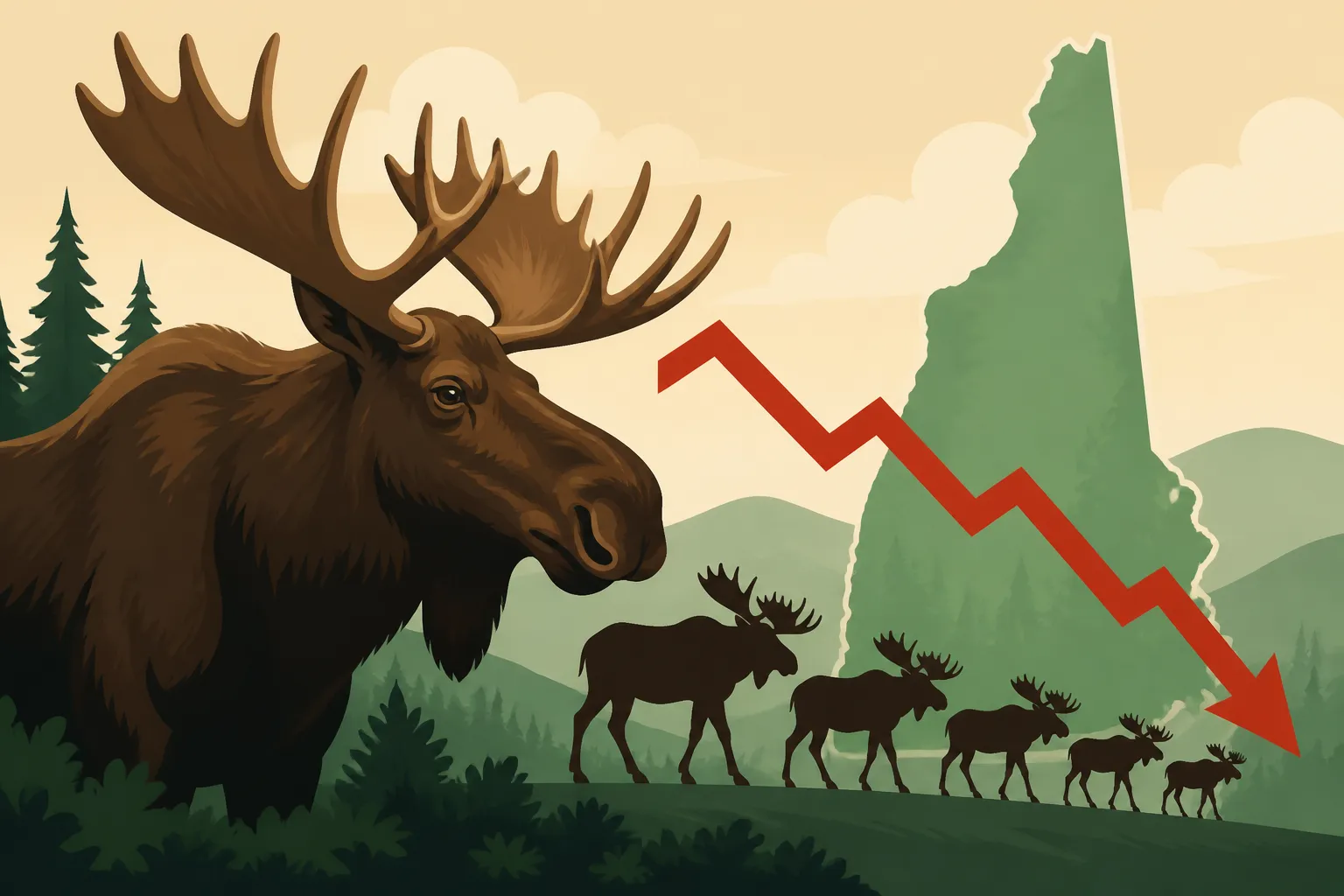
As the 2000s progressed, a subtle but undeniable shift began to occur. Hunters, guides, and even casual observers started reporting fewer sightings, and the moose population estimates released by New Hampshire Fish and Game gradually began to reflect this anecdotal evidence. It wasn't a sudden crash, but a slow, persistent attrition that chipped away at the numbers year after year. The healthy population we'd grown accustomed to was slowly diminishing.
This decline became more pronounced and scientifically documented, raising alarms within the wildlife community. Concerns grew about the long-term viability of the herd and the future of moose hunting in the state. While once a symbol of robust wilderness, the moose became a poignant indicator of environmental changes, particularly sensitive to shifts in climate and the increasing burden of parasites. The challenge of Getting a Moose Out on a Logging Road remained, but the challenge of finding one in the first place grew.
The Primary Culprit: Winter Ticks
If you talk to any wildlife biologist in New Hampshire about the moose population decline, one factor consistently rises to the top: the winter tick (Dermacentor albipictus). These tiny parasites have become the single greatest threat to the survival and recruitment of our moose, especially impacting calves and yearlings. It's a complex ecological puzzle, and unfortunately, warmer winters are playing directly into the ticks' lifecycle advantage. Understanding Why Winter Ticks Threaten New Hampshire Moose is crucial to grasping the scope of the problem.
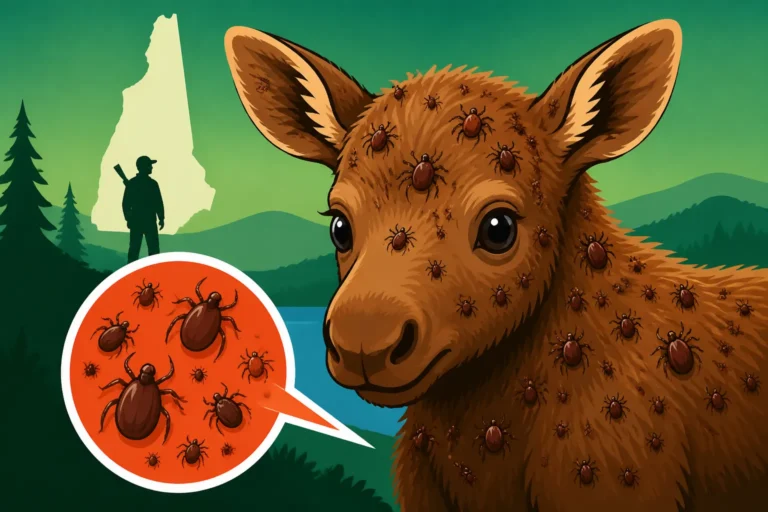
Imagine hundreds of thousands of ticks clinging to a single animal, day in and day out, from fall until spring thaw. That's the reality for many New Hampshire moose, and the cumulative blood loss, stress, and behavioral changes this causes are devastating. It's truly heartbreaking to see these once-thriving animals succumb to such a relentless, microscopic enemy.
Understanding the Winter Tick Life Cycle
The winter tick's life cycle is perfectly adapted to cause maximum damage to moose, especially when environmental conditions favor the parasite. Unlike deer ticks, winter ticks spend their entire parasitic life on a single host. They hatch in the spring, remaining dormant in the vegetation until late summer or early fall. As moose move through the undergrowth, often along familiar trails or in dense areas, thousands of larval ticks climb aboard.
Once on the host, they feed throughout the fall, winter, and into the spring. A single moose can host anywhere from tens of thousands to well over 100,000 ticks. These ticks swell with blood, dropping off the host in late winter and early spring to lay eggs on the snow or ground, starting the cycle anew. Critically, warmer falls extend the time ticks have to find a host, and milder winters mean more ticks survive to reproduce. This relentless cycle is a primary reason for the New Hampshire Moose Population Decline Since the 1990s.
How Ticks Devastate Moose Calves
While adult moose can often withstand a heavy tick burden, it's the calves that truly suffer the most, leading to poor recruitment into the breeding population. A calf, with its smaller body mass and less developed immune system, can be quickly overwhelmed by tens of thousands of ticks. The constant blood loss from so many parasites causes severe anemia, weakening the calf, making it lethargic, and significantly reducing its chances of survival through winter.
The energy drain from fighting off ticks also means calves spend less time feeding and more time scratching and rubbing, further depleting their vital fat reserves needed for cold weather. This combination of anemia, malnutrition, and stress leaves them vulnerable to other health issues, predation, and simply being too weak to forage effectively. This has a direct and devastating impact on the number of young moose that survive to reproductive age, severely limiting future population growth. Using resources like GoHunt, you can analyze habitat types to understand where ticks might be more prevalent, though it won't solve the problem directly.
The "Ghost Moose" Phenomenon
One of the most visually striking and heartbreaking consequences of severe winter tick infestation is what wildlife experts call "ghost moose." This term refers to moose that have rubbed off large patches of their protective winter coat in an attempt to alleviate the intense itching and irritation caused by thousands of feeding ticks. Their dark fur is replaced by pale, exposed skin, giving them a ghostly, ragged appearance.
While this rubbing offers temporary relief, it comes at a significant cost. The lost fur compromises their insulation, making them highly susceptible to hypothermia during cold New Hampshire winters. Even if they survive the direct effects of the ticks, the secondary effects of exposure and energy depletion often prove fatal. Spotting a ghost moose is a clear, visual indicator of a herd under immense parasitic pressure, highlighting the brutal reality of How Many Ticks Infest a New Hampshire Moose Calf.
Other Contributing Factors to the Decline
While winter ticks are undeniably the most significant factor in the moose population decline, it's rarely just one thing that impacts a species so profoundly. A confluence of other environmental and ecological changes also plays a role, creating a challenging landscape for moose to navigate. These factors often exacerbate the tick problem, creating a perfect storm of pressures on the herd.
From subtle shifts in forest composition to the overarching shadow of a changing climate, these elements collectively contribute to a less hospitable environment for our North Country moose. Understanding these interconnected challenges is key to developing comprehensive management strategies. Hunters using tools like GoHunt to scout can observe habitat changes firsthand, offering valuable ground-level insights.
Habitat Changes and Fragmentation
New Hampshire's forests are constantly evolving, and these changes can impact moose habitat. While moose thrive on browse found in regenerating clear-cuts and early successional forests, widespread mature timber offers less food. Additionally, human development, even if seemingly minor, can fragment critical habitat, interrupting moose movement patterns and increasing their exposure to human activity, including roads.
Road development and increasing recreational use in formerly remote areas can stress moose, pushing them into less ideal habitats or increasing the risk of vehicle collisions. Even subtle changes in logging practices or forest management can alter the availability of prime browsing areas, which are essential for moose to build up the fat reserves needed to survive winter, especially when dealing with a heavy tick load. This impacts the overall New Hampshire Moose Density by WMU.
Climate Change and Warmer Winters
The undeniable trend of a warming climate has profound implications for New Hampshire's moose. Milder, shorter winters and earlier springs are a critical component of the winter tick problem. Traditionally, prolonged cold snaps and deep snows would kill off significant numbers of questing tick larvae in the fall and engorged adults in the spring before they could lay eggs.
However, with warmer temperatures, more ticks survive to find hosts and reproduce. This creates a positive feedback loop where each milder winter potentially contributes to a higher tick burden in subsequent years. Furthermore, moose are animals adapted to cold environments; prolonged periods of warmth, even in winter, can cause heat stress, depleting their energy reserves and making them even more susceptible to parasitic and health issues. This makes understanding Cold-Weather Sitting Strategy in the North Country even more important for hunters trying to minimize their impact on stressed animals.
Predation and Other Pressures
While not the primary driver of the broad population decline, predation can certainly play a role, especially when moose are already weakened by other factors. Black bears and coyotes are known to prey on moose calves, particularly those that are already compromised by heavy tick infestations or poor nutritional status. A healthy, robust calf is far more likely to evade a predator than one that is anemic and lethargic.
Additionally, diseases (though New Hampshire's herd remains free of CWD, thanks to strict New Hampshire's CWD Prevention Rules) and other health issues can emerge or worsen in a population under stress. Vehicle collisions, while not a disease, also contribute to moose mortality, particularly as moose are forced to range wider in search of adequate forage or escape areas with high tick burdens.
Here's a simplified look at the factors contributing to the moose population trends:
| Factor | 1990s Impact (Peak) | 2000s-Present Impact (Decline) | Primary Mechanism of Impact |
|---|---|---|---|
| Winter Ticks | Moderate/Manageable | Severe/Devastating | Blood loss, anemia, hypothermia, calf mortality |
| Winter Severity | Sufficiently Cold | Milder, Shorter | Increased tick survival, moose heat stress |
| Habitat Quality | Abundant Browse/Regrowth | Mixed/Fragmented | Reduced forage, increased stress, development |
| Predation | Natural, Healthy Calves | Increased on Weakened Calves | Direct mortality, impacts calf recruitment |
| Disease (CWD) | Not Present | Not Present (monitored) | N/A (vigilance is key) |
| Vehicle Collisions | Present, but lower | Present, potentially higher | Direct mortality, especially near developed areas |
Management Efforts and the Road Ahead
The challenges facing New Hampshire's moose population are significant and complex, but that doesn't mean state wildlife agencies and conservationists are standing idly by. New Hampshire Fish and Game, alongside researchers and local partners, has been actively studying the issue and implementing various management strategies to understand and, hopefully, reverse the decline. It's a testament to the dedication of many individuals who truly care about the future of this iconic species in the Granite State.
These efforts involve a blend of scientific research, careful population management, and public education, all aimed at giving the moose the best possible chance to recover. While there are no easy answers, every piece of data and every management decision is made with the long-term health of the herd in mind.
Population Monitoring and Research
Understanding the precise dynamics of the moose population is the first step toward effective management. New Hampshire Fish and Game conducts extensive aerial surveys to estimate How Many Moose Live in New Hampshire, tracking population trends, calf recruitment rates, and cow-to-calf ratios. They also undertake ground-based studies, including collaring moose with GPS trackers, to monitor their movements, survival rates, and the impact of tick burdens.
This research provides critical data on moose health, causes of mortality, and the effectiveness of various management interventions. Researchers are constantly working to learn more about the specific mechanisms of tick-induced mortality and how different environmental factors interact. These efforts help refine our understanding and ensure management strategies are science-based. When considering New Hampshire's Moose Permit Lottery Application Process, it's these research efforts that inform how many permits are issued.
Limited Permit Draws and Management Zones
One of the most direct management actions taken in response to the decline has been to significantly reduce the number of moose hunting permits issued each year. This is a difficult but necessary decision, balancing hunting opportunities with the need to protect and allow the population to stabilize or grow. By limiting harvest, the state aims to reduce overall mortality and give the remaining breeding population a better chance to reproduce.
New Hampshire also manages its moose population by dividing the state into specific Wildlife Management Units (WMUs). These units allow for more localized management decisions, tailoring permit numbers and regulations to the specific conditions and population trends within each area. This targeted approach helps conserve the resource where it is most vulnerable. Hunters often use tools like GoHunt to understand these WMU boundaries and their specific regulations, which can differ significantly, especially regarding New Hampshire's Eight Moose-Permit WMUs.
Hunter and Public Education
Beyond direct management of the herd, educating hunters and the general public is a crucial component of conservation efforts. This includes raising awareness about the impact of winter ticks, encouraging responsible outdoor practices, and providing up-to-date information on moose behavior and habitat needs. Hunters, in particular, are valuable partners in conservation, often being the first to observe changes in the field.
Programs and resources help hunters understand the regulations, the importance of reporting harvest data accurately, and how their participation contributes to management. For example, understanding What a Once-in-a-Lifetime Moose Tag Means often includes an appreciation for the conservation efforts behind maintaining the herd. Continued research and monitoring, combined with adaptive management strategies and public support, offer the best hope for the long-term health of New Hampshire's magnificent moose population.
Disclaimer
This article is for general informational purposes only and does not constitute professional advice. Laws, prices and regulations vary by location and change over time. Consult a qualified professional for guidance on your specific situation.