Connecticut Lakes Headwaters Hunting Access
Staring at a map of New Hampshire, many hunters feel a magnetic pull towards the expansive, wild lands of the North Country, especially around the Connecticut Lakes Headwaters. It's a vast, remote region that promises solitude and incredible hunting opportunities, but for many, the sheer scale and perceived inaccessibility can be daunting. This guide is here to demystify hunting access in the Connecticut Lakes Headwaters, providing you with the detailed information you need to plan a successful and rewarding hunt in one of New Hampshire's truly wild places.
Understanding the Connecticut Lakes Headwaters Region
The Connecticut Lakes Headwaters isn't just a place on a map; it's an experience. It's where the mighty Connecticut River begins its journey south, a landscape shaped by ancient glaciers and modern timber practices, offering a unique blend of challenging terrain and abundant wildlife. Many hunters envision only dense forests, but this region offers so much more, and understanding its intricacies is the first step to unlocking its potential.
Geography and Unique Ecosystem
Picture this: rolling hills and mountains, vast expanses of spruce and fir forests, interspersed with mixed hardwoods, especially along the lower elevations and river drainages. You'll find numerous ponds, small lakes, and winding streams that feed into the larger Connecticut Lakes themselves—First, Second, Third, and Fourth Lake. This rich tapestry of water and timber creates an incredibly diverse ecosystem. The higher elevations can be rugged, featuring steep climbs and rocky outcroppings, while the lower lands often give way to extensive beaver flowages and marshy areas that can be surprisingly challenging to traverse, even if they look flat on a map. These diverse habitats are precisely what makes the Headwaters so appealing, providing cover, forage, and water for a wide array of game animals. The remoteness means less human disturbance, allowing wildlife to thrive in a truly wild setting.
The climate here is classic North Country: long, cold winters with heavy snowfall, and shorter, cooler summers. Fall brings vibrant foliage and crisp air, ideal for hunting, but also unpredictable weather. Expect sudden temperature drops, rain, and even early snow in October. This variability demands careful preparation, especially if you're venturing deep into the backcountry. The unique glacial history has left behind varied soil types, influencing the vegetation and, by extension, the game animals you'll find. While it's easy to get lost in the sheer beauty of it all, remember that this wildness demands respect and thorough planning.
Land Ownership and Public Access Nuances
Unlike some state-managed lands or federal forests, the Connecticut Lakes Headwaters region is a mosaic of different land ownerships, which can be a bit confusing if you're not prepared. A significant portion of the region, particularly around the headwaters themselves, is owned and managed by large timber companies or private entities, such as the Forest Society of New Hampshire and The Nature Conservancy. However, much of this private land is open to public recreation, including hunting, thanks to long-standing agreements and traditions of access. This generosity is a privilege, not a right, and it's paramount that hunters understand and adhere to any specific rules or closures posted by these landowners.
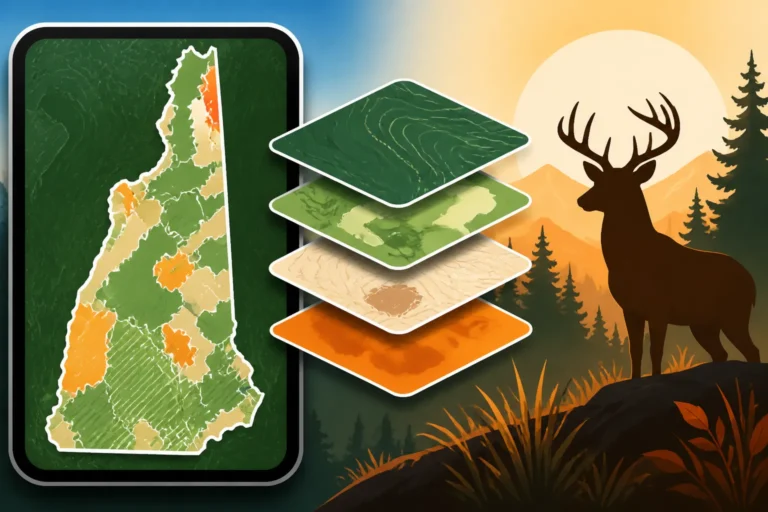
Additionally, you'll find state-owned lands, including parts of the Lake Umbagog National Wildlife Refuge (though primarily in the Umbagog Lake region, which is adjacent and shares similar characteristics) and scattered state forest parcels. Understanding who owns what, and the specific rules that apply to each parcel, is crucial. Tools like onX Hunt are incredibly valuable here. They layer property boundaries and landowner information right onto your map, so you can see at a glance if you're on public access timber company land, state land, or a private parcel that might require explicit permission. Never assume. Always verify. This is not the place to accidentally stray onto land where hunting isn't permitted, as it could jeopardize future public access for everyone.
Permitting and Regulatory Considerations
Hunting in the Connecticut Lakes Headwaters requires adherence to all standard New Hampshire hunting regulations, licenses, and permits. This includes your general hunting license, species-specific tags (like deer or turkey), and potentially a federal duck stamp if you're pursuing waterfowl. Given the remote nature of much of the region, it’s also wise to be intimately familiar with specific Wildlife Management Unit (WMU) boundaries, especially for species like bear and moose, where quotas and seasons can vary considerably. You can find detailed information about New Hampshire Hunting Licenses and What They Cost and specific rules in the annual New Hampshire Fish and Game Digest.
Beyond the standard state regulations, some timber companies or large private landowners may have their own additional rules for access. This could include restrictions on motorized vehicle use, requirements for signing in at specific points, or even temporary closures for active logging operations. Always check the websites or posted notices of the major landowners in the area you plan to hunt before you go. For example, some may prohibit baiting bears on their property, even if allowed by state law in certain WMUs. Ignorance of these local rules is no excuse, and violating them could lead to losing access to these incredible hunting grounds for yourself and others. This also extends to where you can set up a stand or ground blind; always know the rules for Treestand Rules on New Hampshire Public Land or Ground Blind Rules on New Hampshire WMAs as they can vary.
Prime Game Species in the Headwaters
The Connecticut Lakes Headwaters isn't just beautiful; it's teeming with wildlife. This truly wild region offers some of New Hampshire's best opportunities for big game and small game alike, but each species comes with its own challenges and rewards. Understanding where to focus your efforts for each can make all the difference in a successful hunt.
Deer Hunting Opportunities
For many, deer hunting is the draw, and the Headwaters region can offer some fantastic opportunities for white-tailed deer. While the deer here, particularly the mature bucks, tend to run a bit smaller in body and antler size than their counterparts in the richer agricultural lands of southern New Hampshire, what they lack in sheer size, they make up for in wildness and challenge. These are truly wild deer, often less pressured than in other parts of the state. You won't find many planted food plots or manicured trails here; instead, you'll be hunting deer that rely on natural browse, cedar swamps, and the cover provided by extensive timber. White-Tailed Deer Across New Hampshire details the general population, but the Headwaters offers a unique sub-population.
The key to deer hunting in this vast landscape is finding their preferred habitat within the broader region. Look for areas with a mix of regenerating timber, providing young browse, adjacent to mature softwoods that offer thermal cover, especially as the temperatures drop. River bottoms and stream corridors can also be excellent funnels for movement. Early archery season can be tough, as deer are still scattered, but as the rut approaches in early to mid-November, bucks will be actively cruising for does, making rattling and grunting effective tactics if done correctly. Later in the firearms season, deep snows can push deer into "deer yards"—dense conifer stands that offer shelter and food. However, this is usually well after the firearms season has closed, moving into the later archery and muzzleloader opportunities. Hunters often find success by focusing on transitional areas, saddles, and edges between different cover types.
Moose Hunting Dreams (and Realities)
New Hampshire's North Country is synonymous with moose, and the Connecticut Lakes Headwaters falls squarely within prime moose habitat. Drawing a moose permit in New Hampshire is a once-in-a-lifetime opportunity for residents, and a highly coveted one for non-residents. If you are lucky enough to secure a tag through the New Hampshire Moose Permit Lottery, this region is often where many hunters choose to focus their efforts. The sheer size of the moose and the challenging terrain make it an epic hunt, and definitely not for the faint of heart. Hauling out a moose in this remote country is a monumental task, requiring serious planning and effort.
Moose here thrive in the mix of wetlands, regenerating clear-cuts, and spruce-fir forests. They'll often be found near beaver flowages, small ponds, and low-lying boggy areas where they can browse on aquatic vegetation and young woody growth. During the rut, typically in late September to early October, bulls become more active and vocal, making calling a viable strategy. However, the density of cover means close encounters are often the norm, and judging a legal bull (especially from a cow with calves) can be tricky in the thick stuff. Hunters should be prepared for deep woods tracking, challenging recovery scenarios, and understanding the logistics of Packing Out a New Hampshire Moose. While the moose population has seen some challenges due to winter ticks, this region remains one of the best places in the state to pursue one of these magnificent animals.
Bear and Small Game Prospects
Beyond deer and moose, the Connecticut Lakes Headwaters is prime habitat for black bears. New Hampshire's bear population has been robust and growing, and the North Country, with its vast timberlands and abundant mast crops, is a stronghold. Bear hunting here can be pursued through various methods, including baiting (where regulations allow and with proper permits) and hunting with hounds (again, subject to specific WMU regulations). Still-hunting bears is also possible, especially around natural food sources like beech nuts, acorns, or berry patches in late summer and early fall. Checking Black Bears in New Hampshire will give you an overview, but remember to always verify the specific WMU rules for the Headwaters.
For those looking for a different challenge or a multi-species hunt, the Headwaters also offers excellent opportunities for various small game and furbearers. Snowshoe hare are abundant in areas with dense young growth, often found in thick clear-cuts or swamps. Ruffed grouse can be found in mixed hardwood-softwood stands, especially where there's older growth interspersed with younger successional habitat. Waterfowl, particularly wood ducks and mallards, can be found on the numerous ponds and flowages, especially during migration. And for those interested in predator hunting, coyotes are plentiful, and their calls often echo through the vast forests. Whether you're pursuing a bear or just looking to fill a small game bag, the diversity of the Headwaters means there's almost always something to hunt.
Navigating Access and Terrain
The wild character of the Connecticut Lakes Headwaters is its greatest asset, but it also presents significant access and terrain challenges. While the adventure is part of the appeal, being unprepared for the navigation and physical demands of this region can quickly turn a dream hunt into a frustrating, or even dangerous, ordeal.
Road Access and Gate Policies
Access to the deeper parts of the Connecticut Lakes Headwaters is primarily via a network of logging roads. Many of these roads are well-maintained gravel surfaces, but others can be rough, unpaved tracks that require a high-clearance, four-wheel-drive vehicle. What's crucial to understand is that many of these roads are private, owned by timber companies, even if they allow public access. This means gates can be a common sight. Some gates are always open, some are seasonally open, and some are permanently closed to vehicle traffic, allowing only foot or bicycle access beyond that point.
Always pay attention to posted signs regarding gate policies, vehicle restrictions, and any temporary closures due to active logging. Disregarding these signs can lead to fines, towing, or worse, the loss of access for everyone. Often, you'll find signs indicating that roads beyond a certain point are closed from dusk till dawn, or during mud season to prevent damage. It's a good idea to research the specific access points you plan to use before your trip. Using mapping applications like onX Hunt or GoHunt allows you to identify these roads and often shows potential access points or parking areas. Remember, driving past a closed gate or blocking an active logging road isn't just illegal; it's disrespectful to the landowners who generously provide access. Park responsibly and ensure you're not obstructing any access points or potential turnarounds for larger vehicles.
Remote Backcountry Travel
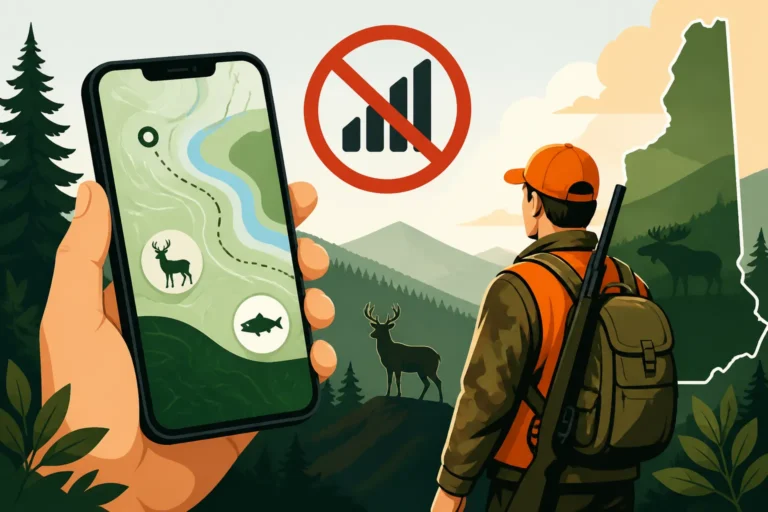
Once you leave the logging roads, you're truly in the backcountry. The terrain here is rugged and unforgiving. Expect dense forests, thick undergrowth, steep ravines, and countless bogs and wetlands. Navigation is paramount. A good GPS unit, thoroughly scouted maps (both paper and digital, like those offered by onX Hunt), and a compass are not optional—they are absolutely essential. Cell service is notoriously spotty or non-existent in much of the Headwaters, so relying solely on your phone for navigation or communication is a recipe for disaster. This is where pre-downloaded maps become lifesavers.
Physical fitness is also a major factor. Still-hunting through thick timber, climbing steep ridges, or slogging through a beaver flowage with waders can be incredibly demanding, especially when carrying a heavy pack. If you're fortunate enough to harvest a deer or a bear, or especially a moose, the challenge of getting it out will test every ounce of your strength and resolve. Consider the logistics of Packing Meat Out of a North Country Bog before you even start hunting. This isn't the place for a casual stroll; it's a wilderness experience that requires respect for the terrain and your own physical limits. Always tell someone your plans, your route, and when you expect to return.
Water Access and Boat Launch Points
The "Headwaters" part of the name isn't just for show—this region is defined by its water. The Connecticut Lakes and the numerous ponds, rivers, and streams offer additional access points and unique hunting opportunities, particularly for waterfowl and sometimes for still-hunting along shorelines. Public boat launches are available on some of the larger lakes, allowing hunters to access remote sections that might be otherwise unreachable by land. However, these launches can be few and far between, and the lakes themselves can be large and exposed, prone to strong winds and sudden weather changes.
Navigating smaller streams and flowages often requires canoes, kayaks, or shallow-draft boats. These can be excellent for getting into those hidden pockets where ducks congregate or where a moose might be browsing. However, always be aware of water levels, rapids, and potential obstacles like beaver dams or downed trees. Safety on the water is just as important as safety on land; always wear a PFD, even if you're a strong swimmer, and be mindful of cold water temperatures, which can lead to hypothermia rapidly. Remember that some water bodies may have specific regulations regarding motor size or even types of watercraft allowed, so always check local rules before launching. Consider how a Hunting a Beaver Flowage Edge from the water could open up new possibilities.
Planning Your Headwaters Hunting Trip
Successfully hunting the Connecticut Lakes Headwaters isn't just about showing up with a rifle; it's about meticulous planning, thoughtful preparation, and a deep respect for the wild country you're entering. This isn't a casual weekend hunt; it's an expedition that demands your best.
Essential Gear and Supplies
The North Country climate and remote terrain demand specific gear, and cutting corners here is not an option. Your layering system is paramount. Temperatures can swing wildly from morning to afternoon, and a sudden rain or snow shower can drop the mercury even further. Start with a good synthetic or merino wool base layer, add insulating mid-layers, and top it with a waterproof, windproof outer shell. Think about Layering for New Hampshire's Cold Hunting Season. Don't forget an extra dry set of clothes, especially socks, in a waterproof bag. Footwear needs to be rugged, waterproof, and provide excellent ankle support. Many hunters opt for high-quality leather or synthetic boots, sometimes even chest waders if planning to navigate significant wet areas. For tips on specific footwear, check out Best Boots for North Country Bog Hunting.
Beyond clothing, a reliable pack capable of carrying your gear, food, water, and potentially game meat is essential. Navigation tools—a dedicated GPS with pre-loaded maps, a compass, and paper maps—are non-negotiable. A powerful headlamp with extra batteries is crucial for early morning hikes and late evening game recovery. Bring a first-aid kit that's more comprehensive than what you'd typically carry for a day hunt, including blister treatment, pain relievers, and any personal medications. Consider a satellite communication device (like a Garmin inReach or Zoleo) for emergency communication where cell service is non-existent. Water purification tablets or a filter are also wise additions, as carrying all the water you'll need for several days can be prohibitive. Finally, durable game bags, a sharp knife, and paracord are vital for field dressing and preparing your harvest for the journey out.
Scouting Strategies and Tools
Effective scouting is the bedrock of a successful Headwaters hunt, but it's often impossible to do extensive in-person scouting due to the sheer distance and travel time. This is where technology truly shines. Start with aerial imagery and topographic maps from services like GoHunt or onX Hunt. Look for pinch points, saddles, benches, clear-cuts of different ages, beaver flowages, and areas where different timber types merge. These are all potential hotspots for game movement or bedding. Pay close attention to elevation changes and how they might create thermals that influence animal movement. Scouting New Hampshire Public Land Before Season provides general tactics that apply here.
Once you identify potential areas, you can use these maps to plan your access routes, stand locations, and extraction points. Dropping pins on your digital map for key features, potential bedding areas, or even historically productive spots can save you countless hours of wandering aimlessly in the woods. While actual boots-on-the-ground scouting is ideal, even a few days before the season can give you invaluable insights into recent animal activity, fresh sign, and unexpected changes in the landscape. Remember, this is a dynamic environment, constantly changing with logging activity and natural processes. Don't be afraid to adapt your plans based on what you find.
Safety and Emergency Preparedness
Hunting in the remote Connecticut Lakes Headwaters comes with inherent risks, and a casual approach to safety can have serious consequences. Always hunt with a buddy if possible, or at minimum, ensure someone knows your detailed plans, including your route, expected return time, and a contingency plan. A fully charged phone (even if service is limited, it can still call 911 in emergencies) and a satellite communicator are your lifelines. Understanding basic first aid and carrying a well-stocked kit is essential.
Beyond personal safety, be mindful of wildlife. While encounters with aggressive animals are rare, knowing how to react to a charging bear or a territorial moose is important. Carry bear spray if it makes you feel more comfortable. Furthermore, always be aware of your surroundings, especially during firearms season. Wear blaze orange as required, and always identify your target and what's beyond it before taking a shot. Dehydration, hypothermia, and getting lost are real threats in this environment. Staying hydrated, dressing appropriately, and constantly checking your navigation are simple steps that can prevent major problems. Have an emergency plan for everything from a lost hunter to a significant injury or successful harvest. This level of preparedness isn't paranoia; it's a necessity for a responsible hunter in the New Hampshire wilderness.
Respecting the Land and Its Wildlife
Hunting in the Connecticut Lakes Headwaters is a profound privilege, and with that privilege comes a deep responsibility to uphold ethical practices and leave the land better than you found it. This region’s wildness is fragile, and every hunter plays a role in preserving it for future generations.
Ethical Hunting Practices
Being an ethical hunter goes far beyond simply following the law; it's about a commitment to fair chase, responsible harvesting, and respect for the animals we pursue. In the Headwaters, this means understanding the capabilities of your weapon and yourself. Take only shots you are confident in, especially in the thick cover where a wounded animal can quickly disappear into the vast wilderness, leading to a long and often unsuccessful tracking effort. Blood Trailing After Dark in New Hampshire can be exceptionally difficult in this rugged terrain, so every effort should be made to ensure a clean, quick kill.
It also means respecting the species you're pursuing. Understand their habits, their vulnerabilities, and their importance to the ecosystem. For instance, avoid excessive calling that might overly stress an animal. If you're hunting bears over bait, ensure your baiting practices are legal, responsible, and don't attract nuisance animals to human-populated areas. Ethical hunting means making quick, clean kills, and then diligently recovering your animal. It means being prepared for the work that follows a successful shot, not just the shot itself.
Leave No Trace Principles
The "Leave No Trace" philosophy is particularly vital in a remote wilderness like the Connecticut Lakes Headwaters. The goal is to minimize your impact so that future visitors, both human and animal, experience the area as wild and untrammeled. This starts with proper waste management: pack out everything you pack in, including all food scraps, spent casings, and any trash. This isn't just about food wrappers; it means removing all flagging tape, spent trail camera batteries, and even orange peels that might take years to decompose. If you use a Trail Camera Placement on Public Land, ensure it's removed cleanly at the end of your hunt.
Beyond trash, it means minimizing your impact on trails and vegetation. Stay on existing roads or trails whenever possible to prevent erosion. Avoid cutting down live trees for shooting lanes or blinds; instead, utilize natural cover or a portable Using a Ground Blind on Public Land. If you have a successful harvest, disperse any gut piles away from trails, roads, and water sources. Avoid contaminating water sources with soap or human waste. The idea is to leave no physical evidence of your presence, allowing the wilderness to remain wild.
Wildlife Encounters Beyond Game Species
While your primary focus might be on harvesting game, hunting in the Connecticut Lakes Headwaters means you are immersed in a vibrant ecosystem rich with non-game wildlife. You'll likely encounter everything from various bird species, including raptors and songbirds, to smaller mammals like martens, fishers, and perhaps even elusive bobcats. This is a chance to truly appreciate the biodiversity of New Hampshire. Take a moment to observe these creatures, not just as obstacles to your hunt, but as integral parts of the landscape.
Understanding and respecting these non-game species is part of being a responsible steward of the land. For example, if you see a family of loons on a pond, give them a wide berth. If you encounter a porcupine, observe it from a distance. These interactions enrich the hunting experience, reminding us that we are guests in a larger, interconnected natural world. Moreover, this region is often the last stronghold for some of New Hampshire's most sensitive species, and understanding their habitats and behaviors contributes to their conservation. Enjoy the entirety of the wilderness experience, not just the pursuit of game.
Disclaimer
This article is for general informational purposes only and does not constitute professional advice. Laws, prices and regulations vary by location and change over time. Consult a qualified professional for guidance on your specific situation.