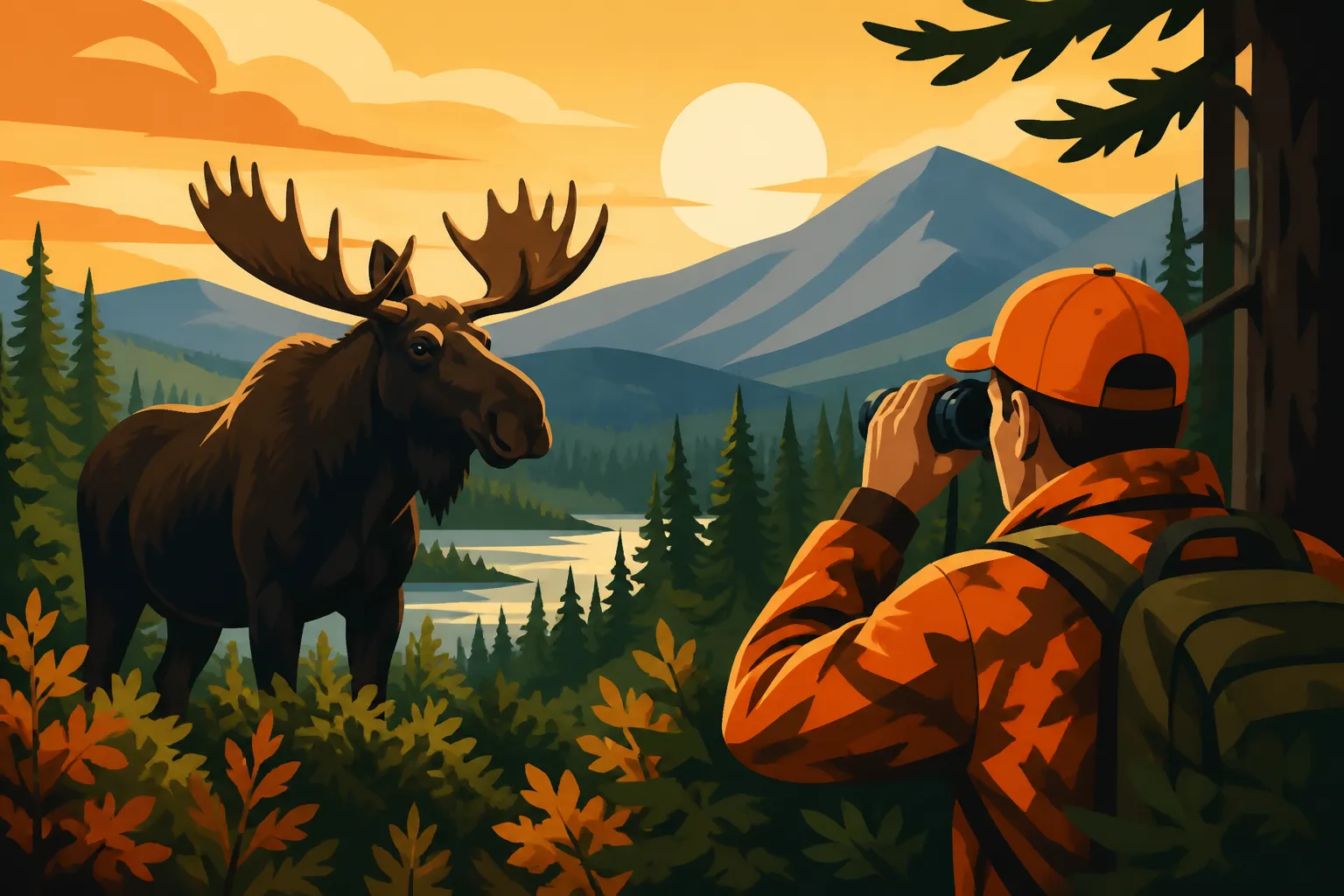
Moose Hunting New Hampshire’s North Country
The dream of drawing a New Hampshire moose permit is a powerful one, often reserved for a precious few lucky hunters each year. The sheer vastness of the North Country, combined with the elusive nature of these magnificent animals, presents a challenge that can feel utterly overwhelming for anyone new to this pursuit. But fear not, fellow outdoors enthusiast, because this comprehensive guide is designed to demystify the entire process, from understanding the lottery and pre-hunt scouting to the intricate details of the hunt itself and respectful post-harvest procedures, ensuring you're as prepared as possible for this truly once-in-a-lifetime experience.
Understanding the New Hampshire Moose Permit Lottery
Drawing a New Hampshire moose permit isn't just about luck; it's about understanding the system, knowing the odds, and making informed choices. The opportunity to pursue a moose in the Granite State is highly coveted, and for good reason—it’s an unforgettable adventure in some of the most stunning wilderness the East Coast has to offer.
The Rarity and Value of a New Hampshire Moose Tag
Let's be real: getting a New Hampshire moose tag feels like winning the lottery because, in many ways, it is. The number of permits issued each year is incredibly small, a direct reflection of the state's careful management of its moose population. Unlike some other states where moose hunting is more common, a New Hampshire tag often represents a hunter's one chance, a true "once-in-a-lifetime" opportunity that makes every aspect of the hunt profoundly significant. This scarcity elevates the value of each permit beyond mere monetary cost; it becomes a ticket to an experience deeply rooted in the wild character of New Hampshire's most remote regions.
The declining moose population since the 1990s, largely attributed to factors like winter ticks and habitat changes, has necessitated stricter permit allocations, making these tags even more precious. Every permit drawn contributes to responsible wildlife management, ensuring the health of the herd while still providing a limited, high-quality hunting experience. It's a testament to the dedication of the New Hampshire Fish and Game Department to balance conservation with opportunity. The gravity of holding that permit in your hand is immense, knowing that countless others hoped for the same chance.
Navigating the Application Process
Applying for a New Hampshire moose permit can seem a bit daunting with all the rules and dates, but it's pretty straightforward once you break it down. The New Hampshire Fish and Game Department typically opens the application window in the spring, with deadlines usually in May. You’ll apply through their online portal, which is generally user-friendly, or by mail if you prefer. There’s an application fee, and while it might seem small compared to the cost of the actual permit if you draw, it’s a necessary part of the process that helps fund wildlife management efforts.
When you apply, you'll be asked to select your preferred Wildlife Management Units (WMUs). This is where your research really pays off. Each WMU has different draw odds and moose densities, so choosing wisely is critical. For instance, if you're set on hunting the deep North Country, you'll be looking at WMUs like A, B, and C, where moose populations are historically higher, though draw odds might still be tough due to demand. Make sure you double-check all your information before submitting, because mistakes can cost you that coveted chance. Familiarize yourself with the full process by looking into the New Hampshire Moose Lottery Application Process.
New Hampshire doesn't have a complex preference point system like some other states, where you accrue points for unsuccessful applications to improve your odds in future years. Instead, it operates more like a true lottery where each application stands on its own for that year, though specific rules can change so always check the most current digest. This means that every year, you've got a fresh shot, which can be both exciting and a little frustrating. However, it also means that a first-time applicant has just as much of a chance as someone who has applied for decades – a truly fair shake for everyone hoping for that golden ticket.
Understanding Draw Odds by Residency and WMU
Let’s talk numbers, because they matter here. Your chances of drawing a moose permit in New Hampshire are significantly impacted by whether you're a resident or a nonresident. Residents generally have much better odds, reflecting the state's commitment to its own citizens, and the cost of the permit itself is also substantially lower for residents. Nonresidents face stiffer competition and a higher permit fee, making it an even rarer opportunity for those coming from out of state. It’s not uncommon for nonresident draw odds to be in the low single-digit percentages, if not less than one percent, underscoring the challenge.
Beyond residency, your choice of WMU is a major factor. The various WMUs across the state have different numbers of permits allocated, based on population estimates and management goals. For instance, the traditional "moose country" WMUs in the northern part of the state, such as A, B, and C, often have the highest number of permits and the highest moose densities, but also attract the most applications, which can drive down individual draw odds. Conversely, a WMU in a more populated or less traditional moose habitat might have fewer permits but also fewer applicants, potentially leading to slightly better, though still very slim, odds. Analyzing the historical draw data, often published by NH Fish and Game, is a smart move to understand which WMUs might offer a marginally better chance based on your residency status.
Essential Pre-Hunt Scouting and Preparation
Once that coveted permit is in hand, the real work—and excitement—begins. Successful moose hunting in New Hampshire's North Country isn't just about showing up; it's about meticulous preparation, understanding the land, and knowing what signs to look for long before opening day.
Decoding North Country Terrain and Habitat
The North Country of New Hampshire is a wild, rugged place, and understanding its terrain and habitat is paramount to finding moose. Think thick, unbroken spruce-fir forests, expansive cedar swamps, and countless beaver bogs that carve through the landscape. These wet, dense areas are prime moose habitat, providing ample food and cover. Moose are browsers, meaning they thrive on young growth, so clear-cuts, regenerating timber stands, and areas that have experienced recent disturbances are excellent places to focus your efforts. They’ll be feeding on saplings, shrubs, and aquatic vegetation.
Topographical maps and aerial imagery are your best friends here. Look for subtle elevation changes, natural funnels created by ridges or waterways, and especially those large, dark green areas indicating dense conifer stands, often adjacent to younger deciduous growth. Identifying these potential hotspots from home can save you countless miles of walking in the field. Remember, moose are big animals, but they can vanish into thick cover with astonishing ease. Knowing what type of cover they prefer at different times of the year—whether it's the coolness of a bog in early season or the thermal cover of a spruce stand when it gets colder—is key.
Pre-Season Reconnaissance and Sign Reading
Hands-on scouting is irreplaceable. Once you've narrowed down potential areas using maps and apps, it's time to hit the ground. You're looking for undeniable moose sign: massive tracks, often larger than a cow's hoofprint, indicating their presence. Droppings, which look like large, coarse pellets, will tell you how recently moose have been in the area. Look for freshly browsed vegetation—broken branches with ragged edges from their broad jaws, typically 4-8 feet off the ground.
One of the most exciting signs, especially as you approach the rut, are rubs. Bulls will rub their antlers on saplings and small trees, leaving distinct bark damage. These rubs often line travel corridors or feeding areas. Wallows, muddy depressions where moose have rolled, can also indicate active areas. Pay close attention to these clues; they tell a story about moose movement patterns and preferred feeding and bedding sites. Remember that moose are creatures of habit, and finding these traditional areas can give you a significant advantage when the season opens. To further hone your field skills, consider exploring Scouting New Hampshire Public Land Before Season.
E-Scouting Tools and Their Role
In today's hunting world, e-scouting tools are no longer a luxury but a necessity, especially for an endeavor as challenging as a New Hampshire moose hunt. Applications like GoHunt offer invaluable satellite imagery that can reveal hidden clear-cuts, delineate property boundaries (crucial for public land hunting), and pinpoint water sources that might not be obvious on traditional topo maps. You can mark potential bedding areas, travel corridors, and even likely calling locations, all from the comfort of your home. This allows you to create a detailed game plan, identifying access routes and backup spots before you ever set foot in the woods.
Beyond satellite imagery, many apps integrate layers showing public versus private land, contours, and even historical weather data. This information is critical for understanding the landscape and predicting moose movement. For example, if you see a dense network of logging roads on GoHunt, you can assume those are potential access points, but also potential pressure points from other hunters. Using the New Hampshire Fish and Game App can provide real-time updates and regulations specific to your WMU, making sure you stay legal and informed. Combining these digital tools with boots-on-the-ground reconnaissance creates a powerful scouting strategy that maximizes your efficiency and increases your chances of success.
Hunting Strategies for New Hampshire Moose
Moose hunting in the North Country demands patience, perseverance, and a deep understanding of moose behavior. Whether you're still-hunting through dense timber or trying to call in a bull, having a solid strategy is key to success.
Still-Hunting and Tracking in Dense Cover
Still-hunting for moose is an exercise in extreme patience and observation. These massive animals can disappear into thick cover with surprising stealth, making it crucial to move slowly, often taking only a few steps every minute. The goal is not to cover ground quickly, but to effectively search every tree, every shadow, and every opening for any hint of a moose. The North Country's dense spruce and cedar stands offer ideal thermal cover for moose, making these areas prime for still-hunting. Pay close attention to the wind direction; moose have an incredible sense of smell, and a shifting breeze can instantly give away your presence.
Tracking moose, especially after a fresh snowfall, can be an incredibly effective method. A large, distinct track can lead you directly to a feeding or bedding area. When tracking, it's essential to move even slower, anticipating where the moose might have stopped to feed or bed down. Moose will often travel into the wind, so understanding wind direction relative to their tracks can help you predict their next move. Look for areas of thicker cover where they might feel secure. While snow isn't always present during the early season, if you're lucky enough to draw a late-season tag, mastering Tracking a Deer in Fresh White Mountain Snow can provide transferable skills for moose.
Calling Moose: The Art and Science
Calling a moose is arguably one of the most exciting and challenging aspects of a moose hunt. It's a blend of mimicry, psychology, and understanding the nuances of moose communication. The timing of your hunt within the season often dictates the most effective calling strategy. Early in the season, before the peak rut, cow calls can be effective to draw out curious bulls. As the rut approaches, and especially in late October, bull grunts and the sound of raking a paddle against trees to mimic antlers can provoke a territorial response. Successfully Calling a Bull Moose in Late October requires not just making the right sounds, but also understanding the mood of the moose you're calling.
Setting up for a call is critical. Always try to position yourself with the wind in your favor, and ideally, where you have good visibility for a shot when a bull responds. Be prepared for a bull to approach silently or circle downwind before presenting himself. Patience is paramount; a bull might take several minutes, or even an hour, to commit to the call. Resist the urge to call too frequently or too loudly initially. Start soft and gauge the reaction. Sometimes, silence after a call can be just as effective, making a bull believe the cow has moved on and encouraging him to come looking.
Hunting Near Water Sources and Bogs
New Hampshire's North Country is dotted with countless ponds, lakes, rivers, and beaver flowages, and these water sources are magnets for moose. Moose frequently use aquatic vegetation as a food source, especially in the warmer months, and the cool water provides a welcome escape from insects and heat. Hunting these areas often means traversing challenging, wet terrain, so be prepared with appropriate footwear and clothing. Identifying active beaver flows or marshy pond edges during your e-scouting (perhaps with GoHunt) can pinpoint excellent ambush locations.
When hunting near water, consider using a boat or canoe for silent access, especially in larger bogs or remote ponds. Set up on the downwind side of travel corridors leading to the water, or position yourself overlooking a known feeding area. Moose will often emerge at dawn and dusk to feed along these edges. The dense cover surrounding these wetlands also provides excellent bedding areas, making the transition zones between water and forest particularly productive. For a deep dive into this specific strategy, check out Hunting a New Hampshire North Country Moose Bog. The unique ecosystem of these bogs requires a specific approach and readiness for anything.
Gear and Equipment for a North Country Moose Hunt
A successful moose hunt in New Hampshire’s North Country is as much about the right gear as it is about skill. The terrain is unforgiving, the weather unpredictable, and the animal itself requires serious stopping power and careful handling. Being properly equipped can make the difference between a memorable hunt and a miserable one.
Rifles, Ammunition, and Optics for Moose
When it comes to moose, you need a rifle that delivers a significant punch. These are large, powerfully built animals, and an ethical, clean kill is paramount. Recommended calibers typically start at .30-06 Springfield, moving up to more powerful options like .300 Winchester Magnum, 7mm Remington Magnum, and .338 Winchester Magnum. The key is bullet construction; you want a premium, bonded, or monolithic bullet designed for deep penetration and controlled expansion, such as Federal Trophy Bonded Tip, Nosler AccuBond, or Hornady GMX. Bullet weight should be on the heavier side for your chosen caliber to ensure maximum energy transfer and penetration through thick hide and bone. This is not the place to skimp on ammunition. If you're wondering about specifics, learning about the Best Rifle Caliber for New Hampshire Moose can give you a clear direction.
For optics, a reliable, durable rifle scope with a magnification range that suits timber hunting is essential. A 1.5-6x or 2-7x power scope is often ideal, allowing for quick target acquisition in dense woods while still providing enough magnification for slightly longer shots across clearings. Quality binoculars (e.g., 10×42 or 12×50) are equally important for spotting moose in heavy cover and confirming details. Look for optics with excellent low-light performance, as moose are often active at dawn and dusk. A good rangefinder is also a must-have for confirming distances, especially in the varied terrain of the North Country where distances can be deceiving.
Packing for a Nine-Day Moose Hunt
Preparing for a multi-day moose hunt in New Hampshire requires meticulous planning, especially when considering the potential for a full week or more in the backcountry. A nine-day hunt requires a substantial amount of gear, and every item needs to be carefully chosen for its utility and weight. Your pack should include a robust shelter system (tent or tarp), a sleeping bag rated for temperatures well below what you expect (nights can get surprisingly cold, even in early fall), and a reliable cooking system. Navigation tools are crucial: a GPS device, a detailed topographic map, and a compass are all non-negotiable. Also pack a comprehensive first-aid kit, fire-starting supplies, and enough food and water (or purification methods) to last the entire trip.
Clothing should be a layering system designed for comfort in varying conditions, from crisp mornings to potentially wet and windy afternoons. Start with a moisture-wicking base layer, add insulating mid-layers (fleece or down), and top it off with waterproof and windproof outerwear. Sturdy, waterproof boots with good ankle support are absolutely essential for navigating boggy terrain and steep ascents. Think about how to effectively organize your gear by reading more on Packing for a Nine-Day Moose Hunt, which details crucial aspects of backcountry preparation. Don't forget a headlamp with extra batteries – those North Country nights are truly dark.
Retrieval and Processing Tools
The moment of truth arrives, and you've harvested a moose. Now the real physical work begins. Moose are enormous animals, weighing upwards of 800 to 1,200 pounds or more, and getting them out of the woods is a monumental task. You’ll need heavy-duty game bags to protect the meat from dirt and insects, especially crucial in remote locations where cooling quickly is a challenge. A stout rope or paracord and a pulley system can be invaluable for field dressing and repositioning the animal. A sharp, durable knife is essential for skinning and quartering, along with a bone saw for tackling the larger joints and sternum.
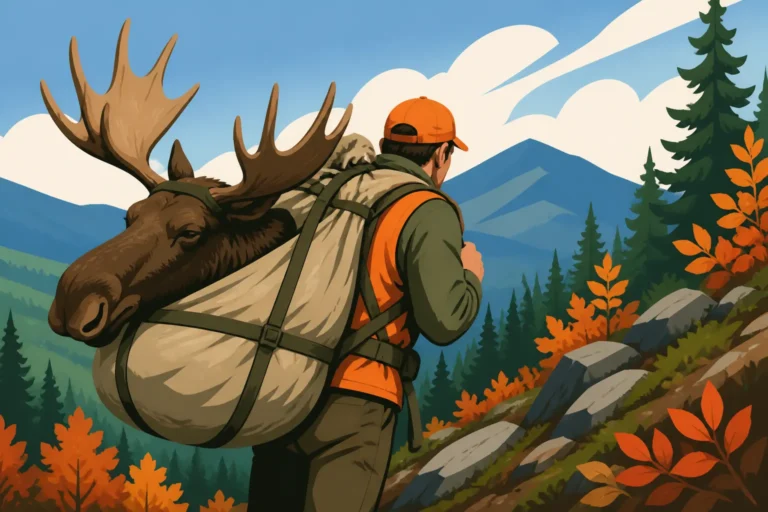
Many hunters opt to quarter a moose in the field, making it more manageable to transport. This might involve boning out the meat to reduce weight even further. If you anticipate a remote kill, consider bringing a robust game cart or even a backpack frame designed for heavy loads. ATV access might be possible on some logging roads, but always check local regulations and private land restrictions. Having a well-thought-out plan for extraction is just as important as the hunting strategy itself. For tips on how to manage the logistics of getting your game out of tough spots, refer to Getting a Moose Out on a Logging Road.
The Post-Harvest: Field Dressing, Extraction, and Registration
You’ve done it. The shot was true, and now a magnificent North Country moose lies before you. This isn't the end of the hunt; it's the beginning of another critical phase that demands quick, efficient action and respect for the animal.
Field Dressing a Moose in the North Country
Field dressing a moose is a demanding but essential task that must be done quickly and efficiently to ensure the quality of the meat. Moose are enormous, and their sheer size means there’s a lot of heat to dissipate. Your primary goal is to cool the carcass as rapidly as possible, especially if temperatures are mild. Start by removing the entrails, cutting around the anus and carefully opening the body cavity from the sternum to the pelvis. Be methodical, avoiding puncturing the stomach or intestines. Roll the animal onto its side to help gravity assist in the process, allowing the entrails to fall out.
Once the organs are removed, inspect the cavity for any debris and, if water is available, rinse it out. Propping the cavity open with sticks or small logs can help air circulation, further aiding the cooling process. In warmer weather, this step is critical to prevent spoilage. Having a partner is immensely helpful for handling such a large animal. Don’t forget to save the heart and liver if you plan to consume them. For a more detailed walkthrough, albeit for a smaller animal, the advice in Field Dressing a Deer in Cold Weather can be adapted, focusing on the principles of speed and hygiene.
Strategies for Extracting a Downed Moose
Extracting a downed moose from the North Country wilderness is arguably the most physically taxing part of the entire hunt. An adult moose can weigh over half a ton, and dragging it whole is rarely feasible, especially over uneven terrain, through dense woods, or out of a bog. The most common and practical approach is to quarter the animal in the field. This involves skinning the moose, then carefully separating the major muscle groups and bone sections into four or more manageable pieces, along with the backstraps and tenderloins. Boning out the meat can further reduce weight, leaving most of the heavy bone behind.
These quartered sections can then be placed into game bags and carried out using sturdy backpack frames. For somewhat flatter, less rugged terrain, a heavy-duty game cart might be an option, but often, the terrain makes wheeled transport impossible. If you’re lucky enough to be hunting near an accessible logging road, an ATV or snowmobile (where legal and seasonal conditions allow) can be a lifesaver for hauling out the meat. Always make sure to bring extra rope, straps, and potentially a tarp to keep the meat clean during transport. The sheer logistics of moving such a large animal often require multiple trips and strong teamwork. Remember, New Hampshire has specific rules regarding deer registration blackout days, but moose registration differs, so be clear on your requirements.
Registration and Meat Care Back at Camp
Once you’ve successfully extracted your moose, the next step is legal registration and proper meat care. In New Hampshire, moose permits come with specific tagging requirements. You’ll need to attach the tag immediately after the kill and keep it with the carcass until registration is complete. Registration can typically be done in person at designated check stations or, for some species, through the online portal or mobile app. Always confirm the exact method for moose registration for your specific year’s hunt. The deadline for registration is usually strict, often within 24-48 hours of harvest, so factor in travel time from your hunting location. Understanding New Hampshire Deer Reporting Requirements can give you a general idea, though moose regulations might have specific differences.
Back at camp, or as soon as possible, the focus shifts to preserving your hard-earned venison. If the weather is warm, getting the meat into coolers packed with ice is critical. For colder conditions, hanging the quarters in a cool, shaded area with good air circulation can help the meat cool and age properly. Avoid piling meat directly on top of itself, which can trap heat and lead to spoilage. Once cooled, process the meat by breaking it down into smaller cuts, wrapping it for the freezer, or taking it to a professional butcher. Proper handling and care ensure that the trophy of your hunt provides delicious, high-quality meat for your family and friends for months to come. Learn how to break down your harvest effectively by checking out Butchering a Deer at Camp, which contains excellent general guidelines for meat processing.
Safety, Ethics, and Conservation Considerations
Moose hunting in New Hampshire is an incredible privilege, and with that privilege comes a significant responsibility. Upholding safety standards, adhering to ethical practices, and understanding your role in conservation are paramount to a meaningful and sustainable hunting experience.
Staying Safe in Remote New Hampshire Terrain
Hunting the remote North Country means accepting certain risks. The terrain can be challenging, cell service is often nonexistent, and emergency assistance can be hours away. Prioritizing safety starts with preparedness. Always carry reliable navigation tools, including a GPS device loaded with offline maps (such as those available through GoHunt), a physical map, and a compass. Know how to use them. A satellite communicator or personal locator beacon (PLB) is an absolute must for emergency communication in areas without cell service. Inform someone of your hunting plans, including your exact location and expected return time.
Hypothermia is a real threat, even in early fall, if you get wet and temperatures drop. Dress in layers, carry extra dry clothing, and be prepared for sudden weather changes. Wildlife encounters, while rare, can include other bears or aggressive moose, especially during the rut; know how to react. A well-stocked first-aid kit is non-negotiable. Furthermore, understand and obey all New Hampshire Blaze Orange Requirements to ensure you're visible to other hunters, especially during overlapping seasons. It's also wise to be aware of the Hunting Pressure on New Hampshire Public Land and adjust your strategies accordingly to maintain a safe distance from others.
Ethical Hunting Practices and Respect for the Animal
Ethical hunting is about more than just following the law; it's about a deep respect for the animal and the hunting tradition. This means making every effort to achieve a clean, humane kill. Practice with your rifle extensively before the season to ensure you are proficient at various distances and can make an accurate shot under pressure. Always be sure of your target and what lies beyond it. If you make a shot, diligently track the animal, even if you believe the hit was fatal. Leaving a wounded animal in the woods is antithetical to ethical hunting.
Respect extends to the land and other users. Adhere strictly to all bag limits and season dates for your specific WMU. If hunting on private land, ensure you have explicit permission. If on public land, leave no trace, pack out all your garbage, and be considerate of other hunters, hikers, or outdoor enthusiasts you may encounter. The responsibility of an ethical hunter is to represent the sport positively and ensure the sustainability of the resource for future generations.
Moose Conservation and Your Role as a Hunter
Moose populations in New Hampshire, particularly in the southern and central parts of the state, have faced significant challenges in recent decades, primarily due to the impact of winter ticks. These parasites can heavily infest moose, especially calves, leading to high mortality rates and contributing to the New Hampshire Moose Population Decline Since the 1990s. Habitat changes and climate shifts also play a role. As a moose hunter, you are an integral part of conservation efforts. The fees from your license and permit directly fund wildlife research, habitat management, and population monitoring by the New Hampshire Fish and Game Department.
Your role also includes providing valuable data. Reporting your harvest accurately and promptly, and cooperating with any biological sampling efforts (such as submitting teeth or tissue samples), contributes directly to the department's understanding of moose health and population dynamics. By participating in regulated hunting, you help manage the herd at sustainable levels, which can, in some cases, mitigate the impact of disease and overpopulation on habitat. Being informed about current conservation challenges and acting as a responsible steward of the land and its wildlife ensures that future generations can also appreciate the majesty of New Hampshire's moose.
Common Challenges and Troubleshooting
Moose hunting in New Hampshire's North Country isn't for the faint of heart. It's a demanding pursuit fraught with potential obstacles, but anticipating these challenges and knowing how to troubleshoot them can be the difference between a successful hunt and a frustrating one.
Dealing with Difficult Weather Conditions
New Hampshire weather, especially in the North Country, is notoriously unpredictable and can change dramatically in a single day. You might start your morning with crisp, clear skies, only to be hit with heavy rain, sleet, or even early snowfall by afternoon. This drastically impacts moose behavior; they might seek dense cover during heavy precipitation or become more active after a cold front. More importantly, it directly affects hunter comfort and safety. Being soaked to the bone in freezing temperatures can quickly lead to hypothermia, making good rain gear and a robust layering system absolutely critical.
Wind can also be a major factor, affecting scent dispersion and making calling challenging. Strong winds can make still-hunting noisy and mask the sounds of an approaching moose. Conversely, calm, clear days can make moose more visible but also make you more detectable. Always check the weather forecast before heading out, but be prepared for anything. This means packing emergency shelter, extra dry clothes, and high-energy snacks. Remember, knowing your Cold-Weather Sitting Strategy in the North Country is essential, as waiting out a weather system or a potential moose can be a test of endurance.
Navigating Remote and Unfamiliar Territory
The vastness of New Hampshire's public lands, particularly in the White Mountain National Forest and the remote tracts of the Great North Woods, can be daunting. It's easy to become disoriented in thick timber, especially if you're pushing into areas where others rarely tread. The frustration of feeling lost or unsure of your location can quickly turn a hopeful hunt into a stressful ordeal. This is where redundant navigation tools shine: a fully charged GPS device with offline maps, a compass, and a physical map should always be with you, and you should know how to use all of them.
Before your hunt, spend significant time e-scouting (perhaps with GoHunt) to identify key landmarks, potential escape routes, and areas to avoid. Mark your starting point and leave a digital breadcrumb trail if your GPS allows. Always tell someone your specific hunting area and expected return time. If you do find yourself disoriented, stay calm, consult your map and compass, and trust your tools. Don't wander aimlessly. Sometimes, the best strategy is to sit tight, listen for familiar sounds, and use your satellite messenger to contact help if necessary. Sometimes, you just need to keep pushing deeper to Finding Ground Others Walk Past but always be aware of your capabilities.
The Mental and Physical Demands of a Moose Hunt
A New Hampshire moose hunt isn't just physically demanding; it's a significant mental challenge. The sheer size of the North Country, combined with the rarity of a permit, can create immense pressure. Long days of walking through challenging terrain, often without seeing a single moose, can be emotionally draining. You'll face early mornings, late nights, potential bad weather, and the physical exertion of packing heavy gear. The "what ifs" and the weight of the "once-in-a-lifetime" opportunity can play on your mind.
Physical fitness is paramount. You need to be able to hike for miles with a heavy pack, ascend steep ridges, and be prepared for the grueling work of field dressing and extracting a massive animal, possibly in difficult conditions. Mental fortitude is equally important: the ability to remain positive, focused, and persistent even when things aren't going your way. Acknowledge that there will be highs and lows. Embrace the challenge, learn from every step, and cherish the experience of being in wild New Hampshire. Building a strong "moose camp" atmosphere, even if it's just you and a buddy, can do wonders for morale, much like the communal spirit found in New Hampshire Deer Camp Traditions.
Disclaimer
Please note: Hunting regulations and laws can change. Always consult the most current New Hampshire Fish and Game Department rules and regulations before planning or undertaking any hunting activity. Safety should always be your top priority in the field.