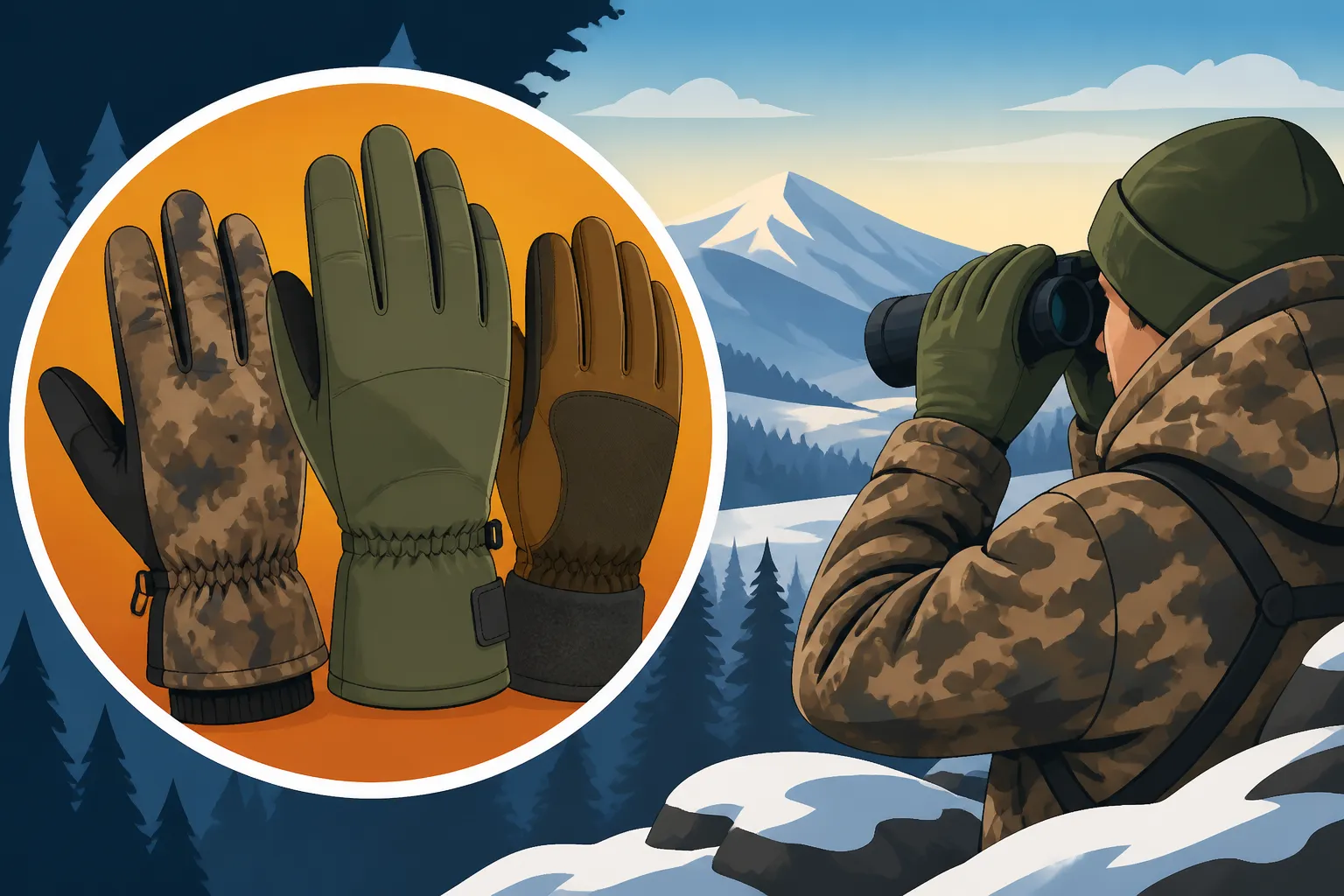
Best Gloves for Cold-Weather Glassing
There's nothing quite like that crisp, cold New Hampshire air on an early morning hunt. You’ve settled into your spot, maybe on a ridge overlooking a beaver flowage or tucked into a stand of pines, and you're ready to glass for movement. But then it hits: that gnawing, bone-chilling cold seeping into your fingertips, making it impossible to hold your binoculars steady, adjust the focus, or even pinch a rangefinder button. Cold hands don't just feel miserable; they actively sabotage your ability to hunt effectively. This guide is all about tackling that exact frustration, helping you find the absolute best gloves to keep your hands warm and functional, even when the Granite State throws its coldest weather at you.
The Frustration of Cold Hands While Glassing
We've all been there. You're out in the field, maybe it’s a late-season deer hunt in December, or an early morning in October scouting for moose sign in the North Country. You've got your thermos of coffee, your layers are dialed in, and you're feeling good – until you try to use your optics. Suddenly, your fingers feel like frozen nubs, fumbling with the focus wheel, or worse, refusing to grip your binoculars at all. It's more than just discomfort; it's a genuine impediment to your success, turning a crucial scouting or hunting technique into a miserable chore.
Why Cold Hands Sabotage Your Hunt
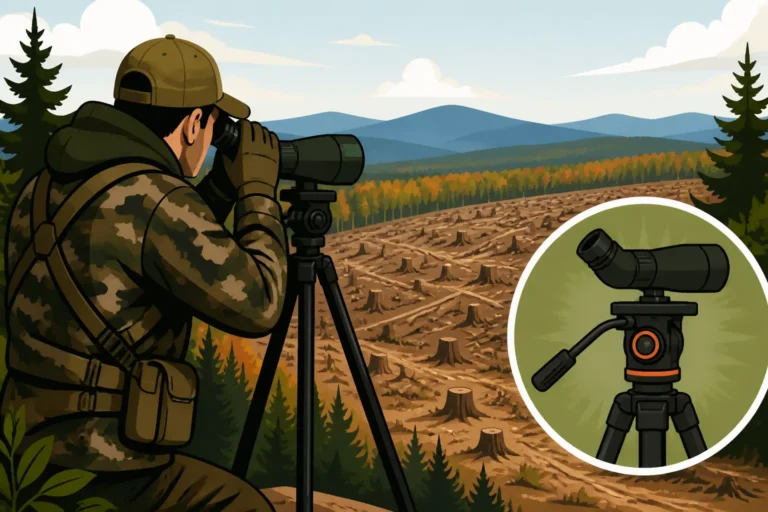
Imagine you're glassing a distant clear-cut, patiently scanning for the tell-tale flicker of an ear or the horizontal line of a deer's back against the vertical trees. Your hands are bare, or perhaps you're wearing thin gloves that aren't quite cutting it. As the cold bites deeper, your fine motor skills start to degrade. Your hands tremble slightly, making it hard to hold your binoculars still for an extended period. When you finally spot something, you might struggle to adjust the focus quickly, losing precious seconds as the animal moves into cover.
Beyond the physical dexterity, there's a mental toll. The sheer discomfort of freezing hands becomes a constant distraction. Instead of focusing 100% on the terrain and potential game, a part of your mind is consumed by the burning ache in your fingers. This can lead to impatience, less thorough glassing, and ultimately, missed opportunities. It's a classic hunter's dilemma: you need to be able to manipulate gear, but you also need serious warmth. It's a balance we constantly chase, especially here in New Hampshire.
Understanding New Hampshire's Cold-Weather Challenges
New Hampshire's hunting seasons often extend well into the colder months, from the crisp autumn mornings of early archery season to the deep freeze of late muzzleloader hunts. Whether you're hunting the White Mountains High Country or the lower elevations closer to the coast, the cold here isn't just a number on a thermometer; it's often accompanied by biting winds, especially on exposed ridges, and dampness that chills you to the bone.
For example, when you're Hunting the North Country for moose in late October, you might encounter mornings with temperatures well below freezing, coupled with a damp fog rolling off a bog. Or, if you're still-hunting timber in November, the wind whistling through the bare branches can create a wind chill that makes 20 degrees feel like zero. These aren't conditions where flimsy gloves will cut it. You need gear that's built for sustained exposure, not just a quick dash from the truck. The ability to switch seamlessly between glassing with precision and maintaining core warmth is critical, and good handwear is often the weakest link in a hunter's cold-weather system.
Key Features to Look for in Glassing Gloves
When you’re trying to pick out the perfect pair of gloves for cold-weather glassing, it’s not just about throwing on the thickest thing you can find. That might keep you warm, but it'll make manipulating your binoculars or rangefinder feel like trying to tie a shoelace with oven mitts on. We need to consider a careful balance of warmth, dexterity, and protection against the elements.
Material Matters: Insulation and Dexterity
The core of any good cold-weather glove is its insulation. You're looking for materials that trap warmth effectively without adding excessive bulk. Options like synthetic insulations (often proprietary blends from brands you'll see in outdoor gear) or natural fibers like merino wool and down are popular. Synthetics tend to perform well even when damp, which is a big plus in New Hampshire's unpredictable weather. Merino wool offers excellent warmth-to-weight ratio, breathability, and natural odor resistance, which is always a bonus when you're sweating under layers during a hike to your stand.
However, insulation is only half the battle. Dexterity is paramount for glassing. You need to be able to feel the knurled focus wheel on your binoculars, press the firing button on your Rangefinders for New Hampshire's White Mountain Ridge Shots, and maybe even quickly retrieve a small item from your pack. This often means choosing gloves that aren't overly puffy, or looking for designs that offer thinner, more form-fitting materials on the palm and fingers. Sometimes, a thin, highly dexterous liner glove made of merino wool or a performance synthetic can make a huge difference, allowing you to remove a bulkier outer glove for quick tasks without exposing your bare skin to the biting cold.
Weather Protection: Wind and Water Resistance
New Hampshire weather can turn on a dime, especially in the mountains. A calm, cold morning can quickly become a blustery, damp afternoon. Wind is the enemy of warmth, slicing through poorly constructed gloves and stripping away your body heat. Look for gloves with a windproof membrane or shell material. Many modern gloves incorporate Gore-Tex or similar proprietary wind-blocking and waterproof technologies that are a lifesaver when you're trying to stay put and glass during a nasty squall.
Water resistance is equally important. Even if it's not actively raining or snowing, dampness from melting frost, clinging to branches, or even sweat from an uphill climb can soak into lesser gloves, rendering their insulation useless. A glove that sheds water will keep your hands dry and warm, allowing you to maintain focus. While fully waterproof gloves might be overkill for every glassing scenario, having at least a water-resistant outer shell is crucial for staying comfortable and effective in varying New Hampshire conditions.
Design Considerations: Fit, Grip, and Finger Access
The fit of a glove is incredibly personal, but generally, you want a snug fit that allows for good blood circulation without being so tight that it restricts movement. Too loose, and you lose heat and dexterity; too tight, and you cut off blood flow, making your hands colder faster. Pay attention to the cuff design too – a longer cuff that can go over or under your jacket sleeve will help prevent cold air and snow from sneaking in.
A good grip on the palm and fingers is non-negotiable for holding Binoculars for Glassing a North Country Bog steady. Look for gloves with silicone dots, textured synthetic materials, or even leather/suede patches in these areas. This enhanced grip prevents your expensive optics from slipping, especially when your hands are cold or the equipment is damp.
Finally, consider finger access. This is where glassing gloves really differentiate themselves. Many hunters opt for convertible mittens – a mitt that can fold back to expose bare fingertips or a thinner inner glove when you need maximum dexterity. Others prefer gloves with touch-screen compatible fingertips, which is a nice feature if you’re using your phone for a mapping app like onX Layers for New Hampshire Land Status or checking the weather quickly. The key is finding a design that allows you to quickly go from maximum warmth to maximum precision.
Types of Gloves for Different Glassing Scenarios
Choosing the right handwear for glassing in New Hampshire isn't a one-size-fits-all situation. The perfect pair for a mild archery morning might leave your fingers screaming on a frigid December afternoon. It’s all about matching the glove type to the specific conditions and your personal tolerance for cold.
Lightweight and Dexterous Options for Milder Cold
For those crisp but not brutally cold days, like early October during Hunting New Hampshire's Archery Season Into December or a brisk late September morning, lightweight and highly dexterous gloves are often the ticket. These are typically thinner, form-fitting gloves made from merino wool, fleece, or synthetic blends. Their primary purpose isn't extreme warmth, but rather a layer of protection against the chill that still allows for near-barehand dexterity.
Think about situations where you're actively moving, perhaps still-hunting through the timber, and then stopping periodically to glass a promising area. You need to be able to nock an arrow, manipulate a rifle safety, or adjust a pack strap without fumbling. These gloves provide just enough warmth to keep the edge off the cold, preventing your hands from stiffening up, but don’t add bulk. Many hunters use these as a standalone glove for milder conditions or as a crucial liner under a heavier outer glove or mitt when the mercury really drops. When you need to quickly look at your GoHunt app for satellite imagery or mark a waypoint, these types of gloves allow that without having to strip down to bare skin.
Insulated Mitts and Convertible Styles for Extreme Cold
When New Hampshire brings out its serious cold, particularly during the late firearms season or into the Hunting Into the December Muzzleloader Close, you need to step up your handwear game. This is where insulated mitts and convertible styles truly shine. A full mitt is simply warmer than a five-fingered glove because your fingers can share warmth, and there's less surface area exposed individually to the cold. Modern mitts are often heavily insulated with down or high-loft synthetics and feature windproof and water-resistant shells.
The challenge with traditional mitts is, of course, dexterity. That's why many hunters lean towards convertible mitts. These often have a flap over the fingers that can be pulled back and secured, exposing your fingertips or a thinner inner glove, allowing you to operate your optics, trigger a rangefinder, or even handle a cartridge. When you're done glassing, you simply flip the flap back over for instant warmth. Some popular designs also feature a separate index finger and thumb, providing a bit more dexterity than a full mitt while still offering superior warmth compared to a five-fingered glove. This style is especially useful if you're in a fixed position, like a treestand, where sustained warmth is critical but you still need to be ready to act.
Specialty Gloves for Optics Use
Beyond general hunting gloves, there are also specialized designs tailored specifically for working with optics in cold weather. These often combine elements from both dexterity-focused and warmth-focused gloves. For instance, you might find gloves with very thin, grippy material on the palm and fingers to maintain feel, while the back of the hand and wrist are heavily insulated. Some designs feature pockets on the back of the hand for chemical hand warmers, providing an extra boost of heat right where you need it most.
Another consideration for serious glassing is an integrated optical accessory loop or clip. While not standard on all gloves, some higher-end models might offer small loops or attachment points, allowing you to secure lens caps or even clip a small cleaning cloth, keeping essential optics accessories at hand without fumbling in pockets. When you're Still-Hunting White Mountain National Forest Timber and constantly stopping to scan, every little bit of efficiency helps. These gloves acknowledge the specific needs of a hunter spending extended periods behind glass, aiming to minimize the frustrations of cold hands while maximizing your ability to spot game.
Here's a quick comparison of glove types for cold-weather glassing:
| Glove Type | Primary Benefit | Ideal Conditions | Dexterity | Warmth | Key Features |
|---|---|---|---|---|---|
| Liner Gloves | Maximum Dexterity | Mild cold, layering | Excellent | Low | Thin material (merino, synthetic), snug fit |
| Lightweight Gloves | Good Dexterity & Light Warmth | Moderate cold, active hunting | Good | Medium | Fleece, thinner synthetic, often touch-screen compatible |
| Convertible Mitts | Versatile Warmth & Dexterity | Variable cold, glassing/waiting | Fair-Good | High | Fold-back mitt, exposed fingers/liners |
| Insulated Mitts | Maximum Warmth | Extreme cold, stationary glassing | Low | Excellent | Thick insulation (down/synthetic), wind/waterproof |
| Shooting Gloves | Trigger Finger Dexterity | Milder cold, precise manipulation | Good | Low-Medium | Form-fitting, often thin index finger, durable palm |
Real-World Tips for Keeping Your Hands Warm While Glassing
Having the right gloves is a huge step, but it’s not the only piece of the puzzle. Just like Layering for New Hampshire's Cold Hunting Season for your core, your hands benefit from a system approach. Integrating your handwear with smart strategies can make all the difference between numb fingers and comfortable, functional hands when you're glassing for hours.
Layering Your Handwear
The concept of layering isn't just for your torso; it's incredibly effective for your hands too. This is especially true when you need both warmth and the ability to perform fine motor tasks. Start with a thin, wicking liner glove. Merino wool or a lightweight synthetic liner works wonders. This base layer provides a surprising amount of warmth, wicks away sweat, and, crucially, gives you a protective barrier if you need to briefly shed your outer glove for maximum dexterity.
Over this liner, you'll wear your primary glove or mitt. For instance, on a really cold day, you might have a thin merino liner under a beefy convertible mitt. When you need to adjust your Optics for New Hampshire's Timber Country, you can pull back the mitt flap, and your fingers are still covered by the liner, preventing immediate exposure to the biting wind. This two-layer approach allows for incredible versatility: full warmth with the mitt closed, moderate dexterity with the liner, and full dexterity if you peel back the liner too (but hopefully only for very brief moments).
Think about a morning when you're trying to Glassing a Bog for a Bull Moose. You start bundled up, but as the sun rises and you get closer to your target, you might need to make small adjustments. A layered approach lets you adapt without completely freezing your digits.
Integrating Hand Warmers and Strategic Movement
Sometimes, even the best gloves need a little help, especially when you're sitting stationary for extended periods. Chemical hand warmers are an absolute lifesaver. Slip them into dedicated pockets in your gloves or mitts, or simply place them in the palm area. The steady, radiant heat they provide can make a massive difference in maintaining circulation and preventing that deep chill from setting in. Remember to activate them a bit before you get into your spot so they're already warm.
Beyond hand warmers, don't underestimate the power of strategic movement. Even small movements can help. Clenching and unclenching your fists inside your gloves can stimulate blood flow. If you're in a stand or blind, try doing some subtle arm circles or swinging your arms gently. When you're transitioning between glassing spots, keep your hands tucked in your pockets or inside your jacket.
If you find yourself getting truly cold, it's often a sign that your core temperature is dropping. Make sure your other layers are adequate, perhaps adding an Insulated Layers for a December Muzzleloader Hunt underneath your shell. Standing up, walking around for a few minutes (if the situation allows), or even doing a few discreet jumping jacks can get the blood flowing throughout your entire body, including your hands. Just like with Cold-Weather Sitting Strategy in the North Country, staying warm is about a proactive, holistic approach to combatting the elements, not just a single piece of gear. When you utilize resources like GoHunt for pre-hunt weather analysis and terrain scouting, you can better anticipate the conditions and pack the most effective handwear, ensuring you're always one step ahead of the cold.
Disclaimer
This article is for general informational purposes only and does not constitute professional advice. Laws, prices and regulations vary by location and change over time. Consult a qualified professional for guidance on your specific situation.