Tuning a Bow for Broadhead Flight
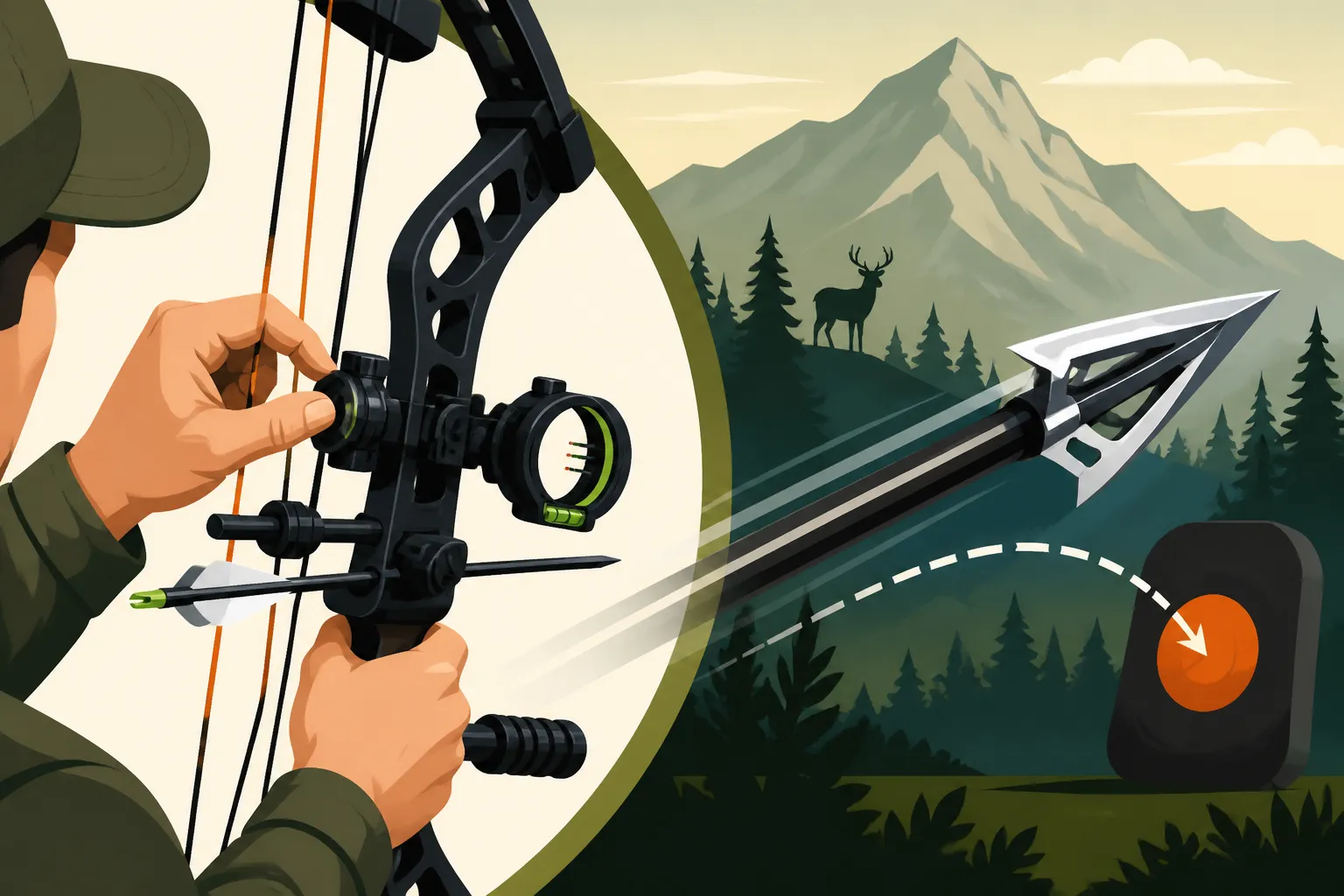
There’s nothing quite like the excitement of archery season here in New Hampshire. You’ve put in the range time, honed your form, and finally feel ready to hit the timber. But then, a few weeks before opening day, you screw on your broadheads, take a shot, and watch in dismay as your arrow veers off course, totally ruining your tight field point groups. That feeling of frustration, of all your hard work potentially going to waste because of unpredictable flight, is something every bowhunter has experienced. This guide is here to walk you through the essential steps to make sure your broadheads fly just like your field points, giving you the confidence you need when that shot opportunity finally presents itself.
Why Broadhead Tuning is Crucial for New Hampshire Hunters
You might think, "It's just a few yards, how much difference can it make?" But when you're hunting white-tailed deer in New Hampshire's dense woodlands or negotiating a shot through a narrow lane of pines, every inch of accuracy counts. A broadhead that doesn't fly true isn't just a minor annoyance; it's a potential ethical dilemma and a heartbreaking missed opportunity.
The Frustration of Poor Flight and Missed Opportunities
Imagine sitting in your treestand on a crisp October morning, a perfect buck saunters into your shooting lane at 25 yards. You draw back, settle your pin, release, and watch your arrow inexplicably sail wide of the mark. The sound of a deer crashing through the brush, unharmed but spooked, leaves you with a sinking feeling. This scenario plays out far too often for hunters who neglect broadhead tuning. Whether it's a fixed-blade broadhead "planing" in the wind or a mechanical broadhead not deploying consistently due to poor arrow flight, the result is the same: a clean miss or, even worse, a non-lethal hit. In the varied terrain of the Granite State, from the dense undergrowth of the southern regions to the more open timber of the North Country, having absolute confidence in your arrow's flight path is paramount. There are few things more frustrating than knowing you did everything right on the shot, only for your equipment to let you down.
Understanding the Impact of Arrow and Broadhead Dynamics
The arrow and broadhead combination is a complex system, and any imbalance can lead to unpredictable flight. Field points are aerodynamic and forgiving; broadheads, especially fixed-blade designs, introduce significant drag and torque. The small blades on a fixed broadhead act like tiny wings, catching the air and exaggerating any imperfection in your bow's tune or your arrow's spine. Mechanical broadheads, while more forgiving in flight before deployment, still require a well-tuned bow to ensure they open reliably and impact where intended.
Your arrow's spine, which is its stiffness, must be correctly matched to your bow's draw weight and length. An arrow that is too stiff or too weak will flex incorrectly out of the bow, causing it to "fishtail" or "porpoise" in flight. Fletching also plays a critical role, stabilizing the arrow. The amount of helical or offset on your fletching helps correct minor flight imperfections. Understanding these dynamics is key to achieving consistent broadhead flight. Resources like those found on GoHunt can offer fantastic visual aids and in-depth articles on arrow spine charts and fletching mechanics to really dive deep into the technical side of things. Proper arrow flight is foundational for ethical hunting, ensuring quick, clean harvests when Hunting the Rut in Early-to-Mid November or any other part of the season.
Essential Steps to Nailing Your Broadhead Tune
Broadhead tuning isn't a dark art; it's a systematic process that requires patience and attention to detail. Don't rush it, and be prepared to make small, incremental adjustments. Think of it as building confidence, shot by shot.
Verifying Your Paper Tune First
Before you even consider screwing on a broadhead, you absolutely must ensure your bow is paper tuned with field points. Paper tuning is a diagnostic tool that shows you exactly how your arrow is leaving the bowstring. You'll set up a paper tuning rack about 5-10 feet in front of your target.
To do this:
- Set Up: Place a large sheet of paper (butcher paper works great) firmly in a frame, about waist height.
- Shoot: Stand about 5-6 feet from the paper and shoot a few arrows with field points through it.
- Read the Tear: Examine the tear in the paper.
- Perfect Tear: A small, clean hole with three fletching cuts evenly spaced around it. This is the goal.
- High Tear: The arrow is exiting nock-high (tail of the arrow is high). You might need to move your arrow rest down slightly or raise your nocking point.
- Low Tear: The arrow is exiting nock-low (tail of the arrow is low). Move your arrow rest up slightly or lower your nocking point.
- Left Tear (for right-handed shooter): The arrow is exiting nock-left. This could mean your arrow rest is too far to the right, your cam lean is off, or your spine is too stiff. Adjust your rest to the left.
- Right Tear (for right-handed shooter): The arrow is exiting nock-right. This could mean your arrow rest is too far to the left, your cam lean is off, or your spine is too weak. Adjust your rest to the right.
Make tiny adjustments, shoot again, and observe the changes. Keep at it until you achieve that perfect tear. This foundational step ensures your arrow is leaving the bow cleanly, which is paramount for broadhead stability. It's often the first thing experienced bowhunters check if they're struggling with broadhead flight, even after all the other tuning steps.
Bare Shaft Tuning and Walk-Back Tuning
Once your bow is paper-tuned, you can move on to bare shaft and walk-back tuning, which further refine your setup for dynamic spine and horizontal nock travel.
Bare Shaft Tuning: This technique tells you how consistently your arrow is performing without the influence of fletching.
- Preparation: Take a fletched arrow and an identical bare shaft (no fletching, same weight field point).
- Shooting: From about 20 yards, shoot the fletched arrow, then the bare shaft at the same spot on the target.
- Analysis:
- If the bare shaft impacts to the left of the fletched arrow (for a right-handed shooter), your arrow spine might be too stiff, or your rest is too far out.
- If the bare shaft impacts to the right, your arrow spine might be too weak, or your rest is too far in.
- Vertical differences (high or low) indicate nocking point issues.
- Adjustment: Make minute adjustments to your rest or nocking point until the bare shaft groups with the fletched arrow. This step confirms that your arrow's dynamic spine is matched to your bow.
Walk-Back Tuning: This method refines the horizontal aspect of your tune and is excellent for confirming consistent nock travel across different distances.
- Setup: Place a vertical strip of tape on your target butt.
- Shooting: Stand at 20 yards and shoot an arrow at the top of the tape. Then, without adjusting your aiming point, walk back to 30, 40, and 50 yards, shooting an arrow at the tape each time.
- Observation: All arrows should ideally impact directly below each other, forming a perfectly straight vertical line on the tape.
- Correction: If your arrows drift left or right as you move back, it indicates an issue with cam lean or horizontal rest position. Adjust your rest or yokes (if your bow allows) until the line is true. Many bow manufacturers, and sites like GoHunt, provide excellent tuning guides that show common tear patterns and recommended adjustments. This attention to detail is what makes a successful season, whether you're deer hunting or even pursuing Small Game and Predator Hunting in New Hampshire.
Fine-Tuning with Broadheads and Field Points
This is where the rubber meets the road. All the previous steps were about getting your bow and arrow to perform optimally with field points. Now, we introduce the broadhead and see if the tune holds true.
The Field Point vs. Broadhead Impact Test
The ultimate test of a perfectly tuned bow is whether your broadheads and field points impact the same spot at various distances. This isn't just about grouping; it's about congruence.
- Prepare Your Arrows: Fletch half of your arrows with field points and the other half with your chosen broadheads. Make sure they are all the same weight.
- The Test at 20 Yards: Start at 20 yards. Shoot a field point, then a broadhead, then another field point, then another broadhead, alternating to ensure consistency. Do they hit the same spot? If not, make minute adjustments to your arrow rest. If the broadhead hits left, move your rest slightly to the left. If it hits right, move your rest slightly to the right. Small, quarter-turn adjustments are often all that's needed.
- Extend the Range: Once they group identically at 20 yards, repeat the process at 30, then 40, and even 50 yards if you plan to shoot that far while hunting. A good tune will show field points and broadheads consistently impacting together across all reasonable hunting distances. If you notice vertical separation, revisit your paper tune or nocking point. If horizontal separation reappears at longer distances, it’s likely a subtle cam lean issue or a slight spine mismatch that wasn't fully corrected during bare shaft tuning.
This step is critical for building confidence in your setup for Bowhunting New Hampshire's Long Archery Season. You can't afford to wonder if your broadhead is going to fly differently than your practice points when a trophy buck is standing broadside.
Addressing Common Broadhead Flight Issues
Even after meticulous tuning, you might still encounter some stubborn broadhead flight issues. Don't despair; many problems have common solutions.
- Planing or Erratic Flight: This is most common with fixed-blade broadheads and often indicates either an overall poor tune (revisit paper/bare shaft tuning) or a broadhead that is simply too aggressive for your current setup. Sometimes, a different fletching configuration (more helical, slightly larger fletching) can help stabilize a stubborn broadhead. Ensure your fletchings are in perfect condition; a damaged vane can cause wild flight.
- Consistent Left/Right Impact: If your broadheads consistently hit left or right of your field points despite rest adjustments, consider cam lean. Many modern bows allow for small adjustments to the cam position to correct this. A slight lean can cause the arrow to push off the rest inconsistently. You might also want to double-check your arrow spine for your specific bow and broadhead weight. Sometimes, a slightly heavier or lighter arrow, or one with a different spine rating, can make all the difference. GoHunt forums are often filled with experienced hunters sharing tips for these exact kinds of persistent issues.
- Broadhead Wobble: Before even shooting, spin-test every broadhead on every arrow. Place the nock end of your arrow on a flat surface and spin the arrow, observing the broadhead tip. If it wobbles even slightly, it indicates a bent insert, a bent arrow shaft, or a broadhead that isn't perfectly straight. Replace the offending component immediately; a wobbling broadhead will never fly true. This simple check can prevent a lot of headaches later on. Knowing your equipment is performing its best helps tremendously when you're making a calculated shot on a deer in a Clear-Cut Regrowth Edge.
Pre-Season Prep and Maintenance for Consistent Flight
Tuning isn't a one-and-done affair. It’s an ongoing process, especially in New Hampshire’s diverse and sometimes challenging hunting environments. Regular checks and maintenance are vital.
Checking Your Equipment Regularly
Before heading out for Hunting New Hampshire's Archery Season Into December, make it a habit to inspect your entire bow setup. Our New England weather, with its drastic temperature swings, humidity, and occasional downpours, can be tough on gear.
- Strings and Cables: Look for fraying, serving separation, or any signs of wear. Worn strings can stretch and affect cam timing, throwing your tune off. A consistent bow press check by a pro shop can ensure cam timing and synchronization are spot on.
- Arrow Rest: Ensure it's not loose, bent, or damaged. The slightest play in your arrow rest can introduce inconsistencies. Check that all screws are tight and the launcher (if it's a drop-away) is functioning smoothly and quietly.
- Fletching and Nocks: Fletchings can get creased or torn, especially if your arrows bump together in a quiver or you brush against thick cover. Missing or damaged fletching will severely impact broadhead flight. Replace them immediately. Check your nocks for cracks or damage; a nock that doesn't fit snugly or is cracked can cause erratic flight.
- Arrows: Beyond spin-testing broadheads, flex your arrow shafts to check for any bends or damage that might not be visible at a glance. Even a slight imperfection can lead to a flyer. Consider the conditions you hunt in; a muddy fall or a cold snap in December can wreak havoc on equipment if not properly cared for. Best Arrow Weight for New Hampshire Deer is a good read if you're considering new arrows.
Practice, Practice, Practice with Your Hunting Setup
All the tuning in the world won't matter if you don't practice consistently with the exact setup you'll be hunting with. This means broadheads. Too many hunters practice only with field points, only to discover a flaw in their broadhead flight on opening day.
- Broadhead Practice: Dedicate specific practice sessions to shooting your broadhead-tipped arrows. This builds muscle memory for their specific flight characteristics and helps you maintain confidence. You'll likely need a dedicated broadhead target, as they will chew up foam targets designed for field points.
- Realistic Scenarios: Don't just shoot from a flat range. Practice from your treestand, simulating the angles and body contortions you might encounter while Hanging a Stand on a Granite Ridge. Practice shooting from your knees or sitting down, as you might if using a ground blind. If you hunt public land, consider setting up a portable target in a safe, legal area to practice shooting under different conditions. The more you simulate real hunting scenarios, the better prepared you'll be when the opportunity arises in the wild. A consistent shooting routine, coupled with a perfectly tuned bow, will drastically increase your odds of a successful and ethical harvest. Many hunters track their shots and equipment changes using online tools or apps, and GoHunt offers some great resources for logging practice sessions and tracking equipment performance over time.
| Broadhead Type | Pros | Cons | Tuning Considerations |
|---|---|---|---|
| Fixed Blade | Extremely durable, reliable penetration | More sensitive to bow tune, prone to "planing" | Requires meticulous bow tuning (paper, bare shaft). Larger blade surface exaggerates inconsistencies. Spin test critical. |
| Mechanical | Field point-like flight, large cutting diameter | Can be less durable, potential for non-deployment, energy loss | More forgiving on tune, but still requires good foundational tune for consistent deployment. Check blade retention. |
Disclaimer
This article is for general informational purposes only and does not constitute professional advice. Laws, prices and regulations vary by location and change over time. Consult a qualified professional for guidance on your specific situation.