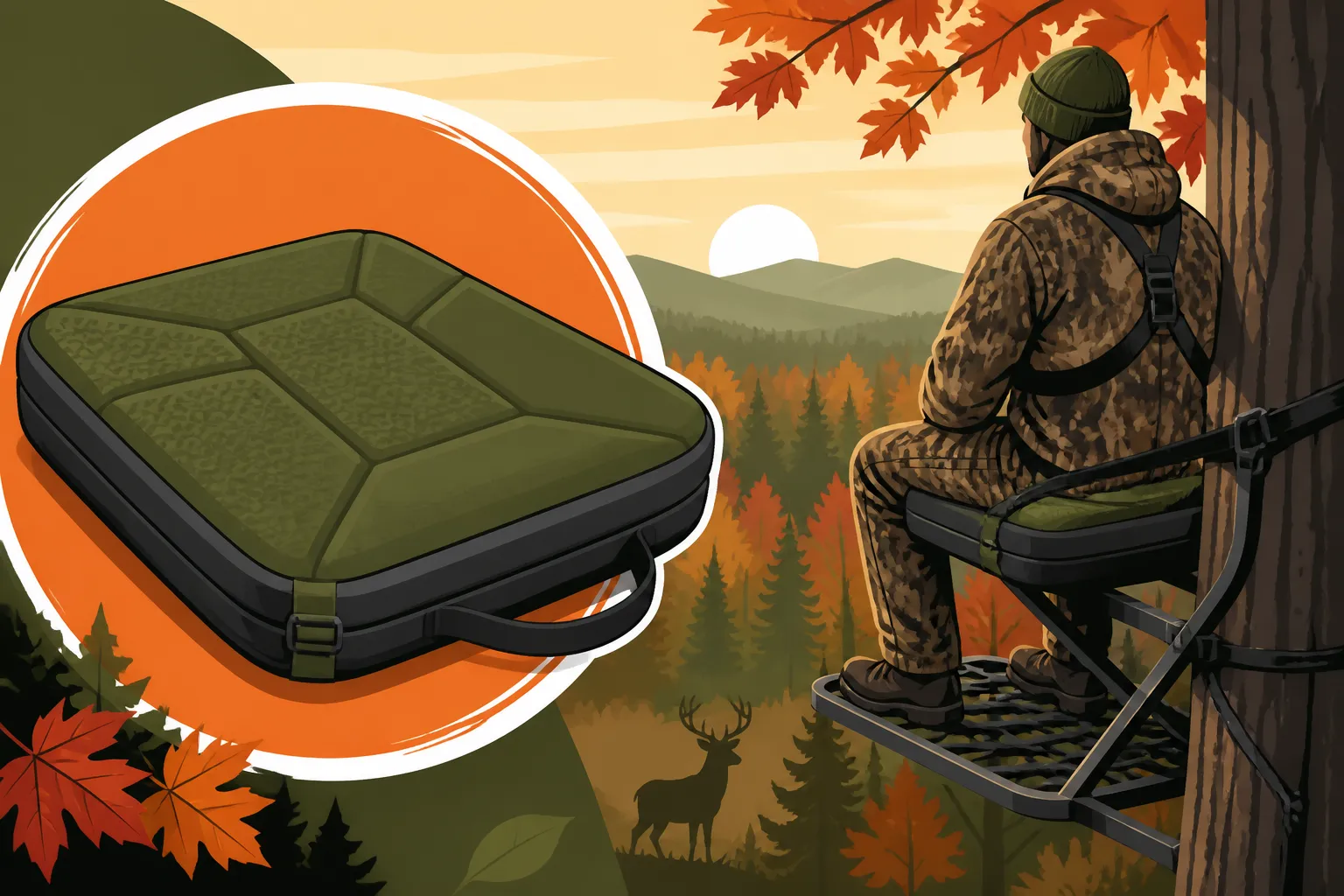
Best Seat Cushion for a Long Treestand Sit
There's nothing quite like the crisp air of a New Hampshire autumn morning from your treestand, but that picturesque view can quickly turn into a grueling endurance test if your backside isn't happy. Many hunters overlook the humble seat cushion, often seeing it as an afterthought, but trust me, after years of numb hindquarters and fidgety sits, I can tell you it's one of the most critical pieces of gear for comfort, focus, and ultimately, success. This guide is all about helping you find the perfect companion for those long hours aloft, ensuring you stay comfortable and ready for that deer of a lifetime.
Why a Great Seat Cushion is Non-Negotiable for New Hampshire Treestand Hunters
Sitting still for hours on end, often in cold or damp conditions, is a core part of treestand hunting. Without adequate support and insulation, what starts as a peaceful morning can quickly devolve into an exercise in misery. This isn't just about feeling cozy; it directly impacts your hunting effectiveness and even your long-term health.
The Silent Battle Against Discomfort
We've all been there: that creeping numbness, the burning sensation, the involuntary shifts and wiggles that send vibrations through your stand and the tree. A hard, cold treestand platform, even with a thin factory pad, simply isn't designed for sustained comfort. As the hours tick by, poor circulation sets in, your muscles stiffen, and all you can think about is getting down. This constant mental battle against discomfort pulls your attention away from the subtle sounds of the woods and the delicate flick of a deer's ear. You're no longer fully immersed in the hunt; you're just trying to survive the sit.
Imagine you've been on stand since before first light, waiting patiently on a cold November morning for that elusive buck. Suddenly, your foot goes to sleep, or a sharp pain starts in your tailbone. You instinctively shift, perhaps scrape your boot, or worse, make a creaking noise with the stand. That slight sound, a result of your body's protest, could be enough to send a wary whitetail bolting before it even enters shooting range. It's a frustrating scenario, one that a proper seat cushion can largely prevent by providing the support and insulation needed to remain motionless for extended periods.
Maintaining Stealth and Focus When It Matters Most
Hunting requires an immense amount of focus, patience, and stealth. Every rustle, every movement, every moment of inattention can cost you an opportunity. When you're constantly fidgeting, trying to alleviate pressure points or warm a frozen rear, you're inherently less stealthy. Those small movements, unconsciously made, are amplified in the quiet woods and can be easily detected by game. A comfortable hunter is a still hunter, and a still hunter is a more successful hunter.
Think about glassing a clear-cut or watching a logging road for movement. If your concentration is broken every few minutes by discomfort, you're going to miss details – the subtle twitch of an ear, the faint outline of a deer through the timber, or a slight scrape line along the edge. A good cushion allows you to settle in, become one with your stand, and truly absorb your surroundings, improving your chances of spotting game before it spots you. It lets you direct all your mental energy towards the hunt, rather than towards your aching body. Many seasoned hunters will tell you that the right gear, like a quality cushion, is an investment in your success, allowing you to maximize your time on stand without compromising your hunting efforts. When I'm in my stand, the last thing I want to worry about is being uncomfortable.
Protecting Your Body for Seasons to Come
Beyond immediate comfort and stealth, a high-quality seat cushion also contributes to your long-term well-being as a hunter. Repeated exposure to cold, hard surfaces can lead to various aches and pains, particularly in your lower back, hips, and tailbone. This is especially true for those enduring the late-season chills during Hunting the December Archery Close or the raw cold of the muzzleloader season. Investing in a good cushion is an investment in your ability to continue hunting comfortably for years to come.
Proper support helps maintain better posture, reducing strain on your spine and muscles. Good insulation prevents the chilling cold from seeping into your core, which can not only be uncomfortable but can also contribute to stiffness and muscle cramps. It's about proactive self-care in the field, ensuring that each hunting season doesn't leave you feeling more battered than necessary. Nobody wants to hobble out of the woods with a sore back after a long day in the stand, and a decent cushion is a frontline defense against those kinds of discomforts.
What to Look for in a Treestand Cushion Built for New Hampshire's Demands
New Hampshire weather can be notoriously unpredictable, swinging from mild autumn days to bone-chilling cold, often with a side of dampness. Your seat cushion needs to stand up to these conditions while providing unwavering support.
Materials That Conquer Cold and Wet Weather
The material of your cushion is paramount. For New Hampshire, you need something that offers excellent insulation, resists moisture, and can handle the rough and tumble of backcountry hunting. Closed-cell foam is a popular choice for good reason. It doesn't absorb water, making it perfect for damp mornings or unexpected showers. Look for high-density varieties that won't pack down quickly. Brands often use proprietary foam blends designed for superior insulation and durability, even on frigid days when you're employing a Cold-Weather Sitting Strategy in the North Country.
Some cushions incorporate gel or air bladders, which can offer incredible pressure relief, conforming to your body shape. However, be mindful that gel can get cold, and air bladders can be susceptible to punctures, though many modern designs are quite robust. Outer fabrics should be durable, quiet, and ideally, water-resistant. Think rugged Cordura or similar synthetic materials that can withstand snags and brush. A non-slip bottom is also a huge plus, keeping the cushion securely in place on your stand, especially if you're navigating steep terrain or setting up on a Hanging a Stand on a Granite Ridge.
The Right Thickness and Density for Sustained Support
There's a delicate balance to strike between thickness, density, and portability. A cushion that's too thin, no matter how advanced its material, won't provide adequate relief over several hours. Conversely, one that's too thick might raise you too high in your stand, affecting your shooting posture or making you feel unstable. Generally, a thickness of 2 to 4 inches is a good starting point for serious comfort.
Density refers to how much the material resists compression. A cushion that feels great for the first hour but then flattens out like a pancake isn't doing its job. High-density foam or well-designed gel/air systems maintain their loft and support throughout your entire sit, preventing those painful pressure points from developing. You want a cushion that cradles you, not one that you sink right through. Consider your body weight too; heavier hunters will benefit from denser materials that offer more robust support.
Portability, Attachment, and Silent Operation
A fantastic cushion is useless if it's a pain to get to your stand. Look for options that are reasonably lightweight and can be easily strapped to your pack. Many cushions come with integrated straps or buckles that allow them to be rolled up or folded for compact transport. This is especially important if you're hiking into remote spots or often find yourself covering ground on foot.
Attachment mechanisms are also crucial. You don't want your cushion slipping or falling off your stand when you need to move quickly or readjust. Secure straps, buckles, or even magnets can ensure your cushion stays exactly where you put it. The goal is a firm, stable base for your sit. Finally, and this is a big one for stealth, ensure the cushion is quiet. Any squeaks, crinkles, or rustles when you shift your weight could spell disaster. Test it out beforehand, mimicking slight movements you might make in a stand. Silence truly is golden in the deer woods. It's why many hunters, myself included, often refer to resources like GoHunt to check out user reviews for quiet gear before making a purchase.
Different Cushion Types: Finding Your Perfect Perch for the Granite State
Just like there are different types of stands for different hunting situations, there are various types of cushions, each with its own advantages and disadvantages. Understanding these can help you narrow down the best choice for your New Hampshire adventures.
Traditional Foam Cushions: Lightweight and Accessible
These are arguably the most common and often the most affordable type of treestand cushion. Made typically from closed-cell foam, they excel in being lightweight and water-resistant. Because closed-cell foam doesn't absorb moisture, they're excellent for damp conditions, and they provide a good barrier against the cold emanating from a metal stand. They're easy to strap to a pack, and their simplicity means fewer parts to break or malfunction in the field.
However, foam cushions can vary widely in quality. Cheaper versions tend to be less dense and will pack down quickly, losing their supportive qualities over long sits. They might also not offer the same level of pressure relief as more advanced options. If you opt for a foam cushion, invest in a high-density, thicker model from a reputable brand to ensure it maintains its loft and insulative properties throughout the season. These are fantastic for a hunter who prioritizes portability and straightforward functionality, especially if they are often on the move or using a Best Climbing Stand for New Hampshire Hardwoods where weight is a primary concern.
Gel and Air Cushions: Advanced Comfort and Pressure Relief
For hunters seeking the ultimate in comfort and pressure point relief, gel or air-filled cushions are often the go-to. Gel cushions, as the name suggests, contain a layer of gel that conforms to your body, distributing weight evenly and reducing hot spots. This can make a significant difference in staying comfortable and still for hours on end. Air cushions, sometimes inflatable, allow you to adjust the firmness by adding or releasing air, providing a customized level of support. This adjustability is a huge plus, allowing you to fine-tune your comfort on the fly.
The trade-offs? Gel cushions can be heavier than foam and may feel colder in very low temperatures as the gel retains the ambient cold. Air cushions, while often lighter and highly packable when deflated, carry the inherent risk of puncture. Though most are built with durable materials, a thorny branch or a sharp edge on your stand could compromise its integrity. They also can sometimes make subtle noises as the air shifts, which requires careful testing in a quiet environment before heading into the woods. These are best for hunters who prioritize maximum comfort and are willing to manage the slight increase in weight or the minor risks associated with advanced designs.
Hybrid and Specialty Designs: Combining the Best of Both Worlds
Recognizing the strengths and weaknesses of individual materials, many manufacturers now offer hybrid cushions that combine elements for optimal performance. You might find cushions with a foam core for structure and insulation, topped with a gel layer for pressure relief, or an air bladder within a foam casing for both customizable support and puncture protection. These designs aim to offer the best of multiple worlds: good insulation, superior comfort, and reasonable durability.
Specialty cushions might also include features like contoured shapes to better fit the human anatomy, integrated lumbar support, or even small, battery-powered heating elements for extreme cold. These can significantly enhance comfort, especially during frigid late-season hunts where Layering for New Hampshire's Cold Hunting Season is already pushed to its limits. When considering these, factor in any added weight or bulk, and if they require batteries, ensure you have a reliable power source for your extended sits. They often come with a higher price tag but can be a worthwhile investment for the dedicated hunter who demands top-tier performance.
Here's a quick comparison of common cushion types:
| Cushion Type | Pros | Cons | Best For |
|---|---|---|---|
| Closed-Cell Foam | Lightweight, waterproof, good insulation, affordable, durable | Can pack down over time, less pressure relief | Mobile hunters, wet conditions, budget-conscious |
| Gel | Excellent pressure relief, conforms to body, quiet | Heavier, can get cold in extreme temps, pricier | Stationary hunters, those needing maximum comfort |
| Air (Inflatable) | Highly customizable, very packable (when deflated), lightweight | Puncture risk, can be noisy if air shifts | Backpack hunters, those needing adjustable firmness |
| Hybrid | Combines benefits (e.g., foam + gel), balanced performance | Often pricier, can be heavier than pure foam | All-around serious hunters, varied conditions |
Maximizing Your Treestand Comfort Beyond the Cushion
While a great seat cushion is foundational, true treestand comfort is a holistic endeavor. It involves how you set up your stand, how you dress, and how you manage your body throughout the hunt.
Strategic Placement and Adjustment in the Stand
Your cushion performs best when your treestand itself is set up correctly and offers a good foundation. Ensure your stand platform is level and secure. Even the best cushion won't compensate for a stand that's tilting precariously or creaking with every minor shift. Once your cushion is in place, take the time to adjust it. Sit down, shift your weight, and find the sweet spot. You want to feel fully supported, with no edges digging in and no part of your body taking undue pressure. This initial adjustment can save you hours of fidgeting later.
Consider the angle of your seat and backrest if your stand allows for adjustments. A slight recline can often alleviate pressure on your lower back. If you're using a full-platform stand, you might even consider an additional thin pad for your feet, especially if you anticipate long hours of standing or shifting weight. Think about what will allow you to maintain an alert, yet relaxed, posture. This meticulous attention to detail at setup is what allows you to truly "disappear" into the woods and focus solely on the hunt. For tips on maximizing your setup, check out guides on Best Ladder Stand for a Field Edge or Best Safety Harness for a Treestand Hunt to ensure both comfort and security.
Integrating with Your Layering System for All-Day Warmth
A seat cushion provides insulation from below, but it's just one piece of the warmth puzzle, especially during the colder phases of New Hampshire's hunting seasons. Your layering system, from your Best Base Layer for a September Archery Sit to your Best Insulated Layer for a December Muzzleloader Hunt, works in tandem with your cushion to keep you warm from head to toe. Cold seeping in through your seat will negate the best jacket, and vice-versa.
On truly frigid days, don't hesitate to add an extra layer between yourself and the cushion. A wool blanket, a small closed-cell foam pad, or even a thick piece of folded fleece can provide an extra barrier against the cold. The key is to prevent heat loss from all angles. Remember that your lower extremities are often the first to get cold during prolonged sits, so pay special attention to insulated pants, warm socks, and proper Best Boots for North Country Bog Hunting. A good cushion isolates your posterior from the cold stand, allowing your body's heat to stay where it belongs.
Proper Care to Ensure Your Cushion Lasts
Like any piece of valuable hunting gear, your seat cushion will perform its best and last the longest with proper care. After each hunt, especially if it's been wet or damp, remove the cushion from your stand and allow it to fully air dry. Never store a damp cushion, as this can lead to mold, mildew, and breakdown of materials, making it less effective and potentially smelly.
Clean your cushion periodically, following the manufacturer's recommendations. For most foam or synthetic cushions, a simple wipe-down with a damp cloth and mild soap is sufficient. Avoid harsh chemicals that could degrade the material or leave a scent that could spook game. Store your cushion in a clean, dry place, ideally laid flat or loosely rolled to prevent permanent compression or creasing. This mindful approach to maintenance ensures that your investment in comfort will pay dividends for many seasons of New Hampshire hunting to come, allowing you to focus on Hunting a Funnel Between Two Woodlots rather than worrying about your gear. GoHunt often has great discussions and product care tips from other hunters, so it's a useful place to check for specific advice on extending the life of your gear.
Disclaimer
This article is for general informational purposes only and does not constitute professional advice. Laws, prices and regulations vary by location and change over time. Consult a qualified professional for guidance on your specific situation.