Setting Up Against a Big White Pine
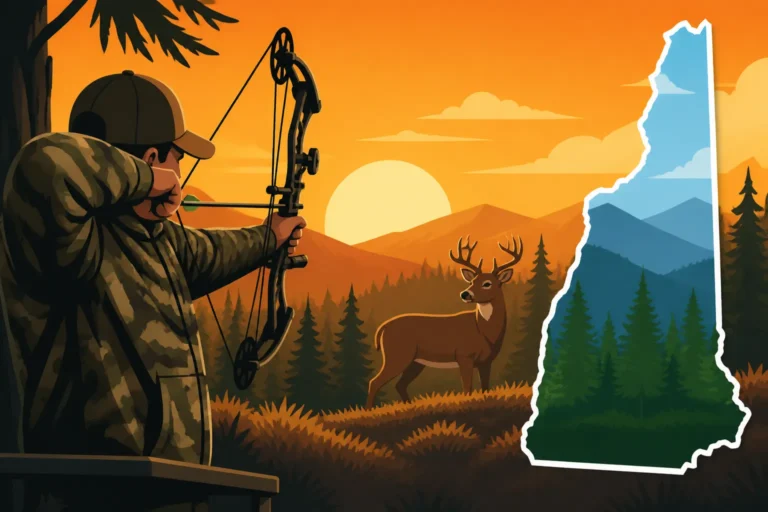
The search for the perfect hunting setup can often feel like a never-ending quest, especially here in New Hampshire where our terrain throws everything from dense thickets to wide-open hardwoods at us. One of the biggest challenges hunters face is finding natural, reliable concealment that offers both a hidden vantage point and viable shooting lanes without requiring a complex, noisy treestand setup. This guide aims to tackle that frustration head-on, showing you how leveraging the humble, yet mighty, white pine can provide a surprisingly effective, quiet, and stable position for a successful hunt.
Why the White Pine is a Hunter's Friend in New Hampshire
In the diverse landscapes of New Hampshire, from the lowlands to the mountains, the majestic white pine stands out not just for its beauty, but for its exceptional utility to the savvy hunter. These evergreen giants offer a suite of advantages that can significantly boost your chances of success, providing a natural fortress of concealment and comfort in almost any hunting scenario.
Natural Concealment and Back Cover
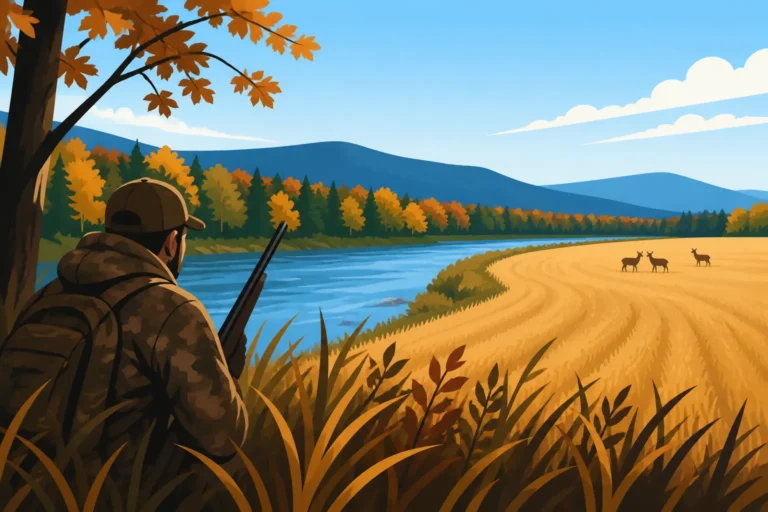
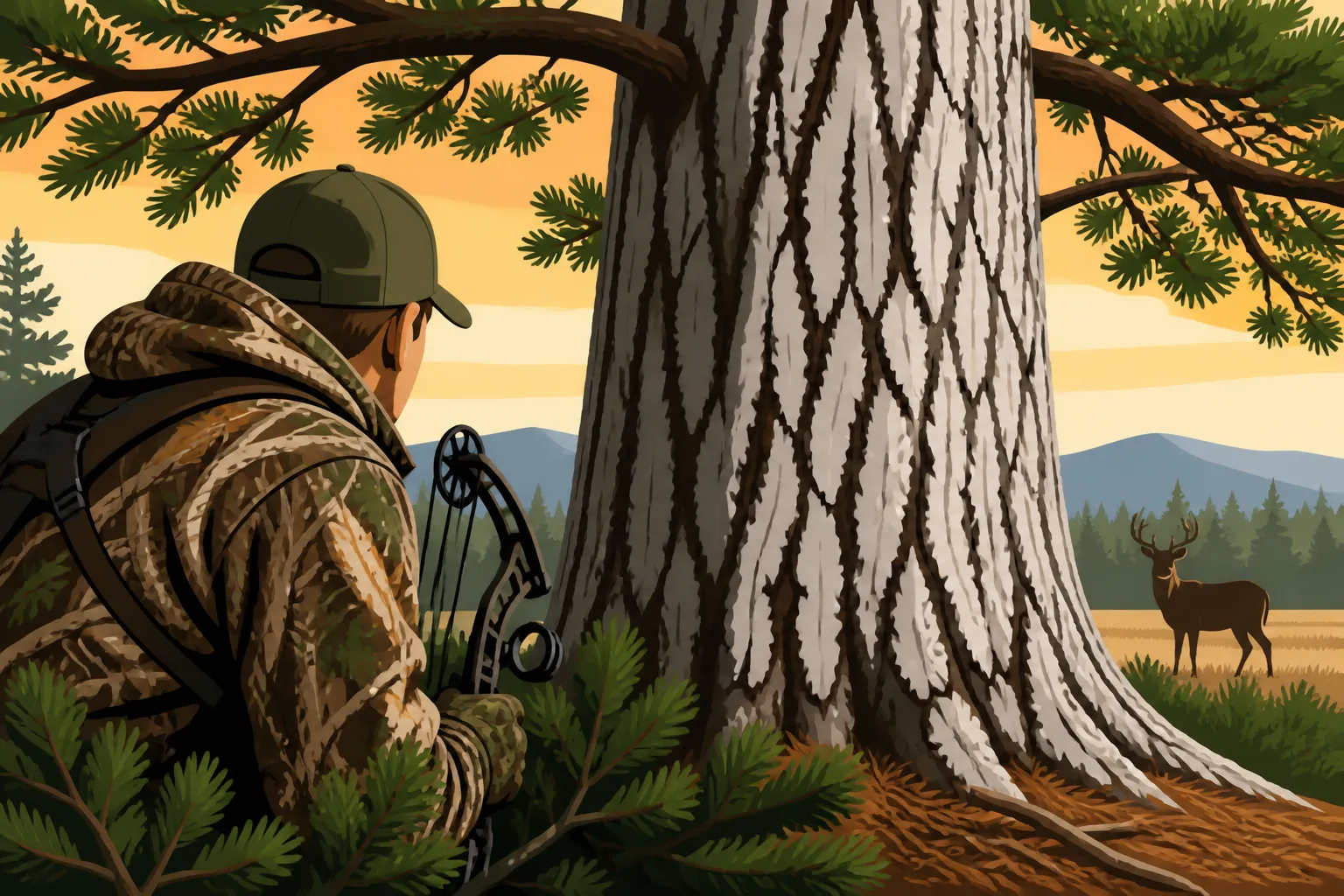
Imagine trying to disappear against a backdrop of bare hardwoods in late November. It’s a challenge, to say the least. Your silhouette sticks out like a sore thumb, especially against a bright sky or a snowy landscape. This is where the white pine truly shines. With its dense, year-round needles and massive, often gnarly trunk, it provides unparalleled visual cover. When you position yourself directly against or just behind one of these colossal trees, your outline is instantly broken up and absorbed by the tree's natural form.
The sheer volume of needles and branches creates a three-dimensional screen that makes it incredibly difficult for deer, moose, or bear to pick you out, even at relatively close range. Unlike deciduous trees that shed their leaves, leaving you exposed once fall truly sets in, the white pine remains a steadfast bastion of green. This evergreen quality is a game-changer, offering consistent, reliable concealment whether you're out for early archery season in September or making a last-ditch effort during the late muzzleloader days. It allows you to become part of the forest, rather than just an intruder trying to hide within it.
Scent Control and Wind Breaks
Scent management is arguably one of the most critical, and often frustrating, aspects of hunting. Even with the best scent-eliminating sprays and specialized clothing, a direct wind can betray your presence in seconds. A large white pine, however, can become a crucial ally in your battle against swirling winds and tell-tale scent. The dense canopy of a mature white pine acts as a natural air current disruptor. When you set up on the downwind side of a large pine, especially one on a slight rise or knoll, the tree's mass can create a subtle updraft or eddy that helps to lift and diffuse your scent plume, carrying it higher and less directly into the noses of approaching game.
Furthermore, the robust trunk and thick foliage provide an excellent windbreak. Sitting through a blustery November morning can be brutally cold and uncomfortable, making it difficult to stay still and focused. Nestled against a massive pine, you'll feel a noticeable reduction in wind chill, keeping you warmer and more comfortable. This added comfort isn't just about personal well-being; it directly translates to increased patience and steadiness, allowing you to sit longer and make a more accurate shot when the moment arrives. The pine becomes your shield against the elements, letting you concentrate on the hunt, not the shivers.
Elevated Vantage and Shooting Lanes
While a white pine isn't typically where you'd hang a treestand (though some brave souls might try!), its sheer size and common locations can still offer a subtle, yet significant, elevated advantage. Many mature white pines grow on slight knolls, ridge lines, or along the banks of drainages. By simply sitting at the base of such a tree, you can gain a few precious feet of elevation, which can make a surprising difference in your line of sight, especially over low brush or uneven terrain. This slight lift can open up new shooting lanes that would otherwise be obstructed from ground level.
The branching structure of white pines, while dense, often has lower limbs that can be strategically trimmed (always check local regulations, especially on public land) or naturally used as a shooting rest. The wide, stable trunk itself offers a fantastic, unwavering backrest and a solid anchor point for a steady shot, whether you're shooting a rifle, muzzleloader, or crossbow. When scouting with a tool like GoHunt or similar mapping applications, you can often identify these prominent pines that offer both cover and a commanding view, helping you visualize potential shooting lanes before you even step foot in the woods. This ability to see over obstacles and have a natural, solid rest makes the white pine an ideal choice for both still-hunting and setting up an ambush.
Strategic Placement: Where to Find Your Ideal White Pine
Finding a white pine isn't hard in New Hampshire, but finding the right white pine for a successful hunt requires a bit of strategy and understanding of deer movement. The location of your chosen pine can be just as important as the cover it provides. Thinking about how deer use the landscape will guide you to those prime spots where a big white pine becomes an invaluable asset.
Ridge Lines and High Ground
Deer, and other game animals, are creatures of efficiency and security. Ridge lines and high ground offer them both. When you find a prominent white pine on a ridge, you've likely stumbled upon a natural advantage. These locations often provide an excellent vantage point, allowing you to scan broad areas, observe movement, and anticipate where game might appear. Moreover, deer frequently travel along ridges, using them as natural highways, especially during the rut when bucks are cruising for does.
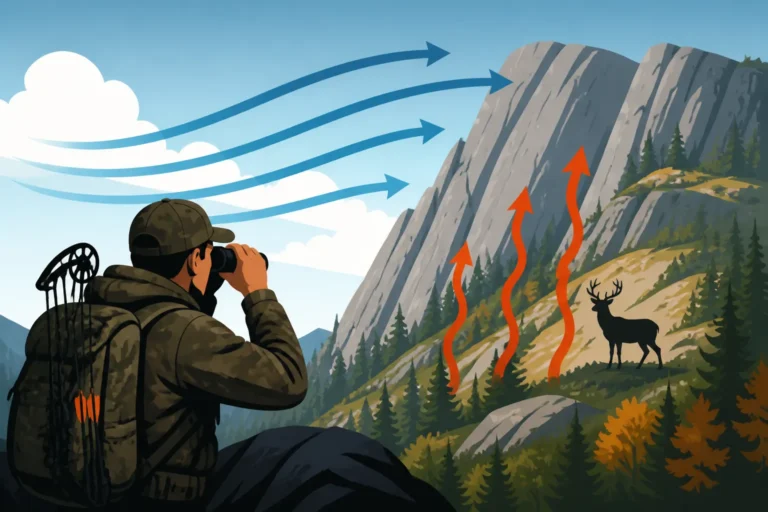
Pines on ridges also interact uniquely with wind and thermals. In the mornings, as the air warms, thermals tend to rise, carrying scent upwards. In the evenings, as the air cools, thermals drop. Understanding Wind and Thermals in Steep Granite Terrain is crucial here. By positioning your white pine setup on the leeward side of a ridge (the side sheltered from the prevailing wind) and considering the time of day, you can maximize your scent control. A well-placed pine on a saddle or knob can be an absolute goldmine for intercepting game. When you're scouting, use your mapping app to identify key elevation changes and look for the tell-tale green clusters that signify white pines on those strategic high points.
Funnels and Pinch Points
Game animals, particularly deer, inherently seek the path of least resistance and greatest security. This leads them to use natural funnels and pinch points in the landscape. These are areas where the terrain or vegetation forces animal movement into a narrower corridor, increasing the chances of an encounter. Think about a narrow strip of woods between two open fields, a low saddle between two steep hills, or a narrow crossing over a creek. These are prime examples of funnels.
A large white pine situated within or at the edge of one of these funnels provides the perfect ambush point. It offers the dense cover you need to remain undetected, while the funnel ensures deer will likely pass within range. For instance, if you're Hunting a Funnel Between Two Woodlots, a strategically placed white pine along that narrow band of timber can give you the advantage you need. Deer will often skirt the edges of cover, feeling more secure under the canopy, and a white pine on the edge of such a funnel offers both visibility into the funnel and deep concealment from it. Look for sign—tracks, rubs, scrapes—within these funnels, and then identify the largest, most robust white pine that offers the best shot opportunities in the direction of expected travel.
Edge Cover and Transition Zones
Deer love edges. The transition zone where one habitat type meets another is often where you'll find the highest concentration of animal activity. This could be the edge of a clear-cut meeting mature timber, where Hunting a Clear-Cut Regrowth Edge can be incredibly effective, or the border of an old apple orchard meeting a dense cedar swamp, or even the margin of a beaver flowage. Hunting a Beaver Flowage Edge often means game trails hugging the higher, drier ground. White pines frequently colonize these edge habitats, growing tall and proud, creating excellent natural boundaries.
Setting up against a white pine that is right on such a transition line gives you the best of both worlds: deep concealment within the evergreen cover, and clear visibility into the more open or mixed habitat where deer are likely to feed or travel. These edges are where deer often feel safe enough to move, especially during daylight hours, as they can quickly retreat into the security of the heavier cover provided by the pines or adjacent thickets. Scouting these areas, either physically or using a mapping tool like GoHunt to analyze satellite imagery, is key to identifying those critical edge-line pines that will put you in the best position. Pay attention to fresh tracks and browse lines along these edges – they’re a clear indicator of consistent deer movement.
The Practicalities of Setting Up Your Position
Once you've identified that perfect white pine, the work isn't over. A successful setup involves more than just leaning against a tree; it requires careful consideration of shooting lanes, additional concealment, and meticulous planning for your arrival and departure. Ignoring these practicalities can quickly undo the advantage that a well-chosen pine offers.
Clearing Your Shooting Lanes
One of the biggest mistakes hunters make when choosing a natural setup is failing to adequately clear their shooting lanes. While the white pine offers fantastic concealment, its dense nature can also impede your shot if not managed properly. Before the season, or well before your hunt, take the time to identify the most likely avenues of approach for game. Will they come from the left, right, or straight ahead? Focus on clearing branches or small saplings in those primary lanes.
On public land, remember that extensive cutting is usually prohibited. Stick to removing only small twigs or dead branches that can be easily snapped or clipped with hand pruners. On private land with permission, you might have more leeway, but always operate ethically and minimize your impact. The goal isn't to create a wide-open shooting gallery, but rather to ensure a clean, unobstructed path for your arrow or bullet through the critical zone where you expect game to appear. Practice drawing your bow or shouldering your rifle from your seated or kneeling position against the pine to identify any unforeseen obstructions. This proactive step can mean the difference between a clean shot and a frustrating deflection.
Ground Blind vs. Natural Sit
When you're utilizing a large white pine, you might wonder if a ground blind is necessary. Often, the natural concealment provided by the pine itself is sufficient, especially if you augment it with a few natural elements. A simple, comfortable hunting chair or a sturdy cushion is often all you need. The pine provides the critical backdrop, breaking up your outline, while natural debris like fallen branches, leaf litter, or strategically placed evergreen boughs can be arranged to fill in any gaps or create additional frontal concealment.
However, in certain situations, a small, low-profile pop-up ground blind can complement the white pine beautifully. If you're in an area with very sparse undergrowth or if you plan to move around more, a blind can offer an extra layer of concealment and warmth. The key is to blend it seamlessly. Brush it in with local vegetation and position it so the pine acts as its anchor and back cover. The GoHunt app can even help you pinpoint areas with good natural brush for this purpose when you’re scouting satellite imagery. For many New Hampshire hunters, though, the beauty of the white pine setup is its simplicity: a quiet, natural sit directly against the massive trunk, allowing you to immerse yourself fully in the forest environment.
Scent Management and Entry/Exit Routes
Even with the wind-breaking and scent-diffusing properties of a large white pine, meticulous scent management remains paramount. Always approach your chosen pine from a direction that keeps the wind in your favor, especially during your entry. This often means planning your route to come in from downwind, or at least across the wind, making use of topography and existing cover like logging roads or creek bottoms. Consider routes like those described in Entry Routes Through a Cut Cornfield, adapting them for your specific terrain, ensuring you minimize noise and disturbance.
Your entry and exit routes are critical to avoiding spooking game before or after your hunt. Deer are highly attuned to changes in their environment. Walking directly through a known bedding area or across a major travel corridor on your way in or out can contaminate the area and make deer wary for days. Plan your routes to utilize natural cover, avoid open areas, and always, always pay attention to the wind direction. If the wind shifts unexpectedly during your hunt, you might need to quietly adapt your position or even pack up and move to a different pre-scouted pine. The goal is to leave no trace of your passage, ensuring the area remains productive for future hunts.
Advanced Tactics and Considerations
Beyond the basics, mastering the art of setting up against a big white pine involves understanding subtle signs, leveraging its advantages in challenging conditions, and prioritizing safety. These advanced considerations can transform a good setup into a truly exceptional one, increasing your odds of success in the varied New Hampshire hunting seasons.
Reading Deer Sign Around Pines
A big white pine isn't just a place to hide; it's often a landmark for deer, a natural anchor in their movement patterns. Learning to read the subtle (and not-so-subtle) signs around these trees can tell you a lot about local deer activity and validate your chosen setup. Look closely at the ground around the pine. Are there fresh tracks? Deer often create worn paths or "runs" near prominent features, and a large pine can definitely be one. Pay attention to the size and direction of the tracks, which can give you clues about the sex and age class of the deer using the area.
Examine the lower branches of the pine itself, as well as surrounding saplings and bushes. Do you see any rubs, where bucks have scraped their antlers? Or fresh scrapes on the ground, indicating a buck's territorial marking during the rut? Pine needles on the ground, especially after rain, can preserve impressions remarkably well, allowing you to accurately read Reading New Hampshire Mud for Fresh Deer Movement. If you find consistent fresh sign, it reinforces that your white pine is indeed a focal point for deer, and you're in a high-probability location. A lack of sign, conversely, might suggest it's time to adjust your plan or find a new pine.
Cold Weather and Late-Season Advantage
When temperatures plummet and the wind bites, especially during New Hampshire's late-season hunts, a big white pine offers a distinct thermal advantage over deciduous cover. Unlike hardwoods that stand bare and offer little protection once their leaves drop, white pines retain their dense, insulating needles. This provides not only superior visual concealment but also a crucial windbreak and a pocket of slightly warmer air. This is especially vital for a Cold-Weather Sitting Strategy in the North Country, where staying warm and still can be the biggest challenge.
The ability to maintain a comfortable body temperature means you can sit longer, remain more focused, and be less prone to fidgeting, which can easily spook game. If you're layering effectively, as detailed in guides like Layering for New Hampshire's Cold Hunting Season, sitting against a large pine can make a significant difference in your endurance. During these colder months, food sources become scarce, and deer often concentrate in areas where they can find both food and thermal cover. Pines, especially those mixed with other softwoods, can offer both. Utilizing a comprehensive tool like GoHunt with its weather overlays can help you anticipate cold fronts and plan your hunts around the best pine locations for thermal protection.
Safety First: Backstop and Awareness
While focusing on the hunt, never let safety take a backseat. When you're setting up against a large white pine, you naturally gain an excellent backstop. This massive trunk can absorb errant shots, preventing them from traveling further than intended. However, always be aware of your surroundings beyond the tree. Ensure there are no roads, houses, or other hunters in your potential firing line.
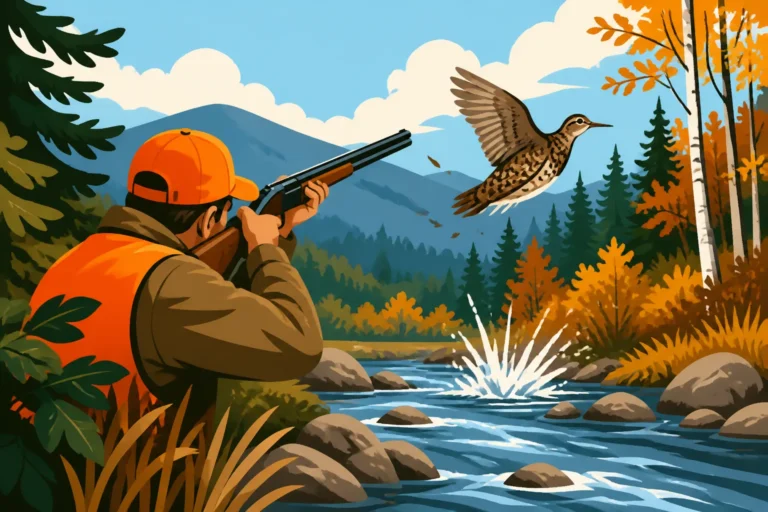
In New Hampshire, wearing blaze orange is a legal requirement during certain hunting seasons, even when you're well-concealed. Understanding How Much Blaze Orange New Hampshire Requires is critical. Even if you're tucked against a tree, having that visible orange ensures other hunters can easily spot you. This is particularly important on public lands like the White Mountain National Forest, where Still-Hunting White Mountain National Forest Timber is a common practice, and you need to be visible to other hunters who might be on the move. Always assume there are other hunters in the woods, and take every precaution to identify your target and know what lies beyond it. Your white pine setup provides excellent camouflage for you, but your blaze orange provides crucial safety.
| Feature | White Pine Setup | Hardwood Setup |
|---|---|---|
| Concealment | Excellent, dense needles, year-round cover. | Good in leaf-on, poor in leaf-off. |
| Scent Diffusion | Dense canopy can help lift/diffuse scent. | Less effect, scent travels more directly. |
| Wind Protection | Thick trunk and canopy offer good windbreak. | Minimal wind protection. |
| Shooting Rest | Lower branches often available for natural rest. | Usually requires separate shooting sticks/rest. |
| Visibility | Good outward visibility, often on high ground. | Can be more open or more obstructed depending on tree density. |
| All-Season Use | Effective year-round due to evergreen needles. | Primarily effective during leaf-on periods. |
Disclaimer
The information provided in this guide is for informational purposes only and is not intended as legal advice. Hunting regulations, seasons, and access rules can change frequently. Always consult the most current New Hampshire Fish and Game Department regulations before heading afield. Safety should always be your top priority.