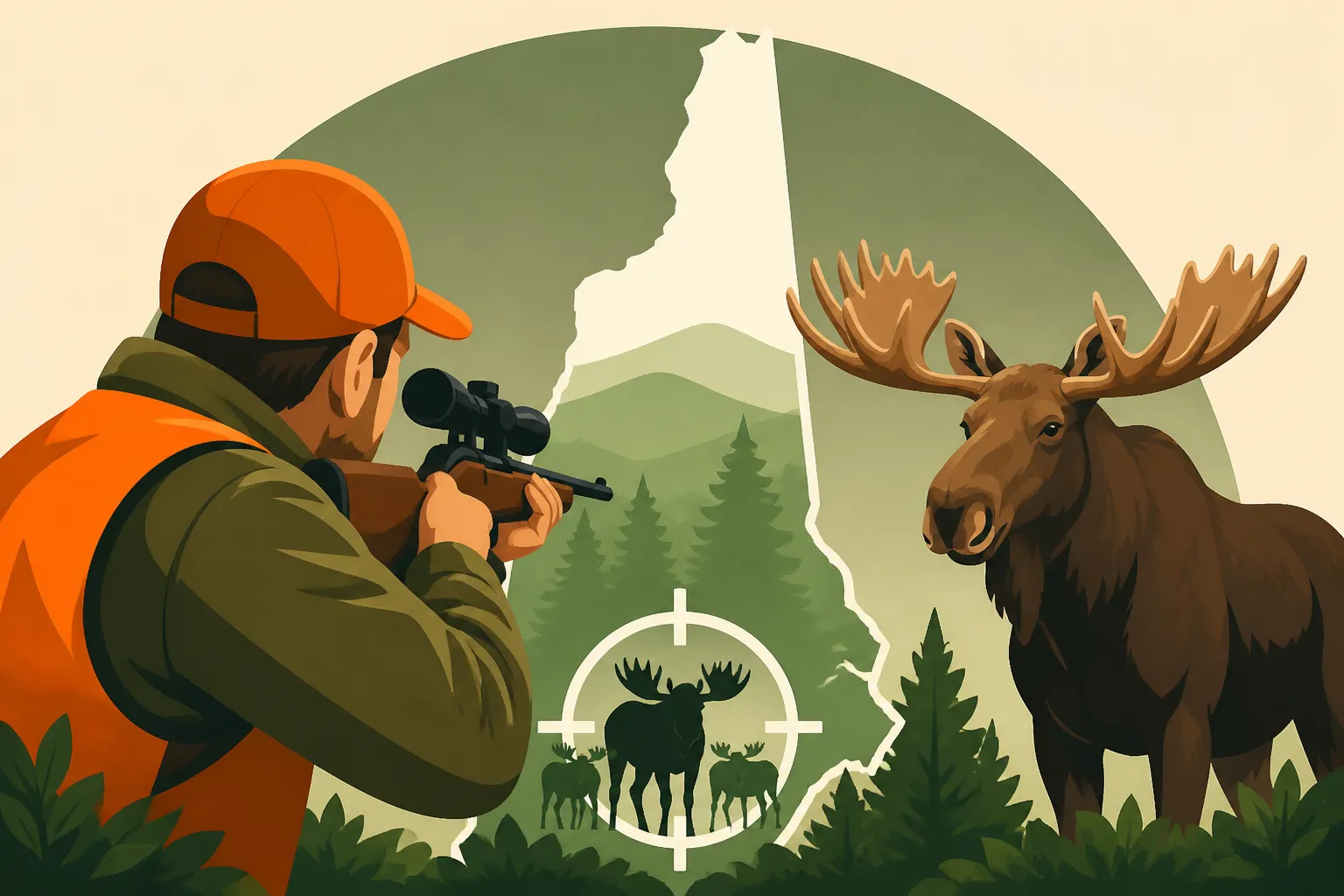
New Hampshire’s Moose Density Reduction Efforts
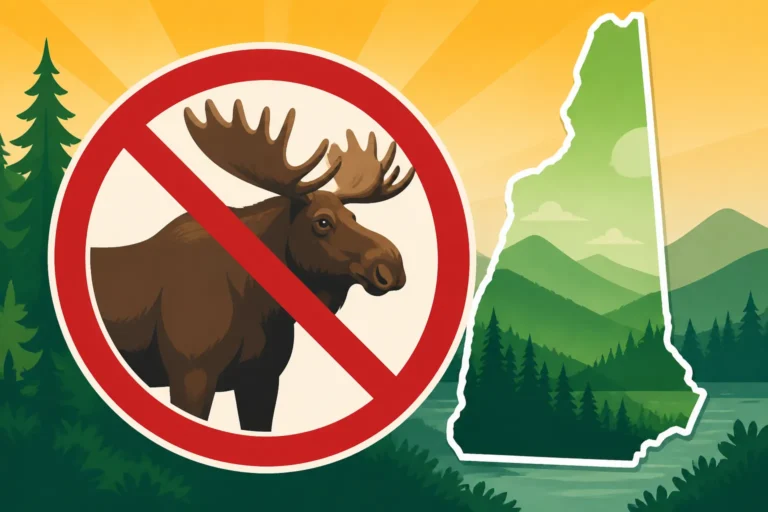
It's incredibly frustrating for New Hampshire hunters and wildlife enthusiasts alike to witness the decline of our iconic moose population, especially when you see those "ghost moose" covered in winter ticks. Many of us remember a time when sightings were more common and the herd seemed robust. This guide is here to shed light on exactly why the New Hampshire Fish and Game Department has had to implement targeted moose density reduction efforts, what these efforts entail, and how they aim to safeguard the future of our state's largest land mammal.
Understanding the Moose Predicament: The Winter Tick Crisis
For years, moose in New Hampshire, particularly our magnificent North Country giants, have been facing an invisible, insidious threat: the winter tick. This isn't just a minor nuisance; it's a silent killer that has fundamentally reshaped our approach to moose management. When you see a moose in late winter or early spring with significant hair loss, sometimes almost white, that's often a tell-tale sign of a severe winter tick infestation, and it's truly heartbreaking to witness.
The Silent Killer: Winter Ticks Explained
Winter ticks (Dermacentor albipictus) have a fascinating, yet devastating, life cycle. Unlike the common deer tick that seeks multiple hosts, the winter tick typically spends its entire parasitic life stage on a single host. In late fall, typically around September and October, thousands upon thousands of these tiny larvae climb vegetation, waiting for a passing moose to latch onto. Once they've found a host, they stay there, feeding continuously through the winter months.
As winter progresses, these ticks grow from nymphs to adults, engorging themselves with the moose's blood. A single moose can carry tens of thousands, or even over a hundred thousand, of these parasites. Imagine the constant irritation and, more critically, the massive blood loss. This persistent feeding causes severe anemia, weakening the animal considerably. The incessant itching also causes moose to rub and scratch themselves compulsively, leading to significant hair loss. This "ghost moose" appearance is not just cosmetic; losing their insulating coat makes them vulnerable to hypothermia in our harsh New Hampshire winters, further compounding their struggle.
Why New Hampshire Moose are Especially Vulnerable
Our New Hampshire moose herd finds itself particularly susceptible to the ravages of winter ticks due to a confluence of ecological factors. Historically, deep snow and prolonged cold snaps would help keep tick populations in check. However, changing climate patterns, with milder winters and earlier thaws, mean more ticks survive and thrive. There are fewer natural predators in much of the moose range, like large wolf populations that would naturally cull weaker, tick-ridden individuals. This lack of natural regulation allows tick populations to explode when host density is high.
This brings us to a critical point: moose density. When there are too many moose in a given area, the chances of ticks finding a host increase dramatically. It creates a self-perpetuating cycle, often referred to as a "tick bomb." A higher density of moose in an area means more opportunities for questing ticks to find a host, leading to higher tick loads per individual moose, which in turn leads to poorer moose health and lower calf survival. This is a crucial element that distinguishes the challenge faced by our Moose in New Hampshire's North Country from other regions where moose populations might be more robust. The devastating effect of these parasites on the herd is clearly visible in data showing New Hampshire Moose Population Decline Since the 1990s.
The Imperative for Density Reduction
When a species, even one as majestic as the moose, faces such a profound threat, wildlife agencies must make difficult, data-driven decisions. The choice to actively reduce moose density in certain areas wasn't made lightly; it was a necessary measure to combat the winter tick epidemic and ensure the long-term health and survival of our moose herd. It's a testament to the dedication of biologists who understand that doing nothing would lead to far greater losses.
Shifting Population Dynamics and Health Concerns
For decades, New Hampshire's moose population enjoyed a period of growth, peaking in the 1990s and early 2000s. It was a conservation success story. However, as the ecological factors shifted and winter tick infestations became more severe, the state's wildlife biologists observed a concerning trend: declining calf survival rates. This isn't just about seeing fewer young moose; it directly impacts the future recruitment into the breeding population. Research has shown that How Many Ticks Infest a New Hampshire Moose Calf can be staggering, leading to extremely high mortality rates among the youngest and most vulnerable members of the herd. When you're losing a significant percentage of your calf crop each year, the population simply can't sustain itself.
New Hampshire Fish and Game began rigorous studies, collaring moose, monitoring their health, and meticulously tracking tick burdens. The data became undeniably clear: higher moose densities correlated directly with higher tick loads and lower calf survival. It’s not simply about reducing the number of moose; it's about reducing the density to a level where individual moose are less likely to pick up an overwhelming number of ticks. The goal is to manage for a healthy population that can thrive, not just exist. This scientific approach helps us understand that these efforts are not about eradicating moose, but about preserving them for the long haul.
Balancing Conservation and Sustainable Hunting
For many hunters, the idea of reducing a population you love to pursue can feel counterintuitive, even painful. You naturally want to see more moose, not fewer. However, it's crucial to understand that in modern wildlife management, hunting is often a vital tool for conservation. When natural predation is insufficient to keep a population in balance with its habitat and disease vectors, regulated hunting can step in to mimic those natural processes.
The wildlife agency faces the difficult task of making choices that ensure there are moose for future generations, even if it means fewer opportunities in the short term. The perception among some hunters is that fewer tags mean fewer moose, which can lead to frustration. But in this specific context, fewer moose per square mile is a strategic move to break the winter tick cycle, allowing the remaining moose to be healthier and more robust. This proactive management prevents a more catastrophic decline that could leave us with very few, very sick moose in the future. The commitment to a healthy herd is paramount, and it requires sometimes making these tough, calculated decisions.
Implementing Density Reduction: The Permit System
The primary method New Hampshire uses to manage moose density is through its controlled permit system. This isn't a free-for-all; it's a highly regulated, science-based allocation of hunting opportunities designed to achieve specific population management goals in designated areas. If you've ever applied for New Hampshire's Moose Permit Lottery, you're already familiar with the competitive nature of drawing one of these coveted tags.
Targeted Hunting Permits in Specific WMUs
The New Hampshire Fish and Game Department doesn't simply issue a blanket number of moose permits for the entire state. Instead, they divide the state into Wildlife Management Units (WMUs), and based on extensive research and monitoring, they target specific WMUs where moose density is highest and the winter tick impact is most severe. This is where the density reduction efforts are concentrated. You'll find that WMUs in the North Country, such as WMU A, WMU B, WMU C, and WMU E, often see higher permit allocations precisely because these are the areas identified as needing density reduction the most. You can explore New Hampshire's Eight Moose-Permit WMUs to see which units are part of the lottery system.
The number of permits issued for each WMU is carefully calculated annually. It's a scientific determination that considers population estimates, calf survival rates, habitat conditions, and observed tick loads. For example, if data indicates that calf survival in WMU A is dangerously low due to heavy tick infestations, the department might increase permits in that specific unit to bring down the overall moose density. This approach ensures that the reduction efforts are localized and effective, rather than broad strokes that might not address the core problem. The aim is to create a healthier environment for the remaining moose by reducing the host population for the ticks. For those researching their odds, knowing How Many Moose Permits New Hampshire Issues can really highlight the competition and strategic allocation.
Understanding the Allocation Strategy
The strategy behind moose permit allocation is complex and multi-faceted. It's not just about harvesting animals; it's about influencing population dynamics. Biologists consider factors like the sex and age structure of the herd when determining how many cow permits versus bull permits to issue. Cow permits, for example, have a more direct impact on reproduction and thus on future population numbers. This careful balance ensures that the harvest targets specific segments of the population to achieve the desired density reduction while maintaining a healthy breeding base.
The decisions are informed by ongoing research and annual assessments of the moose population's health and distribution. This isn't an arbitrary process; it's a continuous, adaptive management strategy. For instance, if a particular WMU shows signs of improving calf survival and reduced tick burden after several years of increased permit allocation, the department might then adjust future permit numbers accordingly. If you're using tools like GoHunt, you'll notice how they track historical draw odds and permit numbers by unit, which can be invaluable for understanding where these efforts are focused and how permit numbers fluctuate. Such resources can help hunters grasp the underlying science and increase their chances in the lottery by making informed choices about where to apply.
The Broader Impact and Future of Moose in New Hampshire
These density reduction efforts are a long-term investment in the future of New Hampshire's moose. They represent a significant shift in wildlife management, driven by a deep concern for the health and sustainability of this iconic species. It's a testament to the dedication of our wildlife professionals who are constantly working to adapt to new challenges facing our natural world.
Early Observations and Ongoing Research
While the winter tick crisis is a persistent challenge, the early observations from New Hampshire Fish and Game are showing promising signs in some targeted areas. Biologists continue to monitor moose health, calf survival, and tick loads with great diligence. They are looking for trends: are tick numbers decreasing on individual moose? Are more calves surviving their first winter? These are the critical metrics that will determine the success of these density reduction strategies.
It's important to remember that ecological changes happen slowly. We can't expect immediate, dramatic shifts. This is a long-game strategy, requiring patience and continued commitment from the wildlife department and the public. There are also many factors at play beyond just moose density. Habitat quality, other diseases, and even factors like vehicle collisions all influence the overall health of the herd. The research is ongoing, constantly refining our understanding and guiding future management decisions. Every piece of information, from field observations to scientific studies, helps paint a clearer picture of what the future holds for the moose in our state.
The Hunter's Role in Moose Conservation
Hunters play an incredibly vital role in these conservation efforts. For those fortunate enough to draw a moose permit, their harvest directly contributes to the density reduction goals. More than that, every hunter who participates in the season, whether successful or not, becomes an extra set of eyes and ears in the woods, helping to observe and report on the health and behavior of the moose population. When you're out Moose Hunting New Hampshire's North Country, you're not just pursuing game; you're part of a larger conservation effort.
It's paramount for hunters to understand and adhere to all regulations, including reporting requirements. Accurate data from harvests helps biologists fine-tune their population models and assess the effectiveness of their strategies. By supporting the New Hampshire Fish and Game Department through license purchases and adherence to regulations, hunters are directly investing in the future of moose and all wildlife in the state. Our collective efforts ensure that the sight of a magnificent bull or a cow with a healthy calf will continue to be a cherished part of the New Hampshire wilderness experience for generations to come.
Navigating the Moose Season and Regulations
If you're an aspiring moose hunter, understanding the specifics of the season and regulations is crucial. The opportunity to pursue a moose in New Hampshire is truly a once-in-a-lifetime experience for many, and being prepared is key.
Key Dates and Regulations for Moose Hunters
New Hampshire's moose season is relatively short and specific, often focused in October. However, the exact New Hampshire Moose Season Dates can vary slightly each year and are highly dependent on the WMU you draw a permit for. It is absolutely essential to consult the most current New Hampshire Fish and Game hunting digest for the definitive dates and regulations specific to your permit and WMU.
Beyond season dates, there are crucial regulations regarding legal hunting methods, equipment, and mandatory reporting. For example, understanding carcass transportation rules and New Hampshire's CWD (Chronic Wasting Disease) prevention rules, though CWD is not currently in our state, is vital for responsible hunting and preventing its introduction. You'll also need to know the specific registration requirements for your harvest, which often involve bringing your moose to a check station within a certain timeframe. All these details are there to ensure a legal, ethical, and biologically sound hunt.
Resources for Aspiring Moose Hunters
Drawing a New Hampshire moose permit is challenging, but there are resources available to help you navigate the process. The New Hampshire Fish and Game Department's website is the authoritative source for all regulations, season dates, WMU maps, and lottery application details. Taking the time to study these resources can significantly improve your understanding of the hunt and increase your chances of success if you're lucky enough to draw a tag.
Additionally, online platforms and communities, such as those that provide information on GoHunt, can offer insights into draw odds, success rates by WMU, and general planning advice. While these resources are helpful for research and strategy, always cross-reference any information with the official New Hampshire Fish and Game digest. Whether it's researching prime areas for Packing Out a New Hampshire Moose or simply understanding the lay of the land, thorough preparation is your best ally in the woods. Being well-informed is the first step towards a successful and responsible hunting experience.
Disclaimer
This article is for general informational purposes only and does not constitute professional advice. Laws, prices and regulations vary by location and change over time. Consult a qualified professional for guidance on your specific situation.