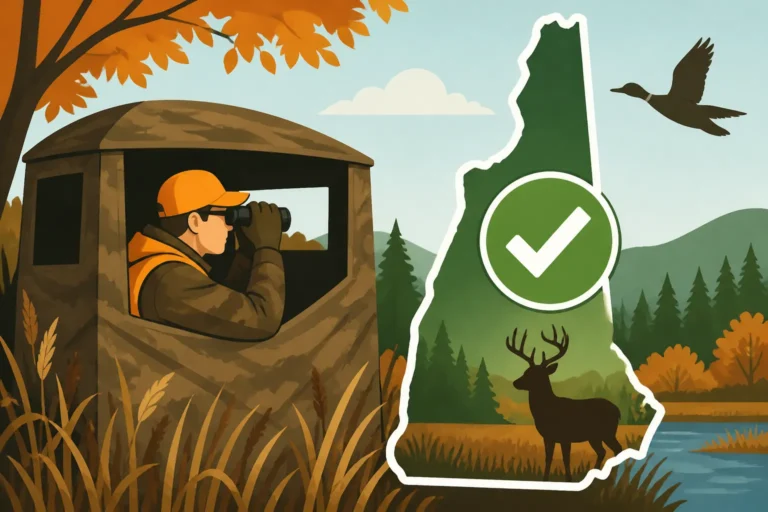
Hunting the Connecticut River Valley
The Connecticut River Valley, stretching along New Hampshire's western border, presents a truly unique and often underestimated hunting landscape. It's not the rugged, steep terrain of the White Mountains, nor the sprawling thickets of the North Country. Instead, you're looking at a fascinating mosaic of fertile bottomlands, agricultural fields, dense riparian zones, and mixed forests that draw and hold an incredible diversity of game. For many hunters, figuring out how to effectively navigate this blend of habitat, public access, and private land can feel overwhelming. This guide will walk you through the distinct characteristics of hunting the Connecticut River Valley, helping you understand its unique challenges and unlock its considerable opportunities for deer, turkey, waterfowl, and more.
Understanding the Connecticut River Valley's Unique Ecosystem for Hunting
The Connecticut River Valley in New Hampshire isn't just a geographical area; it's a vibrant, dynamic ecosystem that offers a vastly different hunting experience than other parts of the state. Imagine vast floodplains, often dotted with prime agricultural fields, nestled alongside the slow-moving river. This blend of open fields, dense riverine forests, and the lifeblood of the river itself creates a highly fertile environment that concentrates game animals in ways you might not see in strictly timbered regions. Hunters who understand this unique mix can greatly increase their chances of success by tailoring their approach to these specific conditions. It’s a place where you might be glassing a cornfield at dawn and then slipping through a beaver flowage by mid-morning, all within a relatively small area.
The River's Influence on Wildlife Movement
The Connecticut River itself is far more than just a body of water; it’s a superhighway and a vital lifeline for countless species. Think of it as a natural funnel, guiding deer, moose, and predators along its banks. The dense cover of alders, willows, and mature hardwoods that typically line the river provides excellent bedding and security cover. Deer, in particular, will often use these corridors to travel between feeding areas and bedding grounds, especially during periods of high pressure. Waterfowl, of course, rely on the river for migration and staging, finding respite in its eddies and backwaters. Understanding these natural travel lanes means recognizing that an area might seem open and devoid of cover, but just a stone’s throw away, the river’s edge provides exactly what wildlife needs.
Furthermore, the river provides consistent access to water, which is paramount for all wildlife, particularly during dry spells. This can make certain stretches of the river or its tributaries prime locations for game animals to frequent. During the rut, bucks might cruise these riverbanks, scent-checking for does, knowing that this is a common gathering place. Identifying pinch points or natural crossings along the river can be incredibly productive. These aren't always obvious; sometimes it's a subtle bend, a narrow section, or a fallen tree that acts as a bridge. Being able to read the river and its immediate surroundings is a key skill for any hunter in this region.
Agriculture and Food Sources
One of the defining features of the Connecticut River Valley is the prevalence of agriculture. Cornfields, hayfields, and even occasional apple orchards create irresistible food sources for a wide array of game. White-tailed deer will absolutely key in on these fields, particularly corn, providing a rich, high-energy diet through the fall and into early winter. After the harvest, the waste grain left behind can continue to draw deer, turkeys, and even some small game. Hunting a Standing Corn Field for Deer is a tactic that can be extremely effective in the valley, but it requires patience and careful scouting to understand how deer are using the field's edges and interior.
Wild turkeys, too, are huge fans of agricultural lands. They'll scratch for spilled grain, insects, and seeds in cut fields, often roosting in the mature trees that line the field edges or the river itself. This creates excellent opportunities for both spring and fall turkey hunting. Beyond just feeding, these fields also offer visibility, which can make turkeys feel secure, allowing them to gather in large flocks. Hunting the periphery of these fields, focusing on transition zones between cover and open ground, is a time-tested strategy here. The sheer abundance of easy-to-access calories provided by farming makes these areas magnets for wildlife, a stark contrast to the less nutrient-rich forest floors of the higher elevations.
Diverse Habitats
The Connecticut River Valley isn't a monoculture; its habitat is a rich tapestry. You'll find mature hardwood ridges, often rising gently from the river plain, intermixed with patches of dense softwood cover like hemlock and white pine. These softwoods provide crucial thermal and security cover, especially as the temperatures drop and the leaves fall. Add to this the wetlands and oxbows created by the river's meandering path, and you have an incredibly diverse landscape. Beaver activity, for example, creates flowages and clearings that can be irresistible to deer, moose, and waterfowl, but also create challenging travel conditions for hunters.
This diversity means you need to be versatile in your hunting approach. A treestand overlooking a hardwood ridge might be perfect for morning, while an afternoon sit in a ground blind tucked into a cedar swamp near a field could be the ticket. Understanding how deer move between these different habitat types – from softwood bedding to hardwood feeding to agricultural fields – is paramount. Deer often travel along the edges where two habitat types meet, like a field edge bordering a thick stand of pines, or a swamp edge meeting a hardwood slope. These "edge habitats" are prime places to intercept cruising bucks or feeding does.
Key Game Species and Opportunities in the Valley
The Connecticut River Valley is a veritable buffet for hunters, offering a wide array of game species that thrive in its unique blend of agriculture, riparian zones, and mixed woodlands. Unlike the more specialized hunting in the state's deep woods, the valley presents opportunities for big game, small game, and waterfowl, often within a short distance of each other. This diversity means a hunter can pursue multiple species throughout the season, adapting to conditions and game movement.
White-Tailed Deer
White-tailed deer are the undisputed kings of the Connecticut River Valley. The combination of abundant food sources from agriculture and rich, diverse cover creates an ideal environment for them. While you might not find the sheer density you'd see in certain southern New Hampshire zones, the deer here tend to be well-fed, and you have excellent potential for encountering mature bucks. The fertile soils lead to good browse, and the cornfields are a huge draw. New Hampshire Deer Population Estimate numbers show healthy populations across the state, and the valley contributes significantly to this.
Hunting deer in the valley often revolves around understanding their patterns between bedding cover and food. They’ll bed in the dense riverine thickets, the softwood stands, or even small, overlooked pockets of cover adjacent to fields. Then, in the evenings, they'll move into the cornfields, hayfields, or natural browse areas. Scouting is absolutely critical to identify these travel corridors. Look for rub lines along field edges, scrape lines at transition points, and fresh tracks in the mud near the river. During the rut, bucks will expand their search patterns, cruising these same travel routes looking for does. Hunting a funnel between a block of woods and an agricultural field can be a dynamite strategy.
Wild Turkeys
The Connecticut River Valley is prime turkey country. The open agricultural fields provide excellent feeding grounds, while the mature hardwoods along the river and on the gentle slopes offer ideal roosting sites. New Hampshire Turkey Population Trends have shown strong numbers across the state, and the valley is a hotbed for these wary birds. In the spring, the gobbling of a tom echoing across a valley field at dawn is a sound that gets any turkey hunter's blood pumping. Flocks will often be visible from a distance, feeding in fields, making pre-dawn setup crucial.
Fall turkey hunting also offers fantastic opportunities. After the harvest, turkeys will scratch through stubble for dropped seeds, and often gather in large family groups. One classic fall tactic is to break up a flock and then call the scattered birds back together. Understanding their daily routine – from roost to feeding to loafing areas – is key. They often use the same travel routes day after day, particularly along field edges or distinct terrain features. Patience, good calling, and careful concealment are essential, whether you're trying to lure in a spring gobbler or regroup a fall flock.
Waterfowl and Upland Birds
Given its namesake river, it’s no surprise that the Connecticut River Valley is a significant corridor for waterfowl. Mallards, wood ducks, black ducks, and various geese utilize the river, its oxbows, backwaters, and adjacent fields. New Hampshire Waterfowl on the Atlantic Flyway details how critical these migration routes are. Hunters can set up decoy spreads in flooded timber, along river bends, or even in cut cornfields to intercept birds flying between roosts and feeding areas. The river provides both open water for resting and plenty of hidden nooks and crannies for jump-shooting.
Beyond waterfowl, you'll also find opportunities for ruffed grouse and American woodcock, particularly in the mixed-wood habitats and young forest cuts that dot the valley. Grouse prefer denser cover, often found in thickets along old logging roads or regenerating clear-cuts. Woodcock, with their long bills, seek out damp, soft ground, usually found in swampy areas or alders near water. While not as abundant as in some other parts of the state, dedicated hunters with good bird dogs can find success. Squirrels and rabbits are also plentiful, providing additional small game opportunities and a chance to hone your hunting skills in the diverse cover.
Navigating Public and Private Land Access
Hunting the Connecticut River Valley, while rewarding, definitely comes with its own set of access considerations. Unlike vast tracts of continuous public land you might find further north, the valley is often a patchwork of private farms, residences, and smaller state-managed parcels. This means that successful hunting here often hinges on smart scouting and excellent land navigation, whether you're on public ground or seeking permission on private land. It's a place where mapping tools become absolutely indispensable.
Public Access Points and Regulations
While much of the Connecticut River Valley is privately owned, there are certainly public hunting opportunities. You'll find a scattering of Wildlife Management Areas (WMAs) managed by New Hampshire Fish and Game, as well as some state forests and designated river access points. These public lands often consist of river frontage, mixed forest, and sometimes even smaller agricultural fields that are managed for wildlife. Each WMA will have its own specific rules and regulations, so it's vital to check the New Hampshire Hunting Digest or the Fish and Game website for the specific property you intend to hunt.
Hunting along the Connecticut River itself can also offer public access, particularly below the ordinary high water mark, though access points to get to the river might be private. Boating access sites can provide a launch point for waterfowl hunters or those looking to explore river islands and shorelines. Always be mindful of local town ordinances, safety zones around dwellings, and posted boundaries, even when on public land. Scouting New Hampshire Public Land Before Season is particularly important here, as these public parcels can be fragmented and require a solid plan to navigate effectively.
Securing Private Land Permission
Given the prevalence of private land and working farms, securing permission is a cornerstone of hunting success in the Connecticut River Valley. Many of the prime feeding areas – the corn and hayfields – are on private property. Approaching landowners respectfully and well in advance of the season is key. Don't just show up on opening day. Introduce yourself, offer to help with chores, and make it clear you'll be a responsible and respectful guest. Farmers often appreciate hunters who help manage deer populations that can damage crops. Getting Private Land Permission in New Hampshire provides excellent tips for building these vital relationships.
When seeking permission, always be prepared to show proof of your hunting license and hunter education. Discuss specific areas you'd like to hunt and respect any boundaries or restrictions the landowner might impose, such as no hunting near buildings or during specific times. Leave gates as you found them, don't block access, and always pick up any trash, including spent shell casings. A successful hunt on private land isn't just about bagging game; it's about fostering a positive relationship that might grant you access for years to come.
Understanding Boundary Lines
The complex ownership patterns in the Connecticut River Valley make understanding property boundaries absolutely essential. With a mix of small private parcels, larger farms, and public lands, it's very easy to inadvertently trespass if you're not paying close attention. This is where modern mapping technology truly shines. Platforms like onX Hunt have become invaluable tools for hunters. An app like onX allows you to clearly see property lines, landowner names, and public land boundaries right on your phone, even when out of cell service. This eliminates guesswork and helps you stay on the right side of the law.
Before you even step foot in the woods, use mapping apps to study the terrain. Identify potential access points, pinpoint public land corridors, and note where private property abuts public areas or key wildlife features like fields or water sources. GoHunt is another excellent resource for planning hunts, often providing data overlays that can further enhance your understanding of an area. Knowing precisely where you are at all times not only keeps you legal but also helps you plan your hunt strategy more effectively, identifying areas where deer might be funneled by property lines or where overlooked pockets of public land could hold unpressured game.
Hunting Strategies for the Connecticut River Valley
Hunting in the Connecticut River Valley demands a flexible and adaptive approach, drawing on tactics suitable for both open agricultural lands and dense, swampy river bottoms. It's not a one-size-fits-all scenario, and the successful hunter here will be the one who can seamlessly transition between different methods and understand how game utilizes each distinct habitat type. From careful observation to precise stand placement, every detail counts in this diverse landscape.
Hunting the River Bottoms and Floodplains
The river bottomlands and floodplains are quintessential Connecticut River Valley hunting grounds. These areas are characterized by dense, often tangled vegetation – think alders, willows, dogwoods, and thick stands of young hardwoods – interspersed with mature timber and sometimes standing water or beaver flowages. Deer absolutely love these areas for security and bedding cover, especially when human pressure increases in other areas. They offer protection from both predators and the elements, making them prime locations for deer to retreat to during hunting season.
Still-hunting or slow-moving through these thickets can be effective, particularly on a day with a light breeze or a fresh snowfall that muffles your footsteps. Look for subtle deer trails, rub lines, and old beds. When choosing a stand location, identify pinch points where deer are funneled by water features or thick cover. A treestand overlooking a narrow crossing or a dense thicket edge can be deadly. Be prepared for wet conditions; waterproof boots or even hip waders are often a necessity here. Don't shy away from areas that seem impenetrable; these are often where the biggest bucks are hiding. Hunting a Beaver Flowage Edge can be incredibly productive, as these areas often create perfect transition zones.
Utilizing Agricultural Fields and Edges
As mentioned, agricultural fields are magnets for game in the valley. Deer will pour into cornfields, hayfields, and sometimes even soybean plots, especially in the late afternoon and evening. Hunting these fields and their edges requires a different approach than the dense river bottoms. Stealth is crucial, as deer in open fields are highly alert. A well-placed ground blind brushed into a field edge, or a treestand positioned carefully within a small woodlot bordering a field, can provide an excellent vantage point. Consider hunting the downwind side of travel corridors leading to the fields.
Scouting these fields is paramount. Look for entry and exit points, trails leading from bedding areas into the fields, and areas where deer are actively feeding. Often, deer will skirt the edges of a field before venturing into the open. If corn is still standing, deer will frequently bed right inside the standing stalks, using it for both food and cover. Once fields are cut, pay attention to any remaining strips of cover, brushy ditches, or subtle depressions that deer might use for concealment as they approach. Time your hunts for late afternoon or early morning, when deer are most likely to be moving to and from these prime food sources.
Still-Hunting and Stand Placement in Mixed Woods
Beyond the immediate river and fields, the Connecticut River Valley also features significant tracts of mixed hardwoods and softwoods. These areas provide diverse opportunities for both still-hunting and strategic stand placement. Hardwood ridges, even gentle ones, can be excellent places to find deer feeding on acorns or other mast crops. Hanging a Stand on a Granite Ridge might be a tactic more often associated with higher elevations, but even subtle elevation changes in the valley can create distinct travel corridors.
When still-hunting, move slowly against the wind, scanning far ahead for any sign of movement. Focus on areas where different timber types meet, as these transition zones are often high-traffic areas. For stand placement, identify natural funnels created by terrain, thick cover, or even old stone walls. Look for fresh sign like rubs, scrapes, and tracks. Consider hunting a funnel between two woodlots or a distinct saddle that deer might use to cross a low rise. The mixed woods offer a balance of visibility and cover, allowing for a variety of hunting styles depending on the specific location and current conditions.
Essential Gear and Equipment for Valley Hunting
The diverse conditions of the Connecticut River Valley mean your gear needs to be just as versatile as your hunting strategies. You'll encounter everything from muddy riverbanks and standing water to open fields and dense timber. Having the right equipment can make the difference between a comfortable, successful hunt and a frustrating, cold, and wet experience. Think about layering, waterproofing, and optics that perform well in varied light.
Footwear and Waders
Without a doubt, proper footwear is paramount for hunting the Connecticut River Valley. You'll inevitably encounter mud, damp ground, and potentially standing water. Waterproof boots are a non-negotiable. Look for boots with good ankle support to navigate uneven terrain, and a robust sole that can grip in mud and wet leaves. Insulated boots are a good choice for later in the season when temperatures drop, and you might be sitting for extended periods.
For those planning to hunt waterfowl or frequently traverse beaver flowages and wet bottomlands, a good pair of waders is an essential investment. Chest waders offer the most protection and allow you to access areas that would otherwise be impossible to reach. Hip waders can work for shallower crossings or working marsh edges. Best Boots for North Country Bog Hunting details attributes that are highly applicable to the wet conditions of the valley, emphasizing the need for durability and watertight construction. Ensure your waders are comfortable and provide adequate insulation for cold water.
Optics for Varied Terrain
The Connecticut River Valley's blend of open fields and dense woods calls for versatile optics. A good pair of binoculars is indispensable. For glassing open agricultural fields at dawn or dusk, you'll want binoculars with good light-gathering capabilities (e.g., 8×42 or 10×42). These will allow you to pick out deer, turkeys, or waterfowl from a distance without having to move and risk spooking them. Use them to scan field edges, treelines, and distant cover.
A rangefinder is equally important, especially when hunting across varying terrain or open fields. It allows you to accurately determine distances to landmarks and, more importantly, to your target, ensuring ethical shots. For denser timber hunting, a smaller, lighter binocular might be preferred, but the ability to glass those open stretches makes a quality general-purpose binocular the top choice. While a spotting scope isn't usually necessary for deer in this terrain, it can be useful for identifying waterfowl at extreme distances on large bodies of water if you're serious about bird hunting.
Calls and Decoys for Waterfowl and Turkeys
If waterfowl and turkey are on your list for the valley, specific calls and decoys are critical. For waterfowl, a good set of duck and goose calls will draw birds into range. Learning to use a mallard call effectively, along with a Canada goose call, will cover most situations. Decoys are also essential. A spread of floating duck decoys for river hunting, or full-body goose decoys for field hunting, can significantly increase your success rate. Decoying Mallards on the Connecticut River offers specific advice on effective decoy placement.
For turkey hunting, a variety of calls is helpful. A slate call, box call, and mouth diaphragm call can all produce the different hen and gobbler sounds needed to entice a bird into range. Mastering the yelps, clucks, purrs, and gobblers will give you the versatility to respond to different bird behaviors. Decoys, particularly a hen or jake decoy for spring, or a lone hen for fall, can complete the illusion and draw birds in that final critical distance.
Seasonality and Best Times to Hunt the Connecticut River Valley
Hunting in the Connecticut River Valley, like anywhere in New Hampshire, is highly seasonal, and understanding these patterns is crucial for maximizing your success. Each part of the season – from the warmth of early archery to the bitter cold of late muzzleloader – presents unique opportunities and challenges. The way game animals behave and utilize the valley's diverse habitats changes dramatically with the calendar and the weather.
Early Archery Season Opportunities
When New Hampshire Archery Season Opens, the Connecticut River Valley offers fantastic opportunities, particularly for white-tailed deer. The leaves are typically still on the trees, providing excellent concealment for hunters, and deer are largely focused on summer food patterns. This means they are often keying in on abundant natural browse, soft mast like apples, and the green growth in agricultural fields. Scouting before the season is absolutely vital to pinpoint these early food sources and identify the trails deer are using to access them from their bedding areas.
Temperatures can still be quite warm in early archery, so scent control is paramount. Focus on ambush points along trails connecting bedding cover to feeding areas, especially near small water sources or along field edges. While the rut hasn't kicked in, bucks are often in bachelor groups and relatively predictable. This can be a great time to pattern a specific deer. Consider setting up near a standing apple orchard or a lush clover plot, knowing that these will be high-traffic areas. As the season progresses and crops like corn are harvested, deer will shift their focus to the remaining waste grain.
Firearms Season in the Valley
The firearms season, particularly in November, is when hunting pressure peaks across New Hampshire, and the Connecticut River Valley is no exception. This period often coincides with the peak of the rut, bringing an element of unpredictability but also heightened activity. Bucks are actively cruising, making them more vulnerable during daylight hours. While the woods can feel busy, the valley’s blend of dense cover and open fields means there are still plenty of places for deer to hide and for smart hunters to find success. Hunting the Rut in Early-to-Mid November is a prime time to be in the woods, especially in the valley.
During firearms season, stand hunting becomes even more critical due to the increased pressure. Focus on natural funnels, pinch points, and cover edges that deer use to avoid hunters. Logging roads, old stone walls, and breaks in thick cover can all concentrate deer movement. Don't be afraid to try still-hunting through thick riparian zones or dense softwood stands where deer retreat from the orange army. Be mindful of safety zones around residences and ensure you are always aware of other hunters in the area. The valley's agricultural component means that hunting the edges of cut cornfields can still be highly productive, especially during low light.
Late Season Challenges and Rewards
As the calendar turns to December and the muzzleloader season closes out the deer hunting opportunities, the Connecticut River Valley takes on a different character. Temperatures drop significantly, snow might cover the ground, and food sources become scarcer. This is when deer begin to yard up in thermal cover and key in on the most nutritious remaining food sources. Hunting the late season requires tenacity, warm gear, and a deep understanding of cold-weather deer behavior. Cold-Weather Sitting Strategy in the North Country offers insights applicable to the valley as well, emphasizing warmth and patience.
Look for deer to congregate in dense softwood stands – hemlock, pine, and cedar swamps – which provide crucial shelter from the wind and snow. These are their wintering yards, where they conserve energy. Food sources like leftover corn, browse in protected areas, or even specific hardwood stands that dropped late mast become incredibly important. Hunting south-facing slopes that catch more sunlight can also be productive, as deer will often seek these areas for warmth. This can be a tough hunt, but for those willing to brave the cold, it offers the chance at a truly hard-earned deer. The tracking opportunities on fresh snow can also be exceptional, allowing you to follow deer right to their bedding areas.
| Game Species | Primary Habitat in Valley | Preferred Food Source | Best Hunting Method | Season Focus |
|---|---|---|---|---|
| White-tailed Deer | River Bottoms, Mixed Woods, Field Edges | Corn, Hay, Acorns, Browse | Stand, Still-hunt, Drive | Archery, Firearms, Muzzleloader |
| Wild Turkey | Field Edges, Hardwood Ridges, Riparian Trees | Seeds, Insects, Waste Grain | Calling, Ambush | Spring, Fall |
| Mallards/Geese | Connecticut River, Oxbows, Floodplains | Aquatic Vegetation, Waste Grain | Decoying, Jump-shooting | Waterfowl Season |
| Ruffed Grouse | Young Hardwood Thickets, Regenerating Cuts | Buds, Berries, Insects | Still-hunt, Dog Hunting | Fall |
| Snowshoe Hare | Dense Softwood Thickets, Swampy Areas | Twigs, Bark, Buds | Dog Hunting, Still-hunt | Late Fall, Winter |
| Eastern Coyote | Everywhere, especially Field Edges | Small Game, Deer Fawn/Carcass | Calling, Stand Hunting | Year-round |
Conservation and Ethical Considerations in the Valley
Hunting is a privilege, and nowhere is that more apparent than in a landscape as shared and diverse as the Connecticut River Valley. Being a responsible hunter means more than just following the letter of the law; it means embodying a strong conservation ethic, respecting the land and its owners, and ensuring the future of our hunting heritage. The valley's unique mix of public and private land, agricultural activity, and close-knit communities places an extra emphasis on these considerations.
Respecting Landowners and Wildlife
The vast majority of the Connecticut River Valley is private land, much of it actively farmed or owned by residents. Earning and maintaining permission to hunt these properties is absolutely critical. This starts with respect: respecting their property, their privacy, and their livelihood. Always ask for permission, even if you’ve hunted there before, as circumstances can change. Never leave trash, damage property, or drive off-road without explicit consent. Closing gates, avoiding fields when they are wet or growing, and simply saying thank you go a long way. Building a reputation as a responsible hunter benefits everyone.
Beyond landowners, respecting wildlife means making ethical shots, knowing your limits, and committing to recovering any game you hit. The valley's dense cover can make tracking challenging, so having a good plan for blood trailing, even after dark, is important. Blood Trailing After Dark in New Hampshire offers crucial advice for this. It also means understanding and accepting bag limits and season restrictions, which are in place to ensure healthy wildlife populations for generations to come.
CWD Prevention and Reporting
Chronic Wasting Disease (CWD) is a serious concern for deer populations nationwide, and New Hampshire is vigilant in its efforts to keep the state's deer herd CWD-free. New Hampshire's CWD Prevention Rules are designed to protect our local wildlife. These rules include restrictions on importing certain parts of deer, moose, and elk carcasses from states or provinces where CWD has been detected. It is crucial for hunters to be aware of these regulations, especially if you hunt out of state and then return to New Hampshire.
The New Hampshire Fish and Game Department relies on hunters to participate in their CWD surveillance program by voluntarily submitting samples from harvested deer. While New Hampshire currently remains CWD-free, ongoing monitoring is essential. Hunters should familiarize themselves with the signs of CWD and report any deer that appear sick or exhibit unusual behavior. By adhering to prevention rules and participating in monitoring efforts, hunters play a vital role in protecting the health of the deer herd in the Connecticut River Valley and across the state.
Understanding Local Regulations
While many hunting regulations are statewide, the Connecticut River Valley spans various Wildlife Management Units (WMUs), and specific rules can vary between them. For instance, WMU D2 covers a significant portion of the Connecticut River Valley, and knowing its specific deer harvest limits, bear season dates, or even turkey regulations is non-negotiable. Always consult the most current New Hampshire Hunting Digest before heading out. This digest provides detailed maps, season dates by WMU, and weapon restrictions.
Furthermore, hunters need to be aware of town-specific ordinances, such as those regarding discharge of firearms or archery equipment within certain distances of roads or dwellings. These local rules are in addition to state regulations and are often more restrictive, particularly in areas with increasing population density. Ignorance of the law is never an excuse, so taking the time to understand all applicable regulations for the specific area you plan to hunt in the Connecticut River Valley is a fundamental responsibility of every hunter. This ensures not only your legality but also the safety of yourself and others in this shared and beautiful landscape.
Disclaimer
This article is for general informational purposes only and does not constitute professional advice. Laws, prices and regulations vary by location and change over time. Consult a qualified professional for guidance on your specific situation.