Hunting the Connecticut Lakes Region
Hunting the Connecticut Lakes Region offers an experience unlike any other in New Hampshire. This far-flung northern corner, bordering Canada, presents hunters with vast tracts of wild, untamed land, teeming with big game, but also a unique set of challenges. If you've ever dreamt of stepping into true wilderness, far from the crowds of the more populated southern regions, this guide will help you understand what it takes to pursue game in New Hampshire's remotest reaches.
Understanding the Unique Landscape of the Connecticut Lakes Region
The Connecticut Lakes Region isn't just a place on a map; it's a feeling, an immersion into the rugged soul of New Hampshire's North Country. For many, the sheer scale of the landscape is both its greatest draw and its most formidable hurdle.
The Grandeur and the Challenges of the Terrain
When you envision hunting the Connecticut Lakes Region, picture sprawling forests of spruce, fir, and mixed hardwoods stretching as far as the eye can see. This isn't your manicured woodlot; this is wild timber country. We're talking about elevations that can climb steadily, leading to granite outcroppings and steep descents into drainages. Beaver flowages are common, creating wetlands and bogs that can swallow a boot or challenge your sense of direction with their maze-like nature. Old logging roads, some well-maintained and some reclaimed by nature, spiderweb through the landscape, offering access but also often leading to more remote, challenging terrain. The vastness means that a short walk can quickly turn into a significant trek, and losing the trail or your bearings without reliable navigation can become a serious problem.
The weather here is another character entirely. It can change on a dime, especially as you climb in elevation or venture deeper into the remote areas. A clear, crisp morning can quickly give way to a dense fog, a biting wind, or even an unexpected snow squall, even early in the fall. These conditions not only make tracking difficult but can also introduce real safety concerns if you're not properly prepared for sudden shifts in temperature or visibility. This grandeur and raw, unfiltered wildness is precisely what draws many hunters, but it demands respect and thorough preparation.
Dominant Wildlife Species and Their Habitat
The Connecticut Lakes Region is iconic for its big game opportunities, particularly for moose and bear. This habitat is perfectly suited for these larger animals, offering everything they need to thrive. Moose are often found near the many bogs, wetlands, and regenerating clear-cuts, where browse is plentiful. You'll see their tracks along muddy trails and in shallow waters, often in areas that are tough for humans to navigate. The dense cover provides excellent thermal protection and security.
Black bears are also incredibly prevalent here, with dense forests offering ample denning sites and a diverse food supply of berries, mast crops, and insect larvae. Hunters often encounter bears feeding in active clear-cuts or along the edges of natural openings. While deer are present, their densities are typically lower than in the central and southern parts of New Hampshire, and the individual deer tend to be smaller due to the harsher winters and less agricultural feed. They often seek refuge in cedar swamps or dense softwood thickets for winter shelter, which can be prime areas to target during hunting season. For small game enthusiasts, the thickets and older growth offer good prospects for ruffed grouse and snowshoe hare, especially along forgotten logging trails or regenerating forest patches. This diversity of game makes the region a true northern hunting paradise for those willing to embrace its wild nature. Moose in New Hampshire's North Country and Black Bears in New Hampshire are certainly dominant species in this area.
Navigating Access and Regulations in the Far North
Hunting in New Hampshire's Connecticut Lakes Region isn't as simple as driving up to a state park. It requires a keen understanding of land ownership and a diligent approach to checking current regulations.
Public Land Opportunities and Private Timber Holdings
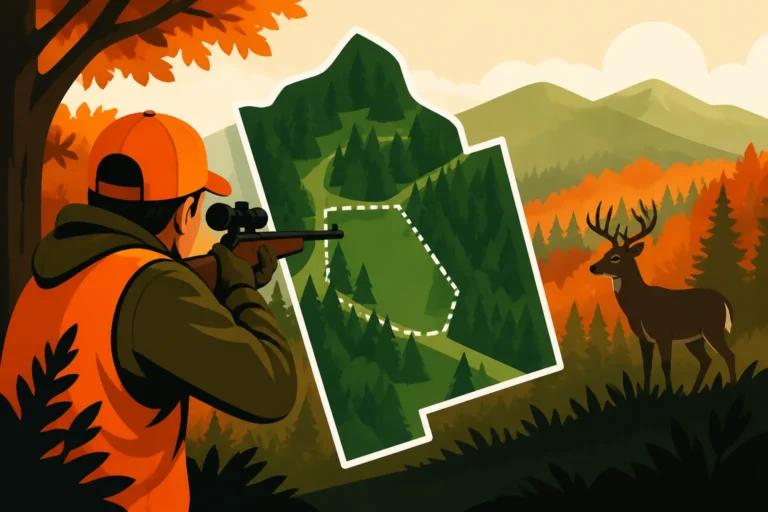
One of the most appealing aspects of the Connecticut Lakes Region is the sheer amount of accessible land. You'll find a patchwork of public lands, including portions of the White Mountain National Forest and state-owned parcels, alongside vast tracts of private timber company land. Many of these large timber companies have a long tradition of allowing public access for recreation, including hunting, often with minimal restrictions or just requiring a simple, free permit. However, this is not a universal rule, and access policies can change. It is absolutely critical to verify current land ownership and access rules before you venture out. Relying on outdated information can lead to trespassing, which is a headache nobody wants.
Tools like mapping apps, such as onX Hunt, become indispensable here. They allow you to clearly see property boundaries, landowner names, and even different land classifications right on your phone, even when you're offline. This is invaluable when you're miles back on a logging road, deep in the timber. It helps you distinguish between public land, private land that allows access, and private land where you absolutely need permission. Always carry a physical map and compass as a backup, because cell service is notoriously unreliable, if not completely absent, in much of this remote country. Knowing whether you're on public ground or a private timber company's property is key to a responsible and successful hunt. Hunting the North Country often means navigating these complex land access rules.
Essential Permits, Seasons, and WMU Specifics
Hunting in the Connecticut Lakes Region, like anywhere in New Hampshire, hinges on understanding the specific regulations set forth by the New Hampshire Fish and Game Department. This area falls primarily within Wildlife Management Units (WMUs) B and A, which often have unique season dates and regulations compared to WMUs further south. For instance, moose hunting in this region is typically by special permit only, obtained through the state's lottery system, and if you are lucky enough to draw a tag, you'll be assigned to a specific WMU. New Hampshire's Moose Permit Lottery is a competitive process, and if you win, you'll want to review all the details for your assigned unit.
Bear season dates can also vary by WMU and by hunting method (bait, hounds, or still-hunting). Deer seasons will generally follow the statewide archery, muzzleloader, and firearms schedules, but always double-check the exact opening and closing dates for WMU B or A in the current hunting digest. You'll need a general New Hampshire hunting license, and potentially additional tags or permits depending on the species you're pursuing. Always review the annual New Hampshire Hunting Digest well in advance of your trip. It's the definitive source for season dates, bag limits, legal weapons, and any WMU-specific rules. Don't assume anything; confirm every detail to ensure your hunt is legal and ethical. New Hampshire's WMU B Covers North Country Terrain is a good resource to consult.
Strategies for Successful Hunting in the Connecticut Lakes Region
Hunting in the Connecticut Lakes Region demands a particular set of skills and a robust strategy tailored to its unique environment. It’s not a place for the faint of heart or the unprepared.
Moose and Bear Tactics in Remote Country
For moose, the Connecticut Lakes Region is quintessential habitat. If you've been fortunate enough to draw a permit, your scouting should focus on locating active feeding areas and travel corridors between them. Look for fresh browse in regenerating clear-cuts, along the edges of bogs, and near slow-moving water sources. Bulls are often on the move during the rut in late September and early October, making calling a highly effective tactic. Calling a Bull Moose in Late October can be incredibly exciting, but you need to be prepared for a close encounter with a massive animal. Accessing these remote areas often involves long hikes down old logging roads or navigating dense timber and challenging wetlands.
Packing out a moose is an monumental task, even more so in this rugged terrain. You’ll need a solid plan for quartering the animal in the field and a robust system for packing it out, whether that's with a heavy-duty pack frame, game cart, or even a pre-arranged ATV or truck access point. For black bears, the strategies vary. If baiting is permitted in your WMU and you choose that method, it requires consistent effort and careful setup well before the season. Otherwise, still-hunting through thick cover, focusing on areas with abundant mast crops or berry patches, can be effective. Tracking a bear in this dense environment, especially after a fresh rain or light snow, can also yield results. The key to both moose and bear success here is often accessing areas far from primary roads, where human pressure is minimal.
Deer and Small Game Approaches in the Big Woods
Deer hunting in the Connecticut Lakes Region is a different game than in other parts of New Hampshire. With lower deer densities, success often comes down to covering ground silently and methodically – a classic still-hunting approach. Focus on transition zones: where thick softwood gives way to hardwoods, along the edges of beaver flowages, or where younger forest growth provides ample browse and cover. Identifying and hunting historical deer yards or cedar swamps can be productive later in the season when snow depths increase and deer congregate for thermal protection. Locating fresh sign, such as rubs, scrapes, and tracks, is paramount. Since deer here tend to be more wary and less habituated to human presence, quiet movement and patience are your best assets. Still-Hunting White Mountain National Forest Timber tactics apply well to this area.
For small game like ruffed grouse and snowshoe hare, the Connecticut Lakes Region provides excellent opportunities. Grouse thrive in mixed woodlands with a good understory, often along old logging roads, regenerating clear-cuts, or natural openings. Walking these old paths with a shotgun at the ready can provide thrilling flushes. Snowshoe hare, true to their name, prefer dense softwood thickets and swamps, where they can find cover. Hunting them often involves carefully picking your way through these dense areas, looking for their distinctive tracks in the snow or listening for movement. Sometimes, running a beagle can make finding them much more efficient. The beauty of small game in this region is the solitude you'll often find, making for a truly immersive experience in the wild.
Gear and Preparedness for the North Country
Hunting in the Connecticut Lakes Region isn't a casual affair; your gear list needs to reflect the remote, rugged, and often unforgiving conditions. First and foremost, reliable navigation is non-negotiable. A dedicated GPS unit is highly recommended, paired with a detailed topographic map and compass as backup. Offline maps on your phone through apps like onX Hunt or GoHunt are incredibly useful, but remember that electronics can fail. Ensure your phone is fully charged and consider carrying a portable power bank. GPS and Mapping Apps for New Hampshire Public Land are essential tools.
Layering your clothing is another critical aspect. The weather can swing dramatically, so you need adaptable layers that can be added or removed to manage your body temperature effectively. Think moisture-wicking base layers, insulating mid-layers, and a waterproof/windproof outer shell. Layering for New Hampshire's Cold Hunting Season is a must-read for anyone heading north. Footwear needs to be robust, waterproof, and provide excellent ankle support for navigating uneven, wet, and often rocky terrain; Boots for New Hampshire's Granite Terrain or those suited for bogs are key. Carry emergency supplies: a first-aid kit, fire-starting materials, extra food and water, a headlamp, and a satellite communication device (like a satellite messenger) are highly recommended. Cell service is spotty at best and nonexistent in many areas, so the ability to signal for help is crucial. Finally, a robust backpack designed for hauling heavy loads is essential, especially if you're pursuing big game.
Common Pitfalls and How to Avoid Them
Even seasoned hunters can face unexpected challenges in the remote and demanding Connecticut Lakes Region. Understanding these common pitfalls and planning to avoid them is just as important as knowing where to find game.
Getting Lost and Staying Safe
The vastness of the Connecticut Lakes Region is truly breathtaking, but it's also where many hunters find themselves in trouble. Dense forests, undulating terrain, and a distinct lack of familiar landmarks can quickly lead to disorientation. One minute you're following a faint game trail, the next you're deep in timber with no clear direction. The absence of reliable cell service amplifies this risk, as you can't simply call for directions or look up your location. This is why multi-layered navigation is so critical.
Never rely solely on one method. Always carry a physical map and compass and know how to use them, even if you have a GPS unit or a mapping app like onX Hunt on your phone. Plot your route, mark waypoints, and pay attention to your surroundings, frequently glancing back to see what the return journey will look like. Tell someone your exact hunting plan, including your intended route and expected return time. This "hunt plan" is crucial for search and rescue efforts if something goes wrong. A satellite communication device can literally be a lifesaver, allowing you to send messages or an SOS even without cell signal. Safety in this region begins and ends with meticulous planning and self-reliance.
Underestimating the Physical Demands
Hunting moose or bear in the Connecticut Lakes Region is not a sedentary sport. The terrain demands physical fitness and endurance that many hunters, especially those accustomed to flatter, more accessible hunting grounds, often underestimate. Hiking several miles over uneven, rocky, and often boggy ground, especially while carrying a heavy pack, can be exhausting. Add to that the potential for packing out hundreds of pounds of game meat, and you’re looking at an incredibly strenuous undertaking. Dragging a deer out of a granite ravine or Packing Out a New Hampshire Moose from a remote bog can be one of the most physically demanding experiences of your life.
Before you even think about heading north, assess your physical condition. Incorporate cardio and strength training into your routine, focusing on core strength, leg endurance, and back stability. Practice hiking with a loaded pack. Don't be afraid to take breaks, stay hydrated, and carry plenty of high-energy snacks. Many hunters bring a game cart or plan for multiple trips to extract game, which means additional time and effort. If you’re not physically up to the challenge, consider hiring an outfitter or bringing strong, capable hunting partners who can share the load. Acknowledging the physical demands upfront will allow you to prepare adequately and prevent injury or exhaustion from derailing your hunt.
Disregarding Weather and Remote Conditions
The New Hampshire North Country, and especially the Connecticut Lakes Region, is known for its unpredictable and often severe weather. A beautiful, crisp fall morning can quickly descend into a chilling rain, a blinding snowstorm, or temperatures that plummet well below freezing. Disregarding these rapidly changing conditions can lead to hypothermia, frostbite, or simply a miserable and dangerous hunt. Being unprepared for a sudden shift can leave you shivering, wet, and potentially stranded.
Always check multiple weather forecasts before you leave, but understand that these forecasts are often generalized and can be less accurate in truly remote areas. Pack for the worst-case scenario, not just the best. That means bringing extra layers, robust rain gear, and emergency shelter even if the forecast looks clear. Ensure your fire-starting materials are waterproof, and carry a small stove or chemical hand warmers. In the far north, especially as the season progresses, daylight hours shorten dramatically, and cold temperatures can set in quickly after sunset. Plan your movements to ensure you’re back at camp or a safe location before dark, or have a headlamp with extra batteries readily accessible. Embrace the mindset that you are truly "on your own" in this remote country, and prepare for any eventuality the weather might throw at you.
| Aspect of the Hunt | Description of Challenge | Strategy for Success |
|---|---|---|
| Terrain | Remote, rugged, dense forests, bogs, steep hills | Physical fitness, robust boots, detailed maps/GPS |
| Navigation | Limited cell service, lack of landmarks, easy to get lost | Multi-layered navigation (GPS, map, compass), satellite comms, hunt plan |
| Wildlife Density | Lower deer density, high moose/bear presence | Targeted scouting, species-specific tactics (calling, still-hunting) |
| Weather | Unpredictable, rapid changes, cold, rain, snow | Layered clothing, waterproof gear, emergency shelter, flexible plans |
| Access | Mix of public/private timber, often gated/rough roads | Verify land ownership/rules, use mapping apps (e.g., onX Hunt), respect private property |
| Game Recovery | Heavy animals in remote, difficult terrain | Physical prep, game cart/pack frame, partners, field quartering skills |
Disclaimer
This article is for general informational purposes only and does not constitute professional advice. Laws, prices and regulations vary by location and change over time. Consult a qualified professional for guidance on your specific situation.