Best Tent for a Multi-Day Public Land Hunt
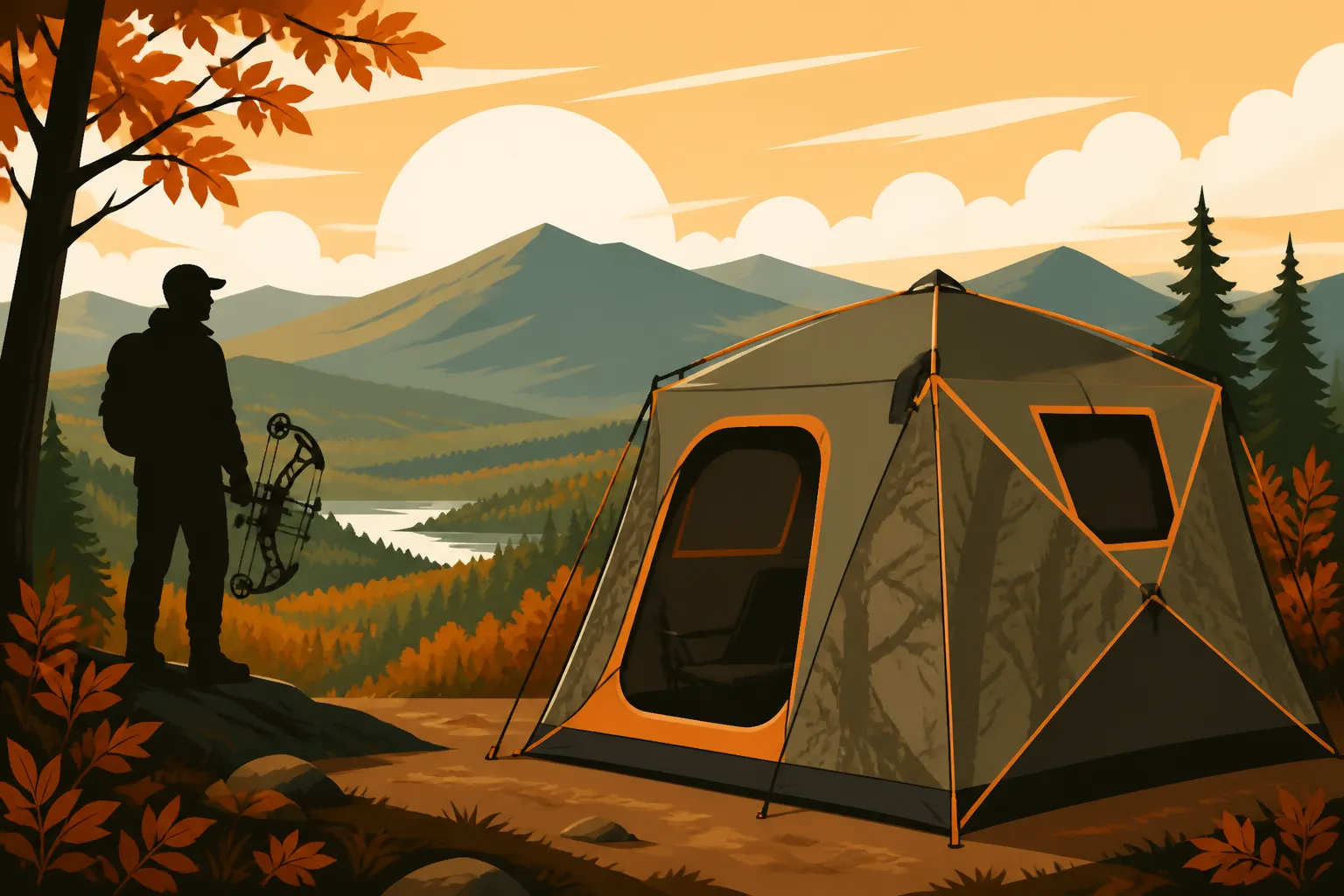
Venturing onto New Hampshire's vast public lands for a multi-day hunt is an incredible experience, but it often means you're far from the comfort of a heated camp or your truck. The challenge is finding reliable shelter that can stand up to the Granite State's famously unpredictable weather—from a sudden downpour to a sneaky cold snap—while still being manageable to pack in. This guide is all about helping you navigate the world of hunting tents, so you can choose the best tent for a multi-day public land hunt that will keep you safe, dry, and rested, no matter what Mother Nature throws your way.
Understanding New Hampshire's Public Land Tent Requirements
When you're planning a multi-day hunt on New Hampshire's public lands, be it the sprawling White Mountain National Forest or a remote Wildlife Management Area, your shelter needs are far more specific than just a casual camping trip. The rugged terrain and variable weather demand a tent that's up to the task, preventing a cold, wet night from derailing your entire hunting effort. It’s not just about having a roof over your head; it’s about having a strategic piece of gear that supports your hunt.
Weather Resilience is Non-Negotiable
New Hampshire weather is a fickle beast. One moment you might be enjoying crisp, clear skies, and the next, a nor'easter can roll in, bringing driving rain, biting winds, or even an early-season snowfall. This isn't just a minor inconvenience; a compromised shelter can quickly lead to hypothermia, ruined gear, and a miserable hunt. Your tent needs to be a fortress against these elements, not just a thin fabric barrier.
Consider the driving rain that often saturates the thick New Hampshire woods, particularly during the archery season or New Hampshire's November Firearms Deer Season. A tent with a full-coverage rainfly that extends all the way to the ground is crucial. This design minimizes splash-back, protecting the inner tent walls and keeping your sleeping bag and clothing dry. Furthermore, strong winds can rip through inferior tent poles or lift a poorly designed fly. Look for tents with robust pole structures, preferably aluminum, that can flex without snapping under pressure. Good ventilation is also key, even in cold weather, to combat condensation. Without proper airflow, the inside of your tent can become surprisingly damp from your own breath, making everything feel clammy and cold. This is especially true when camping in humid areas or during rapidly changing temperatures common in our autumns.
Weight and Packability for Backcountry Access
Many of the most productive hunting grounds on New Hampshire's public lands aren't right off a paved road. Reaching them often involves significant hiking, sometimes over rugged terrain and through dense forest. This means every ounce in your pack counts. The ideal tent for a multi-day hunt must strike a delicate balance between being lightweight enough to carry comfortably for miles and durable enough to withstand the elements and the rigors of being packed and unpacked daily.
A common mistake is choosing a tent that’s too heavy because it seems more comfortable in the store. However, after several miles of hiking with a loaded pack, that extra three or four pounds will feel like a ton. Think about your route: are you planning to Still-Hunting White Mountain National Forest Timber for several days, moving camp each night? Or are you establishing a base camp from which you'll make daily forays? For the former, a minimalist, ultralight setup is paramount. For the latter, you might sacrifice a bit of weight for more interior space or a robust vestibule. Remember, you're not just carrying the tent; you're also hauling your Best Pack for a Nine-Day Moose Hunt, food, water, and hunting gear. Every component of your sleep system, including your Best Sleeping Bag Rating for Late-Fall Nights, needs to be considered in this overall weight equation.
Durability Against Granite and Brush
New Hampshire's landscape is defined by its granite backbone and often dense, unforgiving vegetation. From jagged rocks on a ridge to thorny brambles in a beaver flowage, your tent will encounter plenty of abrasive surfaces. A flimsy tent floor or thin fly material simply won't cut it. One small tear can compromise your waterproofness and comfort, quickly turning a planned multi-day hunt into a one-night misery.
When evaluating tents, pay close attention to the denier (D) rating of the fabric. Higher denier numbers generally indicate thicker, more durable material. While a very high denier fabric might add weight, it offers peace of mind, especially if you anticipate pitching your tent on less-than-ideal ground. Reinforced stress points, robust zippers, and quality stitching are also indicators of a tent built to last. Many seasoned New Hampshire hunters opt for a separate footprint or ground cloth to protect the tent floor from punctures and abrasions. This sacrificial layer adds a bit of weight but can significantly extend the life of your tent, making it a wise investment for repeated trips into our rugged backcountry. After all, you don't want to be patching holes when you should be focused on the hunt.
Key Features to Look for in a Hunting Tent
Choosing a tent isn't just about picking a color or a brand name; it's about understanding the specific features that will make your multi-day hunt on New Hampshire's public lands a success. Each component, from the fabric to the overall design, plays a critical role in your comfort, safety, and ultimately, your effectiveness as a hunter. This is where a little upfront research truly pays off.
Material Matters: From Nylon to Dyneema
The materials used in a tent's construction are fundamental to its performance, affecting everything from weight and packability to waterproofness and durability. In New Hampshire’s varied conditions, selecting the right fabric is paramount.
- Nylon: Often coated with silicone or polyurethane (PU) for waterproofing, nylon is a common and relatively affordable tent material. It's strong for its weight and can withstand a good amount of abuse. Silicone-coated nylon (silnylon) is popular for its excellent tear strength and low weight, but it can stretch when wet, requiring re-tensioning of guy lines. PU-coated nylon is generally more resistant to UV degradation and can be seam-taped, but it might be heavier. For a multi-day hunt where you're likely to encounter diverse weather, a good quality silnylon or PU-coated nylon tent offers a solid balance of performance and value.
- Polyester: Less prone to stretching when wet than nylon and offers better UV resistance, making it a good choice for longer exposure to the sun. It's often found in rainflies.
- Dyneema Composite Fabric (DCF): Formerly known as Cuben Fiber, DCF is an ultralight, extremely strong, and inherently waterproof material. It doesn't absorb water, making it incredibly fast-drying, and it boasts an impressive strength-to-weight ratio. However, DCF tents come with a much higher price tag and can be crinkly and louder in the wind. For hunters prioritizing minimal weight above all else, especially when undertaking demanding trips that involve carrying a Best Backpack Frame for a Quartered Moose, DCF can be a game-changer, but its cost and specific characteristics make it a niche choice for many. When you are assessing gear like this, platforms such as GoHunt can offer user reviews and spec comparisons that go beyond manufacturer claims, giving you real-world insights into how these materials perform under hunting conditions.
Seasonality and Shelter Design
Tents are typically categorized by the number of seasons they're designed for, and this classification is crucial for New Hampshire hunting.
- 3-Season Tents: These are designed for spring, summer, and fall conditions. They excel at ventilation, often featuring large mesh panels to combat insects and humidity. They're generally lighter than 4-season tents and are suitable for the majority of New Hampshire's hunting seasons, including early archery or mild muzzleloader periods. However, their lighter construction and emphasis on airflow mean they might struggle in heavy snow loads or extreme cold. If you primarily hunt in moderate conditions and prioritize weight savings, a well-designed 3-season tent with a robust rainfly can serve you well.
- 4-Season Tents: Built to withstand harsh winter conditions, 4-season tents feature stronger pole structures, less mesh (to retain warmth), and often a more aerodynamic shape to shed wind and snow effectively. While heavier, they are the only sensible option for late-season hunts where significant snowfall and sub-freezing temperatures are expected, such as during the tail end of New Hampshire's Muzzleloader Deer Hunting in New Hampshire. They offer superior protection and insulation, critical for maintaining body heat when you’re facing prolonged exposure to cold weather. Even if you don't plan on deep winter hunts, a convertible 3+/4-season design might be a good compromise for those who hunt both early and late seasons in New Hampshire.
A generously sized vestibule is also a non-negotiable feature for any hunting tent. This covered area outside the inner tent provides essential space for storing wet gear, muddy boots, and even cooking in inclement weather without bringing moisture and odors inside your sleeping area. A well-designed vestibule can make a huge difference in comfort and organization during a multi-day hunt, allowing you to keep your sleeping space clean and dry.
Size and Configuration for Comfort and Gear
When you're choosing a tent for a multi-day hunting trip, don't just think about where you will sleep. You need to consider all the gear you'll bring inside to keep dry and safe. A common rule of thumb for hunters is to add one person to the tent's rating: a solo hunter often finds a 2-person tent to be just right, a duo might prefer a 3-person, and so on.
This extra space isn't a luxury; it's a necessity. You'll likely want to bring your backpack, rifle or bow, extra Layering for New Hampshire's Cold Hunting Season clothing, and perhaps even some electronics inside to keep them dry and protected from the elements. Trying to cram all this gear into a minimalist 1-person tent designed for thru-hikers will quickly lead to frustration, condensation issues, and a cramped, uncomfortable experience. Look for tents with decent peak height if you prefer to sit up comfortably, and consider models with multiple doors and vestibules if you’re sharing the tent, as this significantly improves entry, exit, and gear organization. Some tents even feature internal pockets and gear lofts, which are excellent for keeping smaller items organized and off the floor, making your small living space feel much more functional after a long day afield.
Types of Tents for New Hampshire Hunting Scenarios
The "best" tent truly depends on your specific hunting style and the conditions you expect to encounter in New Hampshire. From fast-and-light mobile hunts to establishing a comfortable base camp, there’s a tent type designed for nearly every scenario. Understanding the pros and cons of each will help you make an informed decision for your next multi-day adventure.
Lightweight Backpacking Tents for Mobile Hunters
For the hunter who embraces the "run-and-gun" approach, constantly moving to follow game or adapt to changing conditions, a lightweight backpacking tent is often the top choice. These tents prioritize minimal weight and compact packed size, making them ideal for covering significant ground and changing your camp location frequently. Think of a solo archery hunter in early October, ranging far from the truck in search of deer sign, or a small game hunter moving through various cover types.
These tents are usually 1-person or 2-person designs, often featuring single-wall construction or a minimalist double-wall setup to shave ounces. Materials like silnylon or DCF are common to keep the weight down. While they offer superb portability, the trade-off is often in interior space, vestibule size, and sometimes overall durability compared to heavier options. You might find yourself dressing outside in less-than-ideal weather or having to be very strategic about how you store your gear. However, for those who value agility and the ability to get deep into public land areas quickly, like a hunter intent on Finding Ground That Sees Fewer Hunters away from trails, the benefits outweigh these compromises. When using such a minimalist setup, it’s even more critical to pack smart, using gear like a dry bag for clothing and a compact Best Camp Stove for a Backcountry Hunt for cooking. Tools like GoHunt can also help you identify remote camping spots that are worth the hike.
Hot Tents and Stoves for Late-Season Comfort
When the mercury drops and the thought of a freezing, damp tent sends shivers down your spine, a hot tent setup with a portable wood stove becomes incredibly appealing. These specialized tents, typically made from fire-resistant synthetic fabrics or canvas, feature a stove jack for a lightweight, packable wood stove. This setup transforms your shelter into a warm, dry refuge, even when outside temperatures plummet.
For late-season hunts, especially those extending into December during the muzzleloader season, the ability to dry wet clothes, warm up after a cold sit, and even cook inside becomes a game-changer. Imagine coming back to camp after Cold-Weather Sitting Strategy in the North Country, shedding your outer layers, and feeling the instant warmth from a tiny wood stove. This level of comfort can significantly extend your endurance and improve morale on multi-day hunts in truly brutal conditions. The downsides are the added weight and bulk of the stove and fuel (wood, which you’ll need to process), and the initial investment for the specialized tent and stove. Safety is also paramount, requiring careful stove operation and adequate ventilation to prevent carbon monoxide buildup. However, for serious late-season hunters or those planning extensive trips in the colder regions of New Hampshire, the hot tent experience is often considered worth every extra pound and penny.
Wall Tents and Outfitter Tents for Base Camps
If your multi-day public land hunt involves establishing a semi-permanent base camp that you can return to each night, and where vehicle access allows for less concern about carrying weight over long distances, then a larger wall tent or outfitter tent might be the perfect fit. While you still need to be mindful of Camping Rules on White Mountain National Forest Land and other public land regulations regarding camp size and duration, these tents offer unparalleled space and comfort for groups or extended stays.
These tents are typically made from durable canvas or heavy synthetic fabrics, offering excellent protection from the elements. They boast vertical walls, providing ample headroom and interior space for cots, tables, and multiple hunters and all their gear. Many wall tents also accommodate a larger wood stove, providing a communal warmth and drying space that’s simply not possible in a backpacking tent. While you're not backpacking these in for miles, you're still likely setting up in a spot that feels remote, perhaps just a few hundred yards from an old logging road or an ATV trail where you can drive in. This type of tent is excellent for New Hampshire Deer Camp Traditions where a group of hunters can share a comfortable space for multiple days. The trade-off, of course, is significant weight and bulk, requiring a truck or ATV for transport, and a more involved setup process. However, for hunters prioritizing comfort, space, and a true "camp" feel on public land with suitable access, a wall tent or outfitter tent provides an ideal solution. GoHunt's mapping features can also be incredibly useful for identifying areas with vehicle access that are still deep within public land.
Here’s a quick overview to help you compare these common tent types:
| Tent Type | Primary Use Case | Weight/Packability | Weather Suitability (NH) | Pros | Cons |
|---|---|---|---|---|---|
| Lightweight Backpacking | Mobile, solo/duo hunters, fast-and-light | Very Light/Compact | 3-Season (mild 4-season) | Excellent for covering ground, minimal load | Limited space, less durable for sustained abuse |
| Hot Tent w/ Stove | Late-season, cold weather, extended comfort | Moderate/Bulky | 4-Season (all winter) | Warm, dry, allows drying clothes & cooking inside | Added weight/bulk of stove & fuel, higher cost, setup complexity |
| Wall Tent/Outfitter | Base camps, group hunts, vehicle access | Heavy/Bulky | 4-Season (very robust) | Ample space, high comfort, communal area, handles big stoves | Requires vehicle transport, significant setup time, not portable |
Setting Up Your Tent for Success in the Granite State
Having the best tent in the world won't do you much good if you don't know how to properly set it up or choose the right spot. New Hampshire's public lands present their own unique challenges and opportunities, and a successful multi-day hunt often hinges on the tactical decisions you make before you even stake the first guy line. From respecting the land to maximizing your shelter's performance, these considerations are vital.
Site Selection and Leave No Trace Principles
Choosing your campsite is perhaps as important as choosing your tent. A well-selected site offers natural protection from the elements and provides a comfortable, low-impact stay. Conversely, a poor site can expose you to unnecessary risks or contribute to environmental degradation. In New Hampshire, particularly in areas like the White Mountain National Forest, understanding and practicing Leave No Trace principles is crucial. This means minimizing your impact on the natural environment.
Look for a spot that is naturally level, well-drained, and ideally protected from prevailing winds by natural features like a rise in the terrain or a cluster of evergreen trees. Avoid setting up in low-lying depressions or directly in game trails, which can become boggy during rain or interfere with wildlife movement. Also, respect water sources by camping at least 200 feet away from streams, rivers, and ponds, as detailed in Camping Rules on White Mountain National Forest Land. Clear any sharp rocks or branches from under your tent footprint, but avoid digging trenches or altering the landscape. The goal is to leave no trace that you were ever there, ensuring that future hunters and outdoor enthusiasts can enjoy the same pristine environment. Using an app like GoHunt to scout topographical features before your trip can give you a significant advantage in finding these ideal spots, allowing you to identify potential windbreaks, flat areas, and water sources from your couch.
Pitching Techniques for Wind and Rain
New Hampshire is known for its sudden weather shifts, and you need to be prepared to pitch your tent in challenging conditions. Proper pitching techniques will maximize your tent's stability and waterproofness, ensuring you stay dry and safe even when the weather turns nasty.
First, always orient your tent with the narrowest side facing into the prevailing wind. This presents the smallest profile to the wind, reducing stress on poles and fabric. When staking out your tent, use all available stake points and guy lines. Don't skimp on this step, especially in windy or exposed locations. Make sure stakes are driven firmly into the ground at a 45-degree angle, away from the tent. In rocky New Hampshire terrain, you might need to get creative, using large rocks to anchor guy lines or seeking out softer ground patches. If possible, practice pitching your tent at home before your trip, especially if it’s a new model. Fumbling with poles and a rainfly in the dark, cold, and rain is a quick way to sour a hunting trip. Always ensure your rainfly is taut and fully extended, creating a gap between the fly and the inner tent for airflow and to prevent contact, which can lead to moisture transfer. This is especially important for shedding the type of heavy, wind-driven rain you might encounter while Tracking a Deer in Fresh White Mountain Snow.
Organizing Your Gear Inside and Out
A cluttered tent is a recipe for frustration and lost gear. On a multi-day hunt, effective organization is critical for efficiency and maintaining morale. Start by designating specific areas for different types of gear.
Keep your sleeping bag and clothing, especially your Best Rain Gear for a Wet White Mountain Hunt, in dry bags to protect them from any condensation or leaks. Use your tent's internal pockets for small essentials like headlamps, a first aid kit, and snacks. Your vestibule should be the designated "mudroom" for wet or dirty items like boots, outer layers, and cooking gear. Ensure these items don't block the tent's entry/exit or ventilation. If using a hot tent, keep firewood stacked neatly and safely away from the stove itself, and make sure any cooking equipment is stable and won't tip over. Consider a small, collapsible bag or bin for trash, so it doesn't accumulate and attract unwanted critters. A well-organized tent means you can quickly find what you need in the dark, pack up efficiently in the morning, and maintain a sense of calm amidst the rigors of a backcountry hunt.
Disclaimer
This article is for general informational purposes only and does not constitute professional advice. Laws, prices and regulations vary by location and change over time. Consult a qualified professional for guidance on your specific situation.