How Many Moose Live in New Hampshire
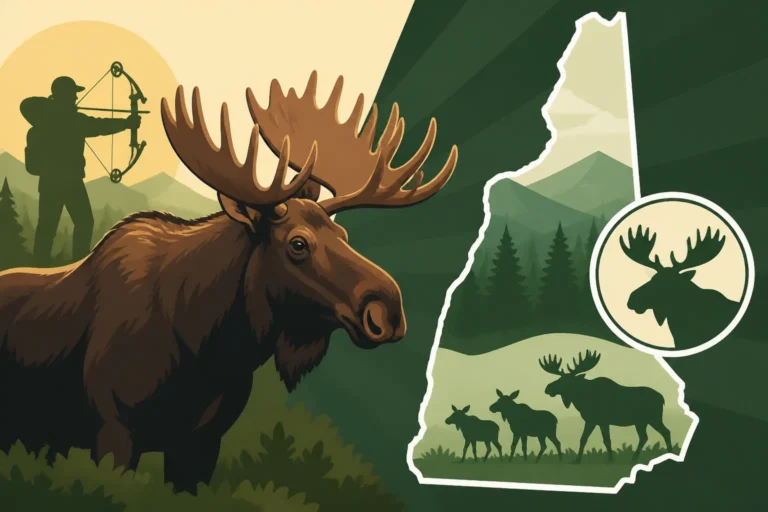
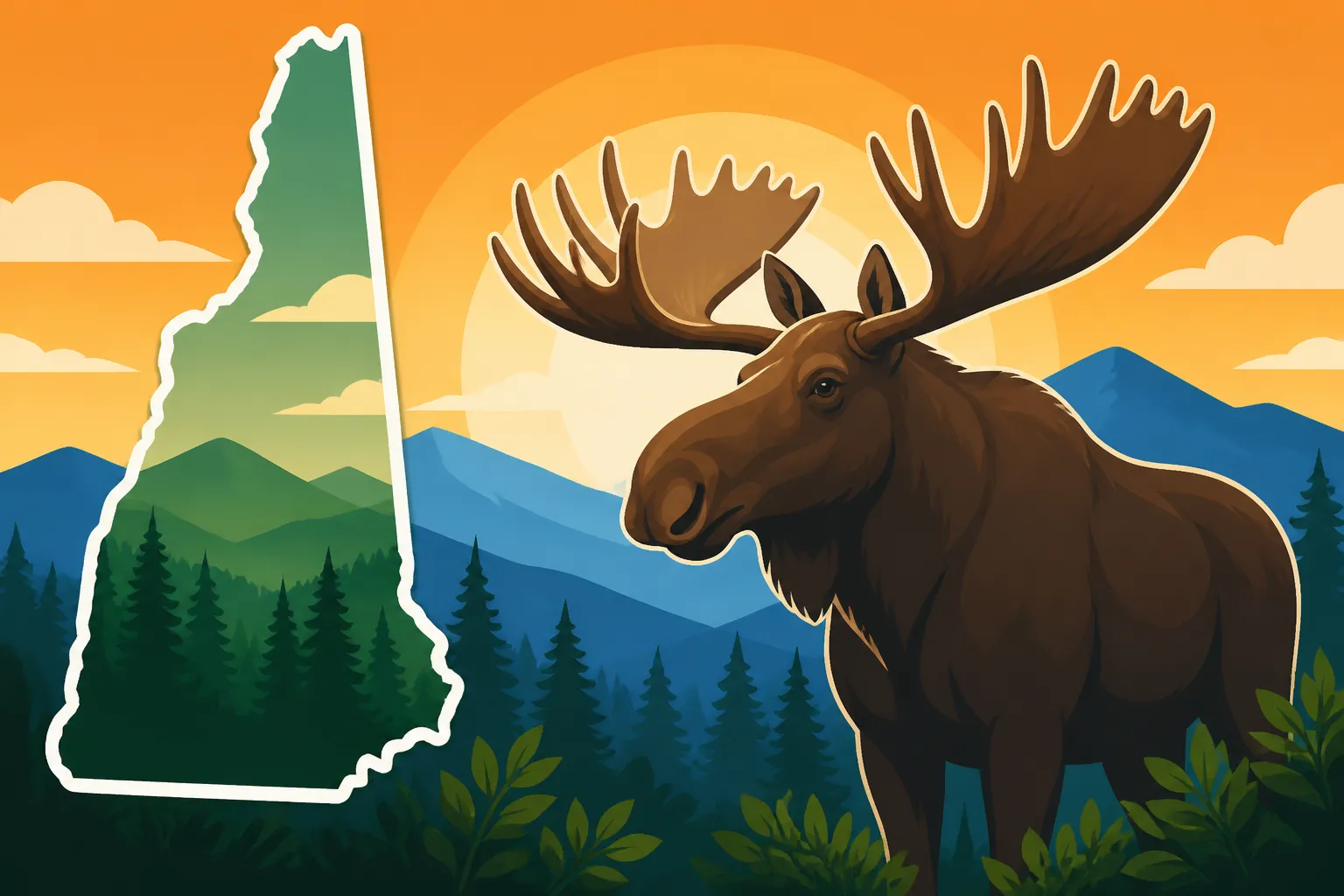
It's a question many of us New Hampshire residents, and visitors alike, ask when we're driving through the North Country or hiking a remote trail: "How many moose actually live in our beautiful state?" There's a certain magic to seeing one of these magnificent animals, and it’s natural to wonder about their numbers. This guide will dive deep into the fascinating story of New Hampshire's moose population, from their historical comeback to the challenges they face today, giving you a clearer picture of these iconic creatures.
The Grandeur of New Hampshire Moose and Their Historical Journey
The New Hampshire moose holds a special place in the hearts of those who cherish our wild spaces. They embody the untamed spirit of the Granite State's vast forests and remote bogs. Understanding their current status first requires a look back at where they've come from.
A Legacy of Giants and a Remarkable Comeback
It's hard to imagine, but at one point, moose were nearly extirpated from New Hampshire. By the late 1800s, unchecked market hunting and significant habitat destruction from logging had pushed these giants to the brink. They were a rare sight, and many believed they might vanish entirely from our landscape. However, through dedicated conservation efforts, improved forest management practices allowing for habitat regeneration, and the establishment of hunting regulations, the moose slowly began to rebound in the early to mid-20th century. This recovery is a testament to the resilience of nature and the power of committed conservation.
The Peak Years and What We Saw
The moose population truly hit its stride in New Hampshire during the late 1990s and early 2000s. If you were driving Route 3 in Pittsburg or anywhere north of the notches during those years, you probably remember seeing them fairly regularly along roadsides, in clear-cuts, and even in residential areas. These were the boom times, with the herd reaching what many biologists considered peak numbers, sometimes estimated to be well over 7,000 animals. The expansive younger forests created by logging in prior decades provided abundant browse, and suitable winter conditions allowed the population to flourish. It felt like moose were everywhere, a truly incredible sight for anyone who loved the outdoors. This period really shaped our collective memory of moose abundance, making current numbers feel stark in comparison.
Understanding Current Moose Population Estimates
So, after the peak, what's the story today? Pinpointing an exact number for a wild, wide-ranging animal like a moose is incredibly challenging, but wildlife biologists employ several sophisticated methods to get the best possible estimates.
How New Hampshire Fish and Game Tracks Moose
New Hampshire Fish and Game biologists use a combination of techniques to estimate moose numbers. One of the primary tools is aerial surveys, conducted from helicopters, typically in late winter when snow cover makes moose more visible against the white backdrop and before leaf-out. These surveys focus on specific New Hampshire Wildlife Management Areas (WMUs) and provide crucial data on density and distribution. Beyond aerial counts, biologists also rely on field observations, data collected from harvested animals during hunting season, and advanced population modeling. Every piece of information helps paint a clearer picture of the health and size of the herd. While a tool like GoHunt won't give you real-time population counts, it can be invaluable for hunters looking at historical harvest data and trends, which directly feeds into these state estimates.
The Latest Numbers and What They Mean
While we don't use real-time data, it's widely acknowledged that New Hampshire's moose population has declined significantly from its peak in the early 2000s. The current estimates suggest a statewide population that is considerably lower, often talked about in the range of a few thousand animals, rather than the several thousand we saw during the boom. This isn't just a hunch; it's a trend that wildlife biologists have been observing and studying intently for years. The numbers tell a story of a herd under pressure, necessitating careful management and continued research to understand and mitigate the factors contributing to this decline. You can delve into the specifics of this trend by reading more about the New Hampshire Moose Population Decline Since the 1990s.
Moose Density by Wildlife Management Unit
It's important to remember that moose aren't evenly distributed across the state. Their numbers and densities vary quite a bit depending on the region and the specific Wildlife Management Unit (WMU). Generally speaking, the highest densities of moose are found in the northernmost WMUs, particularly in the North Country like WMU A, B, and C, where extensive forests and less human development provide ideal habitat. Areas like the Connecticut Lakes Headwaters Hunting Access and the Umbagog Lake Region Hunting Access are prime examples of places where you're more likely to encounter moose. As you move south into more populated or developed areas, moose densities tend to drop off significantly. This regional variation is critical for management decisions, as different WMUs might face unique pressures or have varying habitat quality. Hunters using platforms like GoHunt often filter data by WMU to understand local trends, which can influence where they apply for a permit or focus their scouting efforts.
The Challenges Facing New Hampshire's Moose Herd
The decline in New Hampshire's moose population isn't a mystery; it's largely attributed to a complex interplay of environmental factors, with one particular foe standing out above the rest.
The Winter Tick Epidemic
Without a doubt, the most significant threat to New Hampshire's moose population is the winter tick, Dermacentor albipictus. Unlike deer, which have evolved with ticks and can effectively groom them off, moose are extremely vulnerable. In recent decades, milder winters, often linked to broader climate patterns, have allowed more winter tick larvae to survive into the spring. This leads to massive infestations on individual moose, sometimes tens of thousands of ticks on a single animal. The constant blood loss, especially on calves, can lead to severe anemia, weakness, and hypothermia, ultimately resulting in high calf mortality rates. Adult moose also suffer, often rubbing off large patches of fur to relieve the intense itching, which further compromises their ability to regulate body temperature. This ongoing Why Winter Ticks Threaten New Hampshire Moose phenomenon is the primary driver behind the herd's struggle, with specific studies highlighting How Many Ticks Infest a New Hampshire Moose Calf and the devastating impact this has.
Habitat Changes and Other Factors
While winter ticks are the major culprit, other factors play supporting roles in the moose's challenges. As forests mature, the dense, young growth that moose prefer for browse becomes less prevalent. Moose thrive on the regenerating shrubs and saplings found in clear-cuts and disturbed areas, which older, more mature forests don't provide as readily. Additionally, while not as significant as tick-induced mortality, issues like vehicle collisions, particularly in areas where moose habitats intersect with major roadways, contribute to mortality. Though they are a minor cause compared to ticks, these factors collectively add pressure to an already stressed population. Hunters scouting areas like Hunting a Clear-Cut Regrowth Edge or Hunting a Timbered Fence Line for Deer might notice these habitat variations.
Management Strategies and Conservation Efforts
New Hampshire Fish and Game is actively engaged in adaptive management strategies to address the moose population decline. This includes reducing the number of moose permits issued, particularly in WMUs most affected by winter ticks, to alleviate pressure on the herd. They also conduct extensive research into moose health, tick prevalence, and habitat use, collaborating with universities and other agencies. The data gathered from hunter-harvested moose is incredibly valuable for these studies, providing insights into herd health, age structure, and tick loads. Efforts are also made to educate the public about the challenges moose face, fostering a broader understanding and appreciation for these magnificent animals and the need for their conservation.
What the Future Holds for New Hampshire Moose
Looking ahead, the future of New Hampshire's moose herd is intertwined with broader environmental changes and ongoing conservation efforts.
Long-Term Outlook and Climate Considerations
The long-term outlook for New Hampshire moose remains a topic of considerable discussion among wildlife experts. With climate change continuing to influence winter temperatures and snowpack, the challenge of winter ticks is unlikely to diminish on its own. It's possible that the moose population may stabilize at a lower density than the peak numbers seen in the early 2000s, adapting to a new ecological equilibrium. However, continued monitoring and adaptive management will be crucial. The ability of the herd to rebound will largely depend on future environmental conditions and the success of conservation strategies designed to minimize human-caused stressors and maximize the moose's natural resilience.
The Role of Hunters in Moose Conservation
Hunters play a unique and vital role in moose conservation in New Hampshire. The highly coveted moose permit lottery generates significant funds that directly support wildlife research and management efforts, including those focused on moose. Furthermore, the mandatory reporting and biological sampling of harvested moose provide critical data points for biologists. This information helps monitor herd health, tick burdens, and reproductive success, which are essential for making informed management decisions. While a tag is What a Once-in-a-Lifetime Moose Tag Means for many, the collective impact of hunters contributes significantly to the state's understanding and care of its moose population. Those interested in pursuing this incredible opportunity can learn more about the New Hampshire Moose Lottery Application Process and specific costs like New Hampshire Moose Permit Cost for Residents or New Hampshire Moose Permit Cost for Nonresidents. Tools like GoHunt can also offer insights into past draw odds and harvest success rates, helping prospective hunters plan their strategy and understand their contribution to conservation.
Navigating New Hampshire's Deer Registration Process During Blackout Periods
It's happened to almost every New Hampshire hunter at some point: you've successfully harvested a deer, your heart is still thumping with excitement, and then you remember it's one of those specific times when the online deer registration system is temporarily unavailable. This "blackout period" can feel like an unnecessary hurdle, leaving you scrambling to figure out how to legally report your harvest. Don't worry, this guide will walk you through exactly what those blackout days are, why they exist, and how you can still register your deer in person when the digital doors are temporarily closed.
Understanding New Hampshire's Registration Blackout Days
The concept of a "blackout day" might seem a little archaic in our increasingly digital world, especially when you're used to the convenience of registering your deer online or via an app. But these specific periods are in place for a good reason, primarily to ensure accurate data collection during critical hunting seasons.
What Are Blackout Days and Why Do They Exist?
New Hampshire's Fish and Game Department typically implements blackout periods on their online and app-based deer registration systems during the initial days of the statewide firearms season and sometimes during the muzzleloader season. The main reason for this is to facilitate in-person data collection at physical registration stations. During these peak hunting periods, particularly the frenetic opening days of firearms season when a large volume of deer are harvested, biologists want to have direct access to deer for collecting biological samples.
These samples provide invaluable data on herd health, age structure, reproduction rates, and disease surveillance across various New Hampshire's WMU-Based Deer Season Structure. For example, they might measure antler beam diameters, check for lactation in does, or collect teeth for aging. This hands-on approach allows them to gather a wealth of scientific information that simply cannot be obtained through a digital submission. It’s not about making your life harder; it’s about making sure they get the most accurate, boots-on-the-ground assessment of the deer herd during crucial harvest windows.
When Do These Blackout Periods Occur?
Typically, these registration blackouts align with the opening days of the most popular deer hunting seasons. You'll often find a blackout during the first few days of New Hampshire's November Firearms Deer Season, which sees the highest volume of deer taken. Sometimes, there might also be a shorter blackout period around the start of New Hampshire's Muzzleloader-Only Ten Days. The exact dates can shift slightly year to year, so it's absolutely critical to always check the current New Hampshire Hunting Digest before you head out into the woods. Don't rely on what happened last year, because regulations and dates can change. A quick look at the digest will clearly outline when the online system goes dark and when in-person registration is required. Missing this detail can lead to a lot of frustration and unnecessary driving after a successful hunt.
Navigating In-Person Registration During a Blackout
So, you've checked the digest, the online system is indeed blacked out, and you're standing proudly over your harvested deer. Now what? The process for in-person registration is straightforward, but it requires knowing where to go and what to bring.
Finding an Open Registration Station
During blackout periods, New Hampshire Fish and Game ensures that numerous official deer registration stations are open across the state. These stations are typically local sporting goods stores, general stores, gas stations, or even some dedicated Fish and Game facilities that have partnered with the state. You can find a comprehensive, up-to-date list of these stations in the annual New Hampshire Hunting Digest or on the Fish and Game website. It's a really good idea to identify the closest one to your hunting area before opening day, especially if you're hunting in a remote spot like the White Mountain National Forest or Hunting the North Country. You don't want to be trying to find service to pull up a map with a deer on the ground at dusk! Knowing your nearest options, and perhaps a backup, can save you a lot of time and stress.
What to Bring and What to Expect at the Station
When you arrive at a registration station, you'll need to have a few key things ready. First and foremost, you must have your valid New Hampshire hunting license and any required deer permits. The physical deer itself needs to be transported with its tag securely attached, as required by law.
At the station, the attendant (or in some cases, a Fish and Game biologist) will collect information about your harvest. This usually includes:
- Your Name and License Number: Standard identification.
- Date and Time of Kill: Helps track harvest timing.
- Location of Kill: Crucial for understanding deer distribution. You'll likely need to provide the WMU (Wildlife Management Unit) and sometimes a town or specific area.
- Sex of the Deer: Buck, doe, or fawn.
- Antler Points (if a buck): For antlered deer, they'll count the points.
- Weapon Used: Rifle, muzzleloader, shotgun, or archery equipment.
- Estimated Weight: Many stations have scales, or they'll ask for your best estimate.
This is also where Fish and Game personnel or volunteer cooperators might ask to take biological samples from your deer. They might inspect teeth to determine age, measure antler characteristics, or check other health indicators. It's a quick process, and your cooperation provides vital scientific data that helps manage the deer herd for all of us. After the information is recorded and any samples are taken, you'll receive an official registration tag that must remain with the deer until it's processed. This is your proof of legal harvest.
Special Considerations for Blackout Days and Data Collection
The in-person registration process during blackout days isn't just a regulatory hoop; it's a direct connection to the science of wildlife management. When you bring your deer to a station during these periods, you're not just registering it; you're actively contributing to the overall health and understanding of New Hampshire's deer herd. The sheer volume of deer harvested during the Hunting the November Firearms Opener means a concentrated effort to gather as much biological information as possible.
For instance, getting accurate weights and antler measurements from a large sample of deer allows biologists to track the health of the herd and see how different management strategies are working. Checking for lactation in does helps determine reproductive success in different areas. All of this hands-on data helps inform future season structures, antlerless permit allocations, and habitat management efforts across the state. So, while it might add a short detour to your post-hunt plans, remember that you're playing a direct role in the White-Tailed Deer Across New Hampshire conservation for generations to come.
Beyond the Blackout: Other Registration Options
While blackout days require in-person registration, it's worth noting the standard registration process for the rest of the season, which provides more flexibility.
Online and App-Based Registration
For the vast majority of New Hampshire's hunting season, outside of those specific blackout days, hunters have the convenience of registering their deer online or through the official New Hampshire Fish and Game mobile app. This is a game-changer for many, allowing you to report your harvest from the comfort of your home or even while still out in the field if you have cell service. You'll input similar information as you would at a physical station, and the system will generate a confirmation number or tag that you'll need to record. This digital option is available for Bowhunting New Hampshire's Long Archery Season, the later parts of firearms and muzzleloader seasons, and for any deer taken during Hunting the December Archery Close. It's incredibly convenient and widely used, proving that while in-person blackouts are necessary for specific data needs, the state embraces modern technology for the rest of the season.
The Importance of Prompt Registration
Regardless of whether you're registering in person during a blackout or using the online system, prompt registration is not just a recommendation—it's a legal requirement. New Hampshire law dictates that you must register your deer within a specified timeframe after harvest. This ensures that all harvested deer are accounted for in the annual statistics, which are vital for accurate population assessments and future management decisions. Failing to register a deer properly and promptly can result in legal penalties, so always prioritize this step after you've made a successful harvest. Knowing The New Hampshire Deer Reporting Deadline is just as important as knowing your season dates.
Disclaimer
This article is for general informational purposes only and does not constitute professional advice. Laws, prices and regulations vary by location and change over time. Consult a qualified professional for guidance on your specific situation.