How Many Black Bears Live in New Hampshire
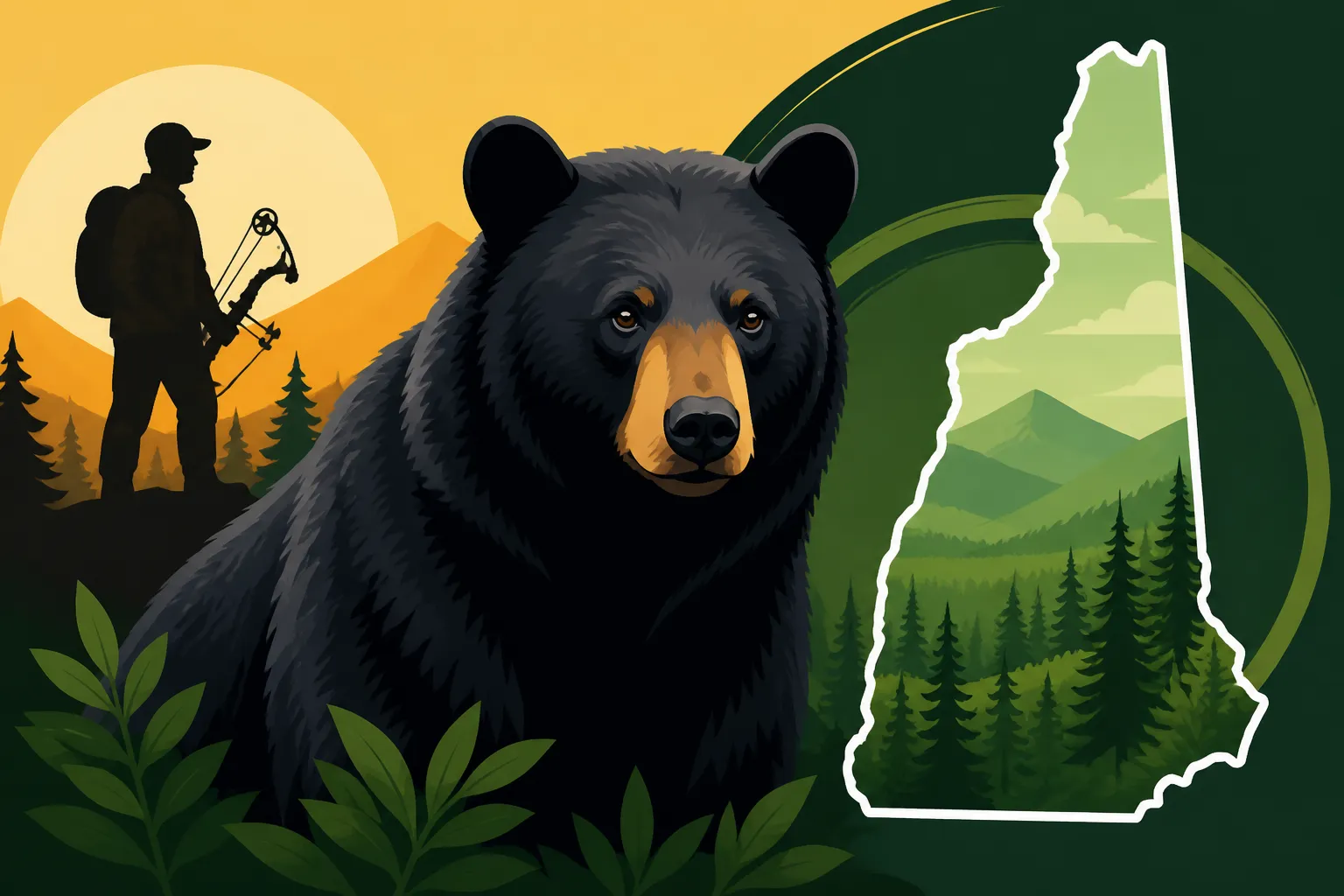
Ever wondered how many black bears actually roam the vast, wild woods and mountains of New Hampshire? It's a question many hunters, hikers, and even those of us who just appreciate our state's incredible wildlife often ponder. There's a certain mystique around bears, and understanding their numbers is key to appreciating their role in our ecosystem and the unique hunting opportunities they present. This guide will dive deep into the estimated black bear population in the Granite State, shedding light on how these figures are determined, what they signify for hunting, and how we can all continue to coexist safely with these magnificent animals.
New Hampshire's Thriving Black Bear Population
For many years, black bears in New Hampshire have been a conservation success story. Unlike some areas where populations struggle, New Hampshire has seen a robust and growing bear population. It's a testament to good habitat management and responsible hunting practices that these incredible animals continue to thrive here. When you're out in the woods, whether you're deer hunting or just enjoying a quiet hike, the thought of encountering a bear is always there, and knowing their numbers helps put that into perspective.
How Wildlife Biologists Estimate Bear Numbers
Pinpointing an exact number of bears in any large, wild area is incredibly challenging, almost like trying to count every single pine needle in the White Mountain National Forest. Wildlife biologists rely on a combination of scientific methods to arrive at reliable population estimates. It's not a precise count, but rather a well-informed approximation that allows for effective management. These estimates are crucial for setting appropriate hunting seasons and understanding the overall health of the bear population.
One primary method involves mark-recapture studies, where bears are humanely trapped, tagged, and released. If a tagged bear is recaptured or harvested by a hunter, it provides valuable data. Den studies, where biologists locate and examine hibernating bears and their cubs, also offer direct insights into reproductive rates and cub survival. Furthermore, robust data comes from hunter harvests. Each year, when hunters register a bear, information like sex, weight, and location is collected. Over time, this harvest data, when analyzed alongside other factors, gives biologists a strong indication of population density and trends across various Wildlife Management Units (WMUs). For those who use mapping tools like GoHunt, understanding how these WMU boundaries influence population data can be quite insightful for planning a hunt or even just understanding local wildlife dynamics.
Tracking Population Growth and Distribution
New Hampshire's black bear population has shown a significant upward trend over the past few decades. From what was once a relatively sparse population, bears have expanded their range across the state, moving beyond the traditional "North Country" strongholds into more populated southern areas. This expansion is largely due to excellent habitat availability, particularly abundant mast crops like acorns and beechnuts, and strong management practices by New Hampshire Fish and Game. It's truly incredible how these animals have adapted and flourished.
This growth isn't uniform across the entire state, however. Bear densities remain highest in the forested northern and western regions, such as the areas covered by Moose in New Hampshire's North Country where vast tracts of undeveloped land provide ideal bear habitat. However, even the more suburban WMUs are seeing increased bear activity. This means a greater chance of encounters for homeowners and outdoor enthusiasts, which underscores the importance of proper bear-aware practices.
What These Numbers Mean for New Hampshire Hunters
For hunters, a healthy and growing black bear population is fantastic news. It means more opportunities, more robust management, and a greater chance of a successful hunt. However, it also means a greater responsibility to hunt ethically and understand the specific regulations designed to maintain this balance.
Hunting Opportunities and Success Rates
A strong bear population directly translates to excellent hunting opportunities. New Hampshire offers various methods for hunting black bears, including baiting, still-hunting, and hunting with hounds. The seasons vary by WMU and method, so it's absolutely vital to be precise with your planning. If you're considering New Hampshire Bear Baiting and Hound Rules, for instance, understanding local bear densities can help you choose the most promising locations.
The steady increase in bear numbers has generally correlated with stable to increasing harvest rates, offering a consistent challenge for hunters. However, success isn't just about the number of bears; it's also about understanding their behavior, habitat, and local movement patterns. Tools like GoHunt can be invaluable for scouting, allowing you to overlay historical harvest data, topographic maps, and public land boundaries to identify potential bear hotspots. You can even use it to cross-reference the Checking the Hunting Digest for Your WMU's Bear Dates with specific areas of interest.
Here's a simplified look at the relationship between bear population and hunter harvest over recent, general periods:
| Period (General) | Estimated Population Range | Hunter Harvest (Average) | Trend |
|---|---|---|---|
| Early 2000s | 4,000 – 5,000 | 500 – 700 | Stable |
| Mid 2010s | 5,500 – 6,500 | 700 – 900 | Growing |
| Recent Years | 6,000 – 7,000+ | 900 – 1,100+ | Growing |
Note: These are illustrative figures. Official numbers and specific trends can be found in annual New Hampshire Fish and Game reports.
Identifying Key Bear Habitat by WMU
Bears, like any wildlife, thrive where they find food, water, and cover. In New Hampshire, this often means dense forests, wetlands, and areas with abundant berry bushes, oak stands, and apple trees. The different WMUs across the state offer varying habitats, which in turn influences bear density and activity.
For example, the North Country WMUs (like A, B, and C) are characterized by vast stretches of mixed forest, remote bogs, and mountainous terrain, providing excellent, undisturbed bear habitat. If you're interested in Hunting a Beaver Flowage Edge, these areas often provide prime foraging and travel corridors for bears. Moving south, WMUs like D1 and D2 might have more agricultural land mixed with forest, offering different food sources like cornfields. Understanding these regional differences is crucial for effective scouting and hunting. Tools available on platforms like GoHunt can help you visualize these different habitats, pinpointing areas of dense cover, water sources, and potential food plots, which are all key for locating where New Hampshire Bear Population Estimate are likely to be highest. Knowing the New Hampshire's WMU-Specific Bear Season will also direct your focus to the areas where and when you can legally pursue bears.
Coexisting with Our Bear Neighbors
A healthy bear population isn't just a boon for hunters; it's a vital part of New Hampshire's natural heritage. However, living alongside a robust bear population means accepting responsibility for minimizing human-bear conflicts.
Managing Human-Bear Conflicts
As bears expand their range, interactions with humans inevitably increase. This can lead to conflicts, especially if bears become habituated to human food sources. The biggest frustration many residents face is when a bear gets into trash, bird feeders, or even tries to raid chicken coops. These issues often stem from easily accessible food, not aggressive bears.
The solution lies in proactive management by everyone. This means securing trash in bear-resistant containers, taking down bird feeders from April through November, and protecting beehives or chicken coops with electric fencing. Simple steps can make a huge difference. Educating ourselves and our communities on proper bear-aware practices is paramount. The New Hampshire Fish and Game Department provides excellent resources on how to prevent conflicts, emphasizing that "a fed bear is a dead bear" – meaning habituated bears often have to be euthanized due to safety concerns. Hunters also play a role by ensuring ethical practices and respecting the land, whether it's Public Hunting Land in New Hampshire or private property with permission. Understanding proper field dressing and meat care can also reduce the chances of attracting bears to gut piles near populated areas.
The Role of Conservation and Management
New Hampshire's black bear population didn't just grow by accident. It's the result of decades of thoughtful conservation and management efforts by the New Hampshire Fish and Game Department. Their biologists continually monitor bear health, population dynamics, and habitat conditions. Hunting is a critical management tool, helping to regulate bear numbers in a sustainable way, preventing overpopulation in certain areas, and reducing conflicts. By issuing a certain number of permits each year and setting specific New Hampshire Bear Harvest Numbers by Method, the state ensures the population remains healthy and balanced within its available habitat.
These efforts aren't just about hunting; they're about maintaining a healthy ecosystem for all wildlife and for future generations to enjoy. It’s a complex balancing act, ensuring that bears can thrive while also allowing humans to safely enjoy and interact with New Hampshire's natural beauty. Whether you're planning on Scouting New Hampshire Public Land Before Season or just going for a hike, being aware of and respecting our black bear population is a key part of the Granite State outdoor experience. Don't forget that if you're out there, having the right gear, like Layering for New Hampshire's Cold Hunting Season or Best Boots for North Country Bog Hunting, is essential for a safe and comfortable experience. And, of course, proper training from programs like New Hampshire Hunter Education Requirements ensures everyone understands their role in responsible wildlife interaction. For multi-day excursions into bear country, checking out advice on packing, such as what to include in Gear for a New Hampshire Moose Hunt, can provide valuable insights for bear hunters too.
Disclaimer
This article is for general informational purposes only and does not constitute professional advice. Laws, prices and regulations vary by location and change over time. Consult a qualified professional for guidance on your specific situation.