New Hampshire Wildlife Disease Monitoring Program
As New Hampshire hunters, we cherish the incredible wild places and robust game populations our state offers. But in today's world, it's natural to feel a growing sense of concern about the health of those animals and, by extension, our hunting heritage. This comprehensive guide will walk you through the proactive efforts of the New Hampshire Wildlife Disease Monitoring Program, detailing what it is, why it matters, the specific diseases it targets, and most importantly, how every hunter plays a crucial role in safeguarding our state's cherished wildlife for generations to come.
Understanding New Hampshire's Wildlife Disease Monitoring Program
Hunting in New Hampshire isn't just a pastime; it's a vital part of our culture and a cornerstone of wildlife management. When we head into the woods, we often think about the thrill of the chase, the beauty of the landscape, and the delicious venison or moose meat we hope to bring home. What many of us might not fully consider is the silent, ongoing work behind the scenes to ensure that the game we pursue is healthy and abundant. That's where the New Hampshire Wildlife Disease Monitoring Program comes in, acting as a crucial watchdog for our wild populations.
The "Why" Behind the Program
At its heart, this program exists for several compelling reasons. First and foremost, it's about protecting the long-term health of our wildlife. Healthy animals contribute to stable populations, which in turn ensures sustainable hunting opportunities. Imagine a beautiful spring day, and you're out Spring Turkey Hunting in New Hampshire, listening for that distant gobble – that experience relies on healthy turkey populations that aren't being ravaged by widespread disease. The program is designed to detect potential threats early, allowing wildlife managers to respond swiftly before a localized issue becomes a widespread crisis.
Beyond the animals themselves, there's a significant human element. Many wildlife diseases, known as zoonotic diseases, can potentially transfer to humans. While rare in many cases, understanding and monitoring these diseases helps protect not only hunters but anyone who interacts with wildlife or consumes wild game. This program provides critical data that informs public health advisories and best practices for safe handling of game meat. Lastly, the economic impact of our hunting and outdoor recreation industry is considerable. A healthy ecosystem supports tourism, local businesses, and property values, all of which benefit from a proactive approach to wildlife health.
Collaboration and Stakeholders
The New Hampshire Wildlife Disease Monitoring Program isn't a one-person show; it's a collaborative effort involving various agencies, experts, and, crucially, the public. The New Hampshire Fish and Game Department leads the charge, deploying biologists, game wardens, and other staff to collect data, conduct field investigations, and manage responses. They often work hand-in-hand with academic institutions like the University of New Hampshire, leveraging scientific expertise for diagnostics, research, and understanding complex disease dynamics.
But here's the thing: hunters are absolutely indispensable stakeholders in this process. You are often the first eyes on the ground, observing animals in their natural habitats. Your reports of unusual behavior, sick animals, or unexplained mortalities are incredibly valuable. When you interact with Fish and Game staff, whether it's checking in an animal or simply asking questions at a local event, you're part of this larger network. Even using tools like GoHunt to familiarize yourself with specific WMU rules or potential areas of concern helps you become a more informed participant in wildlife health stewardship.
Key Diseases Monitored in New Hampshire
While New Hampshire boasts some of the healthiest game populations in the country, especially compared to some neighboring states, remaining vigilant is key. The state's disease monitoring program focuses on several critical threats, with some diseases demanding more attention than others due to their potential impact on game species and our hunting opportunities.
Chronic Wasting Disease CWD Surveillance
Chronic Wasting Disease (CWD) is undoubtedly the elephant in the room when talking about deer and moose health across North America. It's a fatal neurological disease affecting cervids (deer, elk, moose, and caribou) and has unfortunately spread through many states. New Hampshire has remained CWD-free, a status we all want to protect fiercely. The monitoring program undertakes rigorous New Hampshire's CWD Surveillance Program efforts, often relying on samples submitted by hunters.
Every year, Fish and Game asks hunters to provide lymph node samples from harvested deer and moose, especially from specific areas or during certain periods. This proactive testing helps ensure that if CWD ever did arrive, it would be detected as quickly as possible, allowing for rapid response. It's an inconvenience, perhaps, but a small one when you consider the alternative. You can find more specific details about how we've managed to stay clear of this disease in articles like Why New Hampshire Has Stayed CWD-Free. Maintaining this disease-free status is paramount to continuing White-Tailed Deer Across New Hampshire hunting traditions.
Winter Tick Impact on Moose
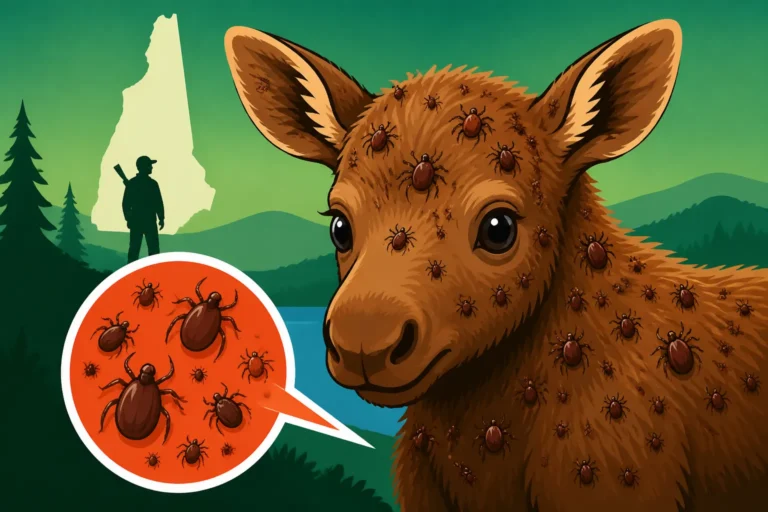
Another significant focus for the disease monitoring program is the devastating effect of winter ticks on our moose population, particularly in the North Country. These aren't your typical deer ticks; winter ticks can infest a single moose with tens of thousands of individuals, literally bleeding them dry over the colder months. This issue has led to noticeable declines in the Moose in New Hampshire's North Country population, and biologists are working tirelessly to understand and mitigate the impact. You can delve deeper into this specific challenge by reading Why Winter Ticks Threaten New Hampshire Moose.
The monitoring program tracks moose health through various means, including aerial surveys, examining harvested animals, and responding to reports of sick or dead moose. This data helps wildlife managers make informed decisions, which might include adjusting harvest quotas or focusing research efforts on mitigating tick populations. The decline of moose from these parasites has been a tough pill to swallow for many hunters who have seen the New Hampshire Moose Population Decline Since the 1990s.
Other Relevant Wildlife Diseases
While CWD and winter ticks are major concerns, the program also keeps an eye on a broader spectrum of wildlife diseases. For example, rabies is always a concern, especially in furbearers and some small game, due to its zoonotic nature. Avian influenza can occasionally affect waterfowl, and while not typically a huge hunting concern, it's monitored to understand potential spread. Lyme disease, carried by deer ticks, is a human health concern, and while deer are carriers rather than sufferers, their populations and movements are observed.
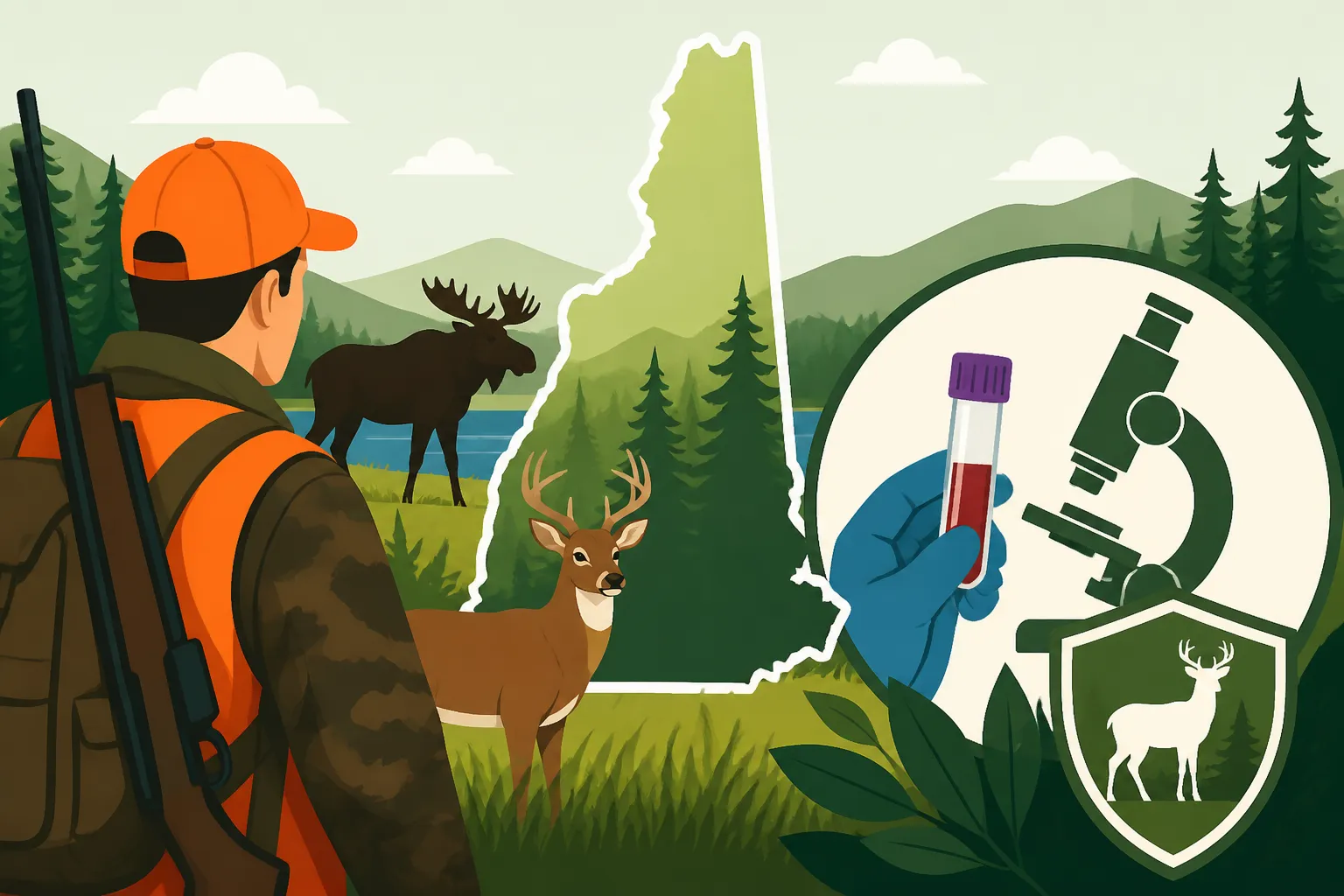
General health assessments of harvested game also provide valuable insights. Biologists might examine organs, look for unusual lesions, or collect blood samples to screen for a range of pathogens. This holistic approach, often detailed in the New Hampshire Deer and Moose Disease Monitoring efforts, ensures that potential emerging threats don't go unnoticed. It’s a constant, evolving process, much like adapting our hunting strategies to changing weather or game patterns.
How Hunters Contribute to Disease Monitoring
As hunters, we're not just consumers of wildlife resources; we're crucial stewards. Our unique position in the field means we have a direct impact on the success of the state's disease monitoring efforts. This isn't just about following rules; it's about being actively engaged in protecting the future of hunting in New Hampshire.
Reporting Sick or Unusual Animals
One of the most immediate and impactful ways hunters can help is by reporting any sick, injured, or unusually behaving animals they encounter. Whether you're Still-Hunting White Mountain National Forest Timber or just scouting a local woodlot, if something doesn't look right, make the call. This could be a deer that's emaciated and stumbling, a moose with huge patches of hair loss, or any animal acting aggressively or strangely. Your observation could be the first warning sign of an emerging disease outbreak or an isolated incident requiring intervention.
It's important to note the location, time, and specific observations you make. Take photos or video if you can do so safely. Then, contact the New Hampshire Fish and Game Department directly. They have biologists and wardens trained to assess these situations. Don't assume someone else will report it; your individual vigilance can make all the difference in catching a problem early.
Submitting Samples
For diseases like CWD, submitting biological samples from your harvested animals is absolutely critical. After you successfully harvest a deer or moose, you might be asked to provide a lymph node or brainstem sample. While it adds a small extra step to the process, it's a direct and meaningful contribution to the program. The New Hampshire Deer Reporting Requirements often include information on how and where to submit samples, whether it's at a check station or through a designated drop-off point.
These samples are sent to laboratories for testing, and the results provide invaluable data on the overall health of the herd and, specifically, the absence (or presence) of CWD. It's a testament to the partnership between hunters and wildlife agencies – we provide the data, and they use it to manage our resources responsibly. This practice is part of ensuring New Hampshire's CWD-Free Deer Herd remains healthy.
Following Carcass Transport Rules
One of the most effective ways to prevent the spread of CWD and other diseases is by strictly adhering to carcass transport regulations. If you harvest an animal, especially out of state, there are rules about what parts of the carcass you can bring back into New Hampshire. These rules are in place to prevent the physical movement of disease-carrying tissues into our state. You can find detailed information on these regulations in resources like New Hampshire Carcass Import Restrictions.
Furthermore, New Hampshire has specific rules regarding the use of natural deer lures, particularly those made from deer urine or other bodily fluids. These lures can potentially carry prions (the infectious agents that cause CWD). The New Hampshire's Ban on Natural Deer Lures Explained article provides clarity on why these regulations are in place and why it's so important for hunters to comply. We all want an edge in the woods, but not at the risk of our entire deer population. Using alternative, synthetic lures is a small adjustment for a huge benefit.
Impact on Hunting and Game Management
The diligent work of the New Hampshire Wildlife Disease Monitoring Program, coupled with the active participation of hunters, has tangible effects on how we manage our game and experience our hunting seasons. This isn't just academic science; it directly influences our time afield.
Regulatory Decisions and Season Adjustments
The data collected by the disease monitoring program directly informs the New Hampshire Fish and Game Department's regulatory decisions. If a specific disease begins to impact a population, like winter ticks with moose, wildlife managers might adjust permit numbers or season lengths to help the population recover. Similarly, if CWD were ever detected, swift and decisive regulatory changes would be implemented in affected areas, potentially impacting hunting zones or specific methods.
These decisions are never made lightly; they are based on sound science and the best available data from programs like this. When you see changes in season dates, bag limits, or weapon restrictions, understand that often, the health of the herd and the ecosystem, informed by disease monitoring, is a primary driver. It's about maintaining a delicate balance to ensure sustainable hunting opportunities for years to come. Hunters can stay informed by regularly checking the Fish and Game website or using tools like GoHunt for updates relevant to their chosen New Hampshire's WMU-Based Deer Season Structure or New Hampshire Bear Season Dates by WMU.
Protecting the Future of Hunting
Ultimately, the New Hampshire Wildlife Disease Monitoring Program is an investment in the future of hunting. A healthy wildlife population is the foundation of our hunting traditions. Without robust, disease-free animals, hunting as we know it would drastically change, if not disappear entirely in some areas. By actively monitoring for diseases, preventing their spread, and responding effectively when issues arise, the program helps ensure that future generations can enjoy the same incredible experiences we do today, whether it's pursuing White-Tailed Deer Across New Hampshire or participating in the New Hampshire's Moose Permit Lottery.
This collective effort fosters responsible stewardship of our natural resources. It reinforces the idea that hunters are not just participants but essential conservationists, playing a vital role in maintaining ecological balance and wildlife health.
What Hunters Can Do Proactively
Beyond reporting sick animals and submitting samples, there are broader proactive steps hunters can take. Support habitat conservation efforts, which often lead to healthier, more resilient wildlife populations. Practice ethical hunting, ensuring clean kills and proper field dressing, which minimizes waste and potential issues with meat quality. Consider getting involved in local conservation groups or joining a hunting club; these organizations often play a role in promoting healthy wildlife and advocating for responsible management. Understanding the New Hampshire Hunter Education Requirements goes beyond safety; it instills a deeper appreciation for conservation.
Every license purchased, every tag filled, and every conversation about responsible hunting contributes to the overall health and longevity of our outdoor traditions. It’s a collective responsibility, and by staying informed and engaged with programs like the New Hampshire Wildlife Disease Monitoring Program, we ensure that the wild places and wild game we love continue to thrive.
Hunter's Role in Wildlife Health Monitoring
| Action | Why it Matters | How You Can Help |
|---|---|---|
| Report Sick/Unusual Animals | Early detection prevents widespread outbreaks. | Contact NH Fish and Game with details (location, description, photos if safe) for any animal appearing ill, emaciated, or acting abnormally. |
| Submit Disease Samples | Provides crucial data for CWD and other disease surveillance. | Comply with requests to submit lymph node/brainstem samples from harvested deer/moose at designated check stations or drop-off points, especially during specific surveillance periods. |
| Follow Carcass Transport Rules | Prevents the introduction of diseases like CWD from other regions. | Understand and adhere to New Hampshire Carcass Import Restrictions when bringing game meat or parts from out-of-state. Do not transport high-risk parts. |
| Avoid Prohibited Lures | Reduces the risk of spreading CWD prions through natural attractants. | Do not use natural deer urine or other bodily fluid lures. Refer to New Hampshire's Ban on Natural Lures Explained for specific regulations and opt for synthetic alternatives. |
| Support Wildlife Management | Funding and informed decisions ensure long-term game health. | Purchase your New Hampshire Hunting Licenses and What They Cost and permits. Stay informed about regulations and management initiatives. Consider supporting conservation organizations. |
| Practice Ethical Field Dressing | Minimizes risk of spoilage and potential disease transmission to humans. | Proper and prompt field dressing, sanitation, and meat cooling practices are essential for safe consumption of wild game. |
Disclaimer
This article is for general informational purposes only and does not constitute professional advice. Laws, prices and regulations vary by location and change over time. Consult a qualified professional for guidance on your specific situation.