Packing Gear for a New Hampshire Nine-Day Moose Hunt
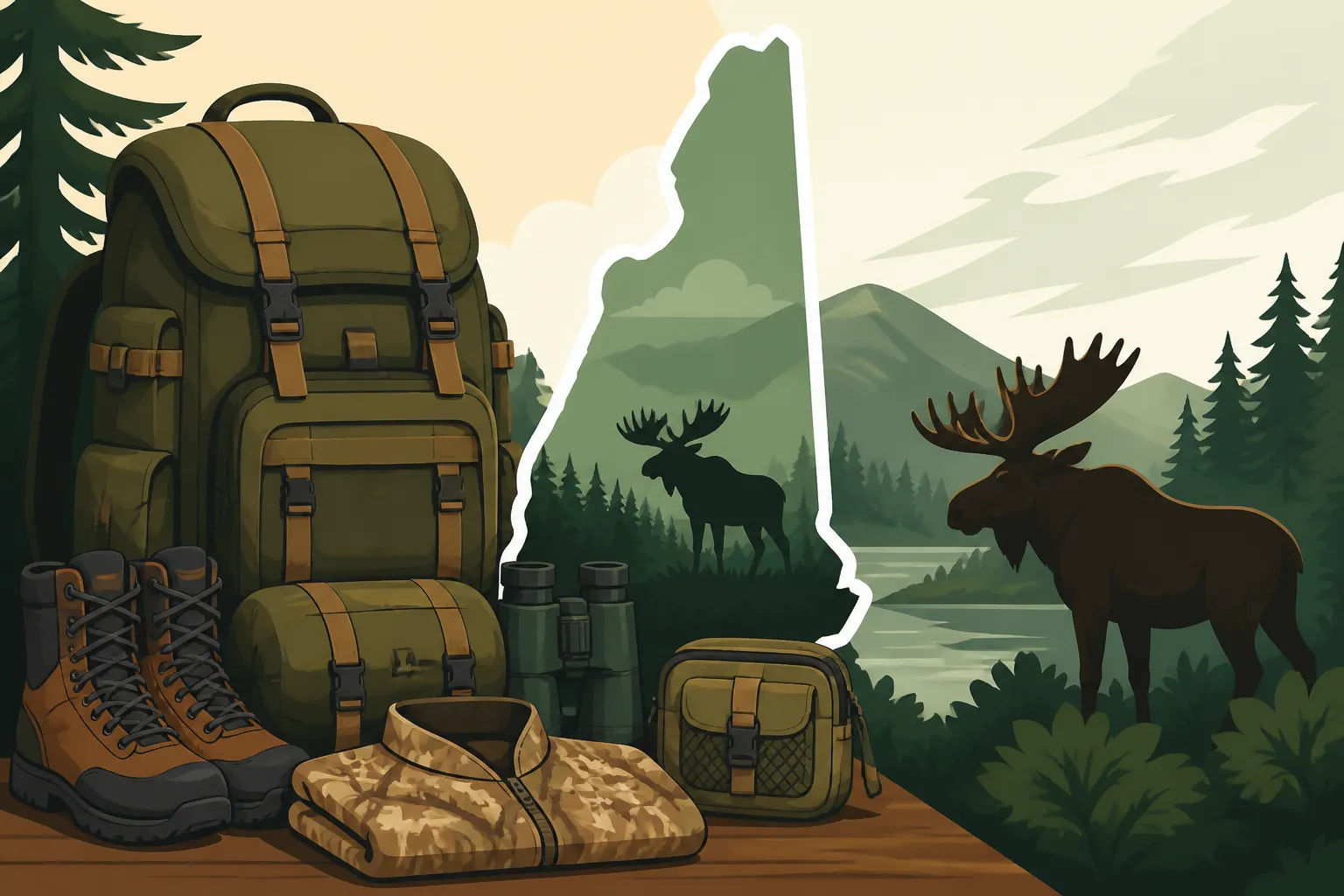
Embarking on a nine-day moose hunt in New Hampshire's vast North Country is an adventure of a lifetime, but it's also a significant logistical undertaking. The remote terrain, unpredictable weather, and sheer size of these magnificent animals can quickly turn a dream hunt into a survival challenge if you're not properly prepared. This comprehensive guide will walk you through the essential gear you'll need to pack, ensuring you're ready for anything the New Hampshire wilderness throws your way, from comfortable camp living to efficient field processing.
The Unique Challenges of a New Hampshire Moose Hunt
A New Hampshire moose hunt isn't just another deer hunt with a bigger target. It demands a different level of preparedness, largely due to the landscape, the climate, and the sheer physicality involved. Thinking through these challenges before you pack your bags will save you a world of trouble once you're out there.
Understanding New Hampshire's North Country Terrain
The North Country of New Hampshire is a land of dense softwood thickets, sprawling bogs, steep granite ridges, and remote logging roads that can quickly turn into mud pits after a rain. Unlike hunting open fields or rolling hardwood hills, moose country often means navigating tangled blowdowns, slogging through wetlands, and climbing rough, uneven ground. This isn't flat, easy walking, and your gear needs to be up to the task of surviving constant abrasion, moisture, and impact. When you're dreaming of calling a bull moose, remember that the terrain is often as much of a challenge as finding the animal itself. You'll likely be hiking significant distances off-trail, through areas that see little human traffic, making robust and reliable gear paramount. Mapping tools like those often highlighted by GoHunt can be invaluable for understanding the contours and cover of the landscape before you even set foot in it.
Weather Variability Over Nine Days
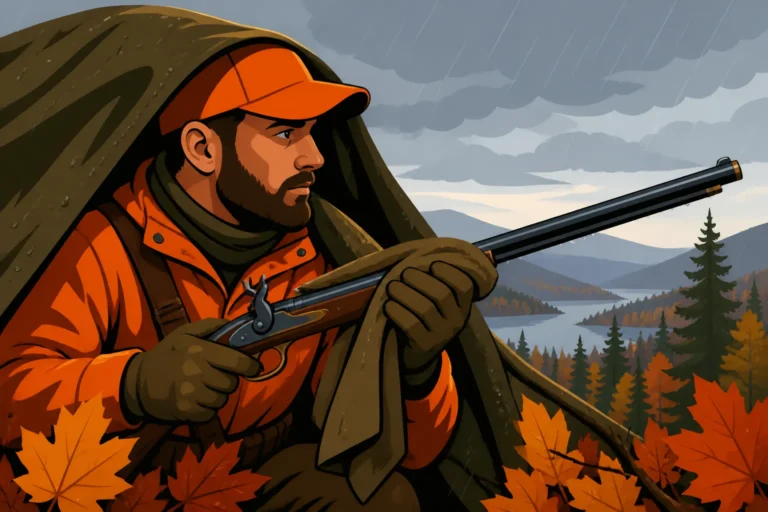
New Hampshire in late September or early October, when moose season often occurs, is notoriously unpredictable. You might start your nine-day hunt with crisp, sunny days that are perfect for hiking, but by day three, you could be facing freezing rain, followed by a dusting of snow, only to have Indian summer return for the final push. This kind of rapid fluctuation in temperature and precipitation means layering isn't just a suggestion; it's a critical survival strategy. Getting wet and cold far from camp can lead to dangerous situations, and conversely, being overdressed can lead to excessive sweating, which ironically can also lead to hypothermia when you stop moving. Your gear choices, especially clothing, need to accommodate everything from chilly mornings to mild afternoons, and torrential downpours to unexpected snow squalls.
The Physical Demands of Moose Hunting
Let's be blunt: harvesting a New Hampshire moose is physically demanding. From the endless miles of scouting and still-hunting through tough cover to the monumental task of field dressing and extracting an animal that can weigh over a thousand pounds, it's not for the faint of heart. You'll be carrying heavy packs, possibly for multiple days away from a vehicle. If you're fortunate enough to tag a moose, the real work begins. Quartering, deboning, and then packing out hundreds of pounds of meat over difficult terrain will test your endurance, your tools, and your resolve. Proper gear, especially a robust pack frame and efficient cutting tools, will be your best friends during this intense phase. Consider your physical conditioning long before the season arrives, and pack gear that supports your strength, rather than hindering it.
Essential Clothing and Layering Systems
When you're out for nine days in New Hampshire's moose country, your clothing isn't just about fashion; it's about survival, comfort, and performance. The key is a versatile layering system that can adapt to rapid weather changes and varying activity levels.
Base Layers and Moisture Management
Your base layer is the foundation of your entire clothing system, and its primary job is to manage moisture. Cotton is an absolute no-go; once it gets wet, it stays wet, robbing your body of heat. Instead, opt for synthetic materials or merino wool. These fabrics are designed to wick sweat away from your skin, keeping you dry and warm even when you're working hard climbing a ridge or slogging through a bog. For a nine-day hunt, you'll want at least two or three sets of base layers. This allows you to swap out a sweaty set for a fresh one, which can be a huge morale booster and prevent chafing. Think about different weights too – a lightweight top for active periods and a heavier one for sitting still in the cold. Best Base Layer for a September Archery Sit might offer some relevant insights into material choices.
A good example might be wearing a lightweight merino wool top and bottom during a long morning hike, knowing that as your body warms up, the merino will continue to move moisture. When you stop for a mid-day glassing session, that moisture won't be trapped against your skin, preventing a chill. Having a spare, dry base layer in your pack for evening wear around camp or for a particularly cold night can make all the difference in staying comfortable and avoiding illness during an extended hunt.
Mid-Layers for Insulation and Warmth
Mid-layers are your primary source of insulation, trapping warm air close to your body. These should also be made from synthetic fleece, down, or heavier merino wool. The beauty of a good mid-layer is its versatility; you can wear one, two, or even three depending on the temperature and your activity level. A common setup might include a medium-weight fleece jacket and a puffier, packable synthetic or down vest or jacket. The ability to add or remove these layers as conditions change is crucial for temperature regulation.
Imagine you're still-hunting through a thick stand of timber in the morning. You might be wearing just your base layer and a medium-weight fleece. As the sun rises and you break into a clear-cut, the temperature might climb, and you can shed the fleece. Later in the afternoon, if a cold front pushes through, you can easily pull the fleece back on, perhaps adding a synthetic puff jacket over it for stationary periods. This adaptable approach helps you stay comfortable without overheating or getting too cold. Best Mid-Layer for a November Firearms Hunt can provide more ideas, even though it's a different season, the principles of layering remain.
Outer Layers for Weather Protection
Your outer layer, often called your shell, is your shield against the elements. It needs to be waterproof, windproof, and durable enough to withstand brush, granite, and potential scrapes from downed timber. Look for jackets and pants made from Gore-Tex or similar proprietary waterproof/breathable membranes. While these can be an investment, they are absolutely worth it for a multi-day hunt in potentially nasty weather. Remember, even if the forecast looks clear, a surprise shower or persistent drizzle can soak through inadequate gear, leading to misery.
Crucially, ensure your outer layers are loose enough to accommodate your base and mid-layers without restricting your movement, especially when you need to shoulder your rifle or climb over obstacles. Features like pit zips and full-length leg zippers are invaluable for ventilation without having to completely remove your outer shell. You'll be glad for a quality rain jacket and pants when a sudden downpour hits while you're five miles from your truck. Best Rain Gear for a Wet White Mountain Hunt would be an excellent resource for choosing the right protective layers.
Core Hunting Gear for Moose
Beyond your clothing, there's a specific set of gear dedicated to the act of hunting itself. This includes your weapon, your visual aids, and tools to attract or conceal yourself from moose.
Rifle, Ammo, and Shooting Support
For moose, you need a powerful and reliable rifle chambered in a cartridge capable of humanely taking down such a large animal. Cartridges like the .30-06, .300 Win Mag, .338 Win Mag, or .375 H&H Mag are popular choices, delivering the necessary energy and bullet construction for thick-skinned game. Always bring more ammunition than you think you'll need – a box or two is a good starting point. Ensure your rifle is zeroed long before the hunt and practice shooting from various field positions. A sling is essential for carrying your rifle comfortably over long distances.
Additionally, consider a bipod or shooting sticks. While you might envision a perfect standing shot, the reality of moose hunting in dense cover often means you'll be shooting from awkward positions, or needing a stable rest for a longer shot across a bog or clear-cut. A bipod or set of portable shooting sticks can provide that crucial stability, especially after a long, tiring hike. Don't forget a soft case for transporting your rifle to and from your hunting area, protecting it from bumps and scratches. For more on weapon choice, check out Best Rifle Caliber for New Hampshire Moose.
Optics for Locating and Evaluating Moose
Moose, despite their size, can disappear remarkably quickly in dense cover. High-quality optics are not a luxury; they are a necessity for locating animals, evaluating their size and sex (to ensure legality), and for safely confirming your shot.
- Binoculars: A good pair of 10×42 or 10×50 binoculars will be your primary scouting tool. Look for excellent low-light performance, robust construction, and a comfortable neck strap or chest harness for easy access. You'll spend hours glassing distant clear-cuts, bog edges, or dense timber for the subtle flick of an ear or the dark outline of a moose. Best Binoculars for a North Country Bog offers great advice on this.
- Rangefinder: Knowing the exact distance to your target is critical for ethical shot placement, especially with powerful calibers that have flatter trajectories. A reliable rangefinder, ideally one that compensates for angle, is invaluable.
- Spotting Scope: While not always necessary for close-quarters timber hunting, if you anticipate glassing large open areas or distant ridges, a lightweight spotting scope can save your legs by allowing you to identify animals from afar.
Ensure your optics are waterproof and fog-proof, as they will undoubtedly be exposed to New Hampshire's damp conditions. A good lens cleaning kit is also a wise addition.
Calling and Scent Control
Moose are highly vocal, especially during the rut, and calling can be one of the most exciting and effective ways to bring a bull into range.
- Moose Calls: Pack a variety of calls, including a birch bark or plastic cone call for cow calls and bull grunts. Practice using them beforehand; sounding authentic is key. A simple raking stick or shoulder blade to simulate a bull thrashing brush can also be very effective. Calling a Bull Moose Into Range provides detailed strategies on this.
- Scent Control: While moose don't have the same reputation for detecting human odor as deer, they are still wild animals with an excellent sense of smell. Take reasonable precautions with scent control, especially if you plan to sit and call. Use scent-free detergents for your hunting clothes, store them in airtight bags, and consider a scent-eliminating spray or even just paying attention to wind direction. Don't underestimate the impact of subtle human odors, especially around food sources or bedding areas.
Field Dressing and Meat Care Essentials
Taking down a moose is only half the battle; the real work often begins after the shot. Proper field dressing and meat care are paramount to ensure you get all that delicious meat out of the woods in prime condition. Neglecting these steps can lead to spoilage and a lot of wasted effort.
Cutting and Processing Tools
You're dealing with a massive animal, so standard deer knives might feel inadequate. You'll need sturdy, sharp tools that can hold an edge.
- Knives: Pack at least two or three sharp, fixed-blade knives. A larger, robust knife for breaking down joints and tougher cuts, and a smaller, finer knife for more delicate work. Carry a sharpener or spare blades for replaceable-blade knives.
- Bone Saw/Axe: A compact bone saw (manual or battery-powered) is invaluable for splitting the pelvis or sternum, or even for quartering larger sections if you choose. Some hunters prefer a small, sharp axe for certain tasks, though a saw is generally safer and cleaner.
- Gloves: Multiple pairs of disposable nitrile gloves are essential for hygiene and to protect your hands from blood, grime, and potential pathogens.
- Rope/Hoist: A strong length of rope (50-100 feet) can be used for dragging, lifting, or tying limbs out of the way during processing. A small block-and-tackle system or a portable hoist can be a godsend if you need to elevate parts of the animal.
Having a good, reliable set of tools makes the arduous task of field dressing much more efficient and less frustrating. Field Dressing a Moose in the North Country details the process and importance of these tools.
Game Bags and Hauling Solutions
Once processed, the meat needs to be protected and transported. This is where specialized gear comes in.
- Game Bags: Invest in strong, breathable game bags specifically designed for large game. These protect the meat from flies, dirt, and debris while allowing it to cool. You'll need enough to cover all quarters, tenderloins, and trim. Avoid plastic tarps or garbage bags directly on the meat, as they trap heat and promote bacterial growth.
- Pack Frame/Game Cart: Unless you're incredibly lucky and harvest a moose right next to a logging road, you'll be packing meat out on your back. A robust external frame pack designed for heavy loads is a must. Options like the Stone Glacier X-Curve or the Kuiu Icon Pro offer excellent load-carrying capabilities. Alternatively, if the terrain allows, a heavy-duty game cart can save your back, but most North Country terrain makes a cart difficult. Best Backpack Frame for a Quartered Moose is a great reference. You'll likely need multiple trips, so being able to comfortably carry 80-100 pounds per load is critical. A GoHunt subscription can often help you identify potential extraction routes and distances on mapping layers.
Cooling and Storage Strategies
Speed is crucial for cooling moose meat, especially if temperatures are mild.
- Coolers/Ice: Have large coolers ready at your vehicle, pre-chilled with ice. As soon as meat comes off the animal, get it into game bags and then into coolers with ice if possible. Dry ice can also be an option for longer transport.
- Ventilation: If you can't get the meat into coolers immediately, hang it in game bags in a shady, airy spot. Ensure air can circulate around each quarter. If the weather is warm, consider taking advantage of colder nighttime temperatures to air-cool the meat before sunrise. A good strategy is to set up a temporary meat pole between two sturdy trees.
- Permit/Tag: Don't forget your hunting permit and tag. These must be properly attached to the animal as required by New Hampshire Fish and Game regulations. Having a waterproof holder for your tags ensures they remain legible.
Camp and Overnight Gear for Extended Stays
A nine-day moose hunt often means spending multiple nights in the backcountry, either in a dedicated camp or on spike camps away from your main base. Comfortable and functional camp gear is vital for recharging and staying focused.
Shelter and Sleeping Systems
Your shelter needs to be robust enough to handle potentially harsh New Hampshire weather, and your sleeping system needs to keep you warm through cold nights.
- Tent/Shelter: Choose a quality 3- or 4-season tent that can withstand strong winds, heavy rain, and even snow. Ensure it's large enough for you and your gear, but not so heavy it's impractical to pack. Consider a wall tent with a stove for a more permanent base camp, or smaller backpacking tents for spike camps. Best Tent for a Multi-Day Public Land Hunt can help you decide.
- Sleeping Bag: A sleeping bag rated for at least 0°F to -20°F (depending on the exact timing of your hunt and your personal tolerance) is a must. Down is lighter and warmer for its weight, but synthetic performs better when wet. Protect your sleeping bag in a waterproof stuff sack.
- Sleeping Pad: A high-quality insulated sleeping pad is as important as your sleeping bag. It provides crucial insulation from the cold ground, preventing heat loss through convection. Don't skimp on this! An R-value of 4 or higher is recommended for cold weather.
Cooking and Hydration
Staying fueled and hydrated is critical for maintaining energy and focus throughout your hunt.
- Stove and Fuel: A reliable, lightweight backpacking stove (like a Jetboil or MSR PocketRocket) with plenty of fuel is essential for cooking hot meals and boiling water. For a larger base camp, a two-burner propane stove might be more appropriate.
- Cookware and Utensils: A simple pot, pan, mug, and spork are usually sufficient. Keep it lightweight and packable.
- Food: Pack non-perishable, high-energy foods that are easy to prepare. Dehydrated meals are great for spike camps, while more substantial options can be enjoyed at a base camp. Don't forget snacks like energy bars, nuts, and dried fruit for quick energy boosts on the go.
- Water Filtration/Purification: You cannot rely solely on bottled water for nine days. A reliable water filter (like a Sawyer Squeeze or Katadyn BeFree) or purification tablets are non-negotiable. Know where potential water sources are on your chosen WMU using mapping tools from GoHunt or similar platforms. Best Water Filter for a Backcountry Moose Camp will offer excellent guidance. Carry at least two liters of water capacity on your person daily.
Personal Items and Emergency Supplies
Even with the best planning, things can go wrong. A well-stocked personal kit and emergency supplies are vital.
- Headlamp/Flashlight: A powerful headlamp with extra batteries is crucial for navigating in the dark, setting up camp, or field dressing after sunset. Consider a second, smaller backup flashlight. Best Headlamp for a Pre-Dawn Granite Climb suggests options.
- Fire Starting Kit: Waterproof matches, a lighter, and a fire starter (like a ferro rod) are essential. Pack multiple methods in separate, waterproof containers.
- Toiletries: Toothbrush, toothpaste, toilet paper, hand sanitizer, and any personal medications. Pack all waste out.
- Repair Kit: Duct tape, cordage, zip ties, and a multi-tool can fix many minor gear failures in the field.
- Power Bank: A fully charged power bank to keep your phone or GPS device running, even if you’re trying to disconnect.
Navigation, Safety, and Communication Tools
In the expansive and often trackless New Hampshire wilderness, knowing where you are, how to get back, and how to call for help if needed is paramount. Don't rely solely on one method; redundancy is key.
GPS and Mapping Technology
Getting lost in the North Country is a serious risk, especially when you're focused on hunting.
- GPS Device: A dedicated handheld GPS unit (like a Garmin InReach Mini or an older eTrex model) is highly recommended. Download detailed topographic maps of your hunting area beforehand. Mark your vehicle, camp, and any trails or landmarks.
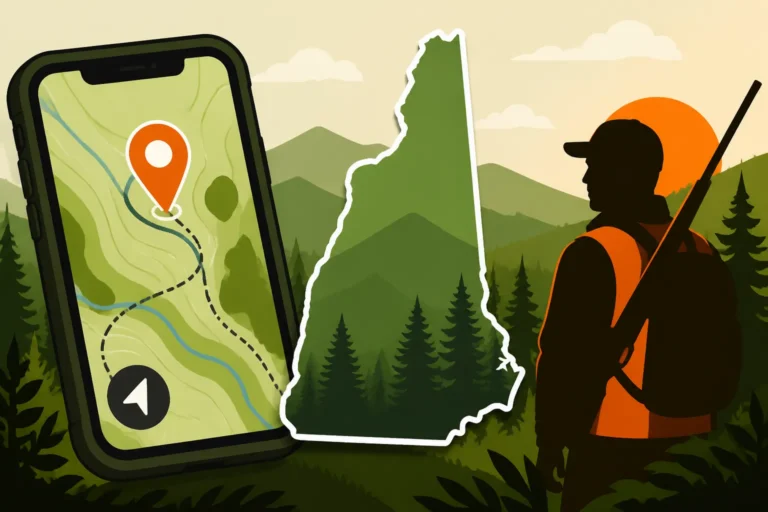
- Mapping App: Supplement your GPS with a robust mapping app on your smartphone, such as those offered by GoHunt, onX Hunt, or Gaia GPS. Download offline maps for your entire hunting area, as cell service is non-existent in much of New Hampshire moose country. These apps can show property boundaries, terrain features, and even recent satellite imagery, which can be immensely helpful for scouting. Just remember, phone batteries can die quickly in the cold.
- Physical Map and Compass: Always carry a waterproof topographic map of your hunting area and a reliable compass. Know how to use them! Batteries die, electronics fail, but a map and compass are always reliable. This old-school method is a critical backup. Knowing how to Reading Aerial Photos for North Country Deer can also apply to moose and help you understand your map.
First Aid and Emergency Preparedness
Accidents can happen, and you might be hours or even days from professional medical help.
- Comprehensive First Aid Kit: Don't skimp here. Your kit should include supplies for cuts, scrapes, blisters, sprains, burns, pain relief, and any personal medications. Consider adding a tourniquet and blood-clotting agent for serious injuries. Ensure someone in your party knows how to use everything in the kit. Best First Aid Kit for a Remote Hunt will give you an in-depth look at what to pack.
- Survival Kit: A small, separate kit containing fire starters, a whistle, a small signal mirror, a space blanket, and a few high-energy snacks. This is for true emergencies if you get separated or truly lost.
- Blaze Orange: New Hampshire hunting regulations typically require a certain amount of blaze orange, especially during firearms season. Ensure you and your hunting partners are highly visible to other hunters. Pack a vest and hat at a minimum.
Communication in Remote Areas
Cell service is virtually non-existent in much of New Hampshire's moose habitat. You need a reliable way to communicate in an emergency.
- Satellite Communicator/PLB: A satellite messenger (like a Garmin inReach or Zoleo) allows you to send text messages via satellite and, crucially, hit an SOS button to alert search and rescue in a true emergency. A Personal Locator Beacon (PLB) is another option, solely for emergency distress signaling. These devices are lifesavers and should be considered mandatory for any remote, multi-day hunt. Best Satellite Communicator for North Country Land provides critical information on these devices.
- Two-Way Radios: For communication within your hunting party, two-way radios (FRS/GMRS) can be useful for short-range communication, especially when moving through dense cover. Just be mindful of their limited range in mountainous terrain.
Here's a quick checklist to help you organize your packing:
| Category | Essential Item | Notes |
|---|---|---|
| Clothing & Layering | Merino/Synthetic Base Layers (2-3 sets) | Wicking, quick-drying. Different weights. |
| Fleece/Synthetic Mid-Layers (2-3) | Insulation, warmth. Versatile for changing temps. | |
| Waterproof/Windproof Outer Shell (Jacket/Pants) | Gore-Tex or similar. Durable and breathable. | |
| Warm Hat, Gloves, Neck Gaiter | For cold mornings and evenings. | |
| Insulated Waterproof Boots | Broken-in and comfortable for long miles in varied terrain. | |
| Wool/Synthetic Socks (multiple pairs) | Moisture-wicking, cushioning. | |
| Core Hunting Gear | Rifle & Ammunition | Appropriate caliber for moose. Practice shooting. |
| Rifle Sling | Comfortable carrying. | |
| Binoculars (10×42/50) | Good low-light performance. Chest harness. | |
| Rangefinder (angle compensating) | Critical for ethical shot placement. | |
| Moose Calls (birch bark/cone) | Practice before the hunt. | |
| Scent Control items | Scent-free detergent, spray. | |
| Field Dressing & Meat Care | Fixed-Blade Knives (2-3, sharp) | Robust and reliable. |
| Bone Saw or Small Axe | For breaking down large bones/joints. | |
| Disposable Nitrile Gloves (multiple pairs) | Hygiene and protection. | |
| Game Bags (large, breathable) | Enough for all quarters, tenderloins, trim. | |
| External Frame Pack or Game Cart | For hauling heavy meat. | |
| Rope/Cordage (50-100 ft) | Dragging, lifting, securing. | |
| Coolers and Ice | Pre-chilled, ready for meat transport. | |
| Camp & Overnight Gear | 3/4-Season Tent/Shelter | Durable, weather-resistant. |
| Sleeping Bag (0°F to -20°F rated) | Appropriate for expected lows. Waterproof stuff sack. | |
| Insulated Sleeping Pad (high R-value) | Crucial ground insulation. | |
| Backpacking Stove & Fuel | For cooking and boiling water. | |
| Cookware, Utensils, Mug | Lightweight, durable. | |
| Dehydrated Meals/High-Energy Food | Non-perishable, easy to prepare. | |
| Water Filter/Purification Tablets | Reliable and sufficient for 9 days. | |
| Headlamp (with spare batteries) | Essential for dark conditions. Backup light. | |
| Fire Starting Kit (multiple methods) | Waterproof matches, lighter, ferro rod. | |
| Toiletries & Personal Medications | Pack out all waste. | |
| Repair Kit (duct tape, cordage, multi-tool) | For minor gear failures. | |
| Power Bank | For charging electronics. | |
| Navigation & Safety | Handheld GPS Device | With pre-loaded maps. |
| Mapping App (with offline maps) | GoHunt, onX Hunt, Gaia GPS. | |
| Physical Topographic Map & Compass | Waterproof, know how to use. | |
| Comprehensive First Aid Kit | Well-stocked for remote situations. | |
| Survival Kit (whistle, signal mirror, blanket) | For true emergencies. | |
| Blaze Orange (hat, vest) | Meets state regulations. | |
| Satellite Communicator/PLB | For emergency communication. | |
| Two-Way Radios (optional, for party comms) | Limited range. | |
| Sunscreen/Insect Repellent (as needed) | For sunny days or unexpected bug hatches. |
Remember, every item in your pack should serve a purpose. A nine-day moose hunt in New Hampshire is a physical and mental test, and being well-equipped is your best defense against the unexpected. Good luck, and stay safe out there!
Disclaimer
This article is for general informational purposes only and does not constitute professional advice. Laws, prices and regulations vary by location and change over time. Consult a qualified professional for guidance on your specific situation.