Hunting a Gated Logging Road Beyond the Public Lot
There's a common frustration many New Hampshire hunters face: you scout a promising spot on public land, hike in, only to find you're surrounded by other hunters who had the same idea because the access was just too easy. The truth is, the more accessible the land, the more pressure it sees. But what if there was a way to find those less-pressured pockets, those hidden gems where deer feel a little safer? This guide will walk you through the often-overlooked strategy of hunting past gated logging roads on public land, showing you how to unlock opportunities many other hunters drive right past.
Understanding the "Why" Behind Gated Logging Roads
It's easy to see a gate across a logging road and immediately think, "Nope, private land, turn around." That's a common misconception, and it's precisely why these areas can be so productive for hunters willing to put in the effort. Gated logging roads exist for a variety of legitimate reasons, but not all of them mean the land beyond is off-limits to foot traffic.
Purpose of Gates on Public Access Roads
Logging roads, whether on state forests, Wildlife Management Areas (WMAs), or even within the vast White Mountain National Forest, are primarily built for timber harvesting. Once the logging operations cease, these roads are often gated to prevent vehicle traffic. This isn't usually an attempt to restrict foot-based recreation, but rather to:
- Prevent Erosion and Habitat Degradation: Vehicles can quickly tear up roads, especially during wet seasons, leading to significant erosion into streams and wetlands. Gating helps maintain the integrity of the land.
- Ensure Public Safety: During active logging, heavy machinery is dangerous. Post-logging, gates prevent joyriding and misuse, which can degrade the road structure or damage sensitive areas.
- Create Primitive Recreation Experiences: By limiting vehicle access, land managers foster a more remote, wilderness-like experience for hikers, snowmobilers, and, yes, hunters, who are willing to walk. It pushes people to truly immerse themselves in the backcountry.
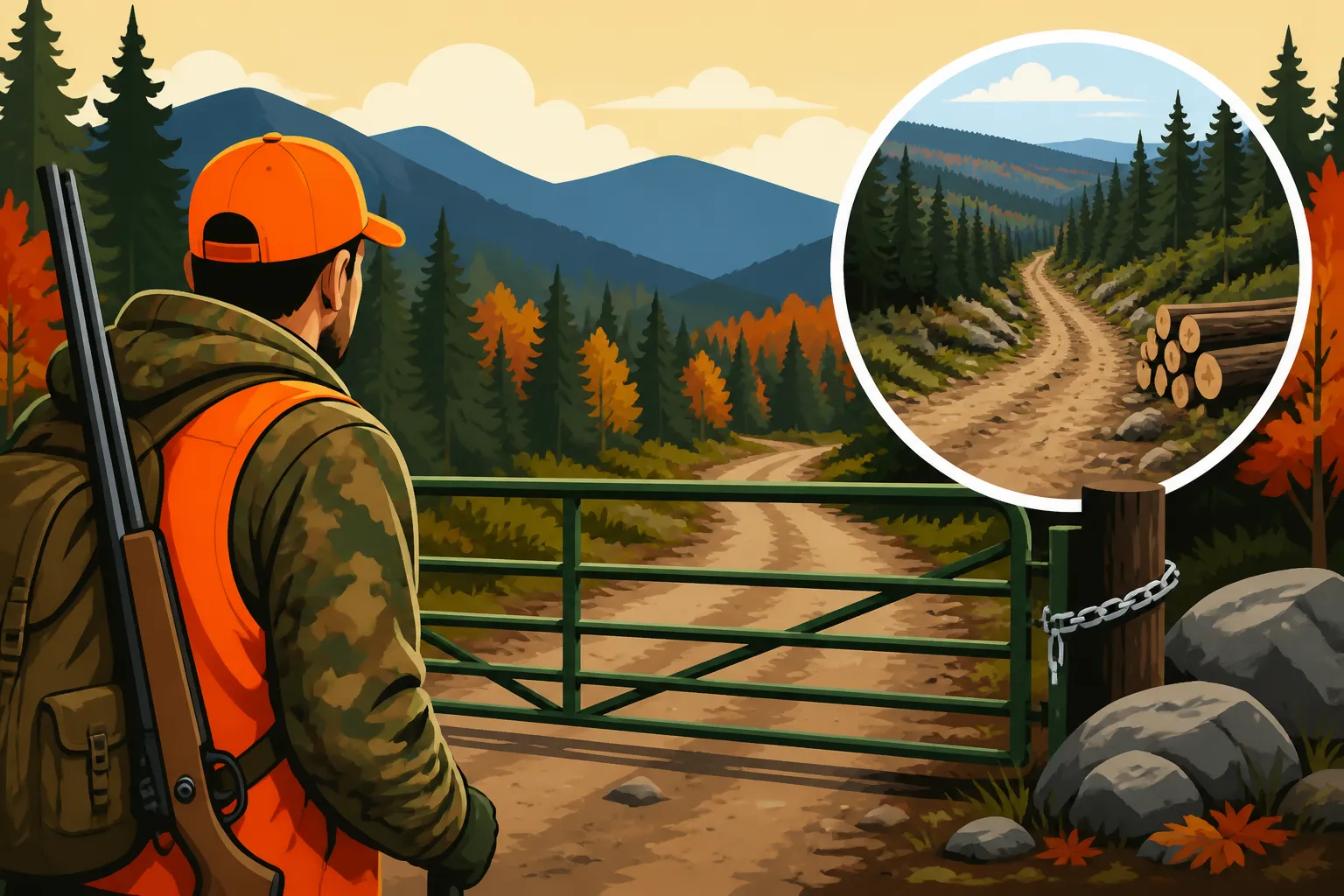
The key takeaway here is that a gate doesn't always equal "no entry." It simply means "no vehicle entry." For the intrepid hunter, this distinction is everything. It often means a longer walk, but also the promise of less disturbance for the game on the other side.
The Hunter's Advantage Beyond the Gate
Think about it: most hunters are looking for convenience. They want to drive as close as possible, minimize their walk, and maximize their sit time. This natural human inclination creates a "donut hole" effect on many public land tracts. The areas closest to the parking lot get hammered, the edges see moderate pressure, but the deep interior—often accessible only by foot past a gate—sees significantly less.
Deer, especially mature bucks, quickly learn to associate human scent, vehicle noise, and easy access points with danger. They adapt their patterns, often retreating to these deeper, quieter sanctuaries. By going beyond the gate, you're stepping into their comfort zone, a place where they might move more freely during daylight hours. You might find more established Scrape Lines Along a Logging Road or find them less skittish on their way to Late-Season Food Sources for New Hampshire Whitetails. This willingness to walk is your competitive edge, granting you access to areas that effectively become a semi-private hunting experience, even on public ground.
Scouting for Opportunity: Finding These Roads and What to Look For
You can't just stumble upon these opportunities; you need to actively seek them out. This involves a combination of digital mapping, old-fashioned map reading, and boots-on-the-ground reconnaissance.
Using Technology to Identify Potential Access Points
Modern hunting apps are absolute game-changers for finding these hidden gems. Tools like onX Hunt are invaluable for identifying land ownership, topographical features, and, crucially, those elusive gated logging roads.
Here’s how you can leverage these apps:
- Public Land Layers: Turn on the public land layers to clearly differentiate state, federal, and private parcels. You're looking for gated roads that lead deeper into public holdings. Sometimes these roads might start on a small private parcel but quickly transition into public land, so understanding those boundary lines is critical.
- Topo and Satellite Imagery: Zoom in on satellite imagery to spot old logging cuts, clear-cuts, and the faint lines of disused logging roads. A gate might be visible at the main access point. Use the topographical maps to understand the terrain beyond the gate—are there ridges, saddles, or creek bottoms that would funnel deer movement? An app like GoHunt also provides valuable state-specific intel on public land opportunities, sometimes even highlighting areas with less pressure.
- Road Layers: Look for "unmaintained" or "seasonal" roads that penetrate deep into public land. Often, these are the very roads that will have a gate near the main access point. Compare these with well-traveled roads to see where the effort barrier begins. You might also want to consult Reading Aerial Photos for North Country Deer for more tips on deciphering satellite imagery for deer habitat.
Keep a keen eye out for any designated trail systems that might follow old logging roads as well. While these often see hiker traffic, they can also provide access to overlooked areas, especially during hunting season when hikers might be less prevalent.
Boots-on-the-Ground Reconnaissance
Digital scouting is a powerful starting point, but nothing beats actually visiting these locations before the season opens. This is where you confirm what you saw on the map and gather critical ground-level intelligence.
During your scouting trips:
- Confirm Gate Status: See if the gate is indeed for vehicles only, or if there are signs explicitly forbidding foot access (which is rare on public land logging roads). Look for any signs indicating temporary closures for specific activities or times.
- Assess Terrain: Walk a mile or two beyond the gate. What's the walking like? Is it steep? Muddy? Are there stream crossings? This helps you understand the physical demands of hunting this area. What kind of cover is immediately beyond the gate? Finding Sign in White Mountain Timber is crucial for identifying active deer areas.
- Look for Sign: Without vehicle traffic, deer sign can be much more apparent right on the road itself. Look for tracks, scat, rub lines, and old scrapes. Are there benches or saddles just off the road where deer might travel? Are there abandoned logging decks that now host new growth browse? Pinpoint these areas on your onX Hunt app.
- Identify Food Sources: Even if there isn't an active food plot, old logging cuts often lead to vigorous new growth, providing excellent browse for deer. Look for mast crops like acorns or beech nuts, especially in years after a good mast crop. Hunting After a Poor Acorn Year can help you understand how deer shifts with food availability.
Consider a summer hike to one of these spots, perhaps bringing a small camera to document potential stand sites or bottlenecks. The goal is to build a detailed picture of the area, well before you step foot there with your hunting gear.
The Reality of Access: Legalities and Practicalities of Hunting Beyond the Gate
So, you've found a promising gated logging road on public land. Now what? The next step is to understand the specific rules governing that land and prepare for the unique practicalities of hunting areas that are only accessible by foot.
Understanding Landowner and Management Rules
Just because it’s public land doesn’t mean there aren’t specific regulations that apply. You must know whose land it is and what their rules are.
- White Mountain National Forest: If your chosen road is in the WMNF, generally, foot travel is permitted on gated roads. However, there may be specific wilderness areas where certain activities are restricted. Always check the current regulations from the U.S. Forest Service. Hunting White Mountain National Forest's Backcountry Wilderness Areas details some of these nuances.
- New Hampshire State Forests and Wildlife Management Areas (WMAs): State lands often have detailed rules regarding access. Some WMAs might restrict motorized vehicles entirely, but typically allow foot access on all trails and roads unless specifically marked otherwise. Always consult the New Hampshire Fish and Game Department's hunting digest or their website for specific WMA regulations. New Hampshire State Forest Hunting Rules and How New Hampshire WMAs Are Managed are great resources here.
- Private Timber Company Land (with public access easements): Occasionally, you'll find gated logging roads on private timberland that has an agreement for public recreational access, sometimes through conservation easements. These are fantastic opportunities but require careful research. The terms of access can vary greatly—some might require registration, others might have seasonal closures. Always respect any posted signage.
The cardinal rule: if there’s a sign prohibiting foot access, or if you're unsure, find another spot. Err on the side of caution and respect the land manager's wishes. This isn't about sneaking in; it's about lawfully accessing under-pressured public hunting grounds.
The Physical and Logistical Demands
Hunting beyond a gate means you're committing to a walk. This isn't a problem, it's the point, but it requires different planning and preparation than a hunt from your truck.
- Physical Fitness: A two-mile walk into your hunting spot, plus a two-mile walk out, possibly with a deer on your back, is a significant physical undertaking. Start conditioning well before the season. Regular hikes with a loaded pack will make a huge difference. Dragging a Deer Out of a Granite Ravine or Getting a Moose Out on a Logging Road gives you a sense of the kind of effort involved in game recovery in New Hampshire's rugged terrain.
- Packing Smart: Every ounce counts. You'll need essentials for a day in the woods, but nothing more. This means careful consideration of your gear.
- Navigation: A reliable GPS or mapping app like onX Hunt on your phone (with downloaded offline maps!) is non-negotiable. Cell service will likely be nonexistent further in.
- Water and Snacks: Staying hydrated and fueled is critical for the long haul.
- First Aid: You're further from help, so a well-stocked personal first-aid kit is essential.
- Game Processing Tools: Field dressing tools, game bags, and perhaps a lightweight bone saw if you're quartering an animal for an easier pack out.
- Emergency Gear: Fire starting material, a whistle, and a headlamp (even for a daylight hunt, just in case).
- Game Recovery Plan: This is arguably the biggest challenge. If you harvest an animal two or three miles in, how will you get it out?
- Quartering: For deer, quartering and packing it out in game bags is often the most feasible strategy. A good external frame pack is invaluable here. Best Backpack Frame for a Quartered Moose is a great resource to understand what kind of pack you'll need, even for a deer.
- Game Carts: Some logging roads are relatively flat and wide enough for a game cart, but often the terrain is too rugged. Scout the road condition during your reconnaissance trip. Best Deer Cart for Flat Farmland Terrain can help you evaluate options.
- Help: Bring a buddy! Two hunters can make short work of field dressing and dragging. Otherwise, have a plan to call for assistance (if you get service) or make multiple trips.
Hunting beyond the gate isn't for the faint of heart, but the reward of finding unpressured game in truly wild settings makes the effort entirely worthwhile.
Hunting Strategies for Gated Logging Roads
Once you've done your homework and are ready to hit the woods, how do you actually hunt these unique environments? The strategies you employ will differ significantly from hunting near a bustling public access point.
Leveraging the Road Itself
While the road is your path in, it's also a potential hunting avenue. Deer will use these quiet, traffic-free corridors just like any other natural travel route.
- Still-Hunting the Edges: Instead of crashing through the woods, take your time still-hunting along the very edge of the logging road, especially in areas with good visibility and cover transitions. Move slowly, stopping frequently to glass ahead. The road provides a relatively quiet walking surface, allowing you to focus on spotting game. Deer will often cross these roads, feed along their edges, or even walk them for short distances. Still-Hunting White Mountain National Forest Timber tactics apply perfectly here.
- Ambushing Crossings: Identify natural funnels where deer are likely to cross the road. These could be saddles, creek bottoms, or narrow strips of thick cover connecting two larger woodlots. Set up quietly downwind of these crossings, either with a small ground blind brushed into the edge or simply using natural cover. This requires patience, but it can pay off, especially during the rut. Hunting a Funnel Between Two Woodlots is a key strategy for this.
- Utilizing Old Landings and Cuts: Logging roads often have old landings (areas where logs were staged) or branch off into clear-cuts. These spots, now overgrown with young trees and brush, are prime bedding and feeding areas. Slip into these areas, perhaps a few hundred yards off the main road, and hunt the edges where deer are likely to browse. You might even find some Entry Routes Through a Cut Cornfield if an old field exists further in.
Remember, the deer here might be less accustomed to human scent directly on the road, but they are still wild animals. Maintain vigilance and move like a predator.
Deep Woods Tactics for Unpressured Areas
Beyond the immediate vicinity of the road, the deep woods often reveal patterns indicative of low hunting pressure.
- Focus on Bedding Areas: Without constant disturbance, deer might bed in areas they wouldn't normally use near high-traffic zones. Look for thickets, blowdowns, or dense stands of softwoods. Since you're often walking a logging road on a ridge or through varied terrain, understanding Wind and Thermals in Steep Granite Terrain becomes paramount when approaching these bedding areas. You're looking for that crucial downwind approach.
- Finding Hidden Food Sources: Beyond any immediate browse on cuts, look for less obvious food sources that wouldn't last long near roads. Patches of acorns, wild apples, or even specific types of browse that are usually over-browsed, might be thriving deeper in. Hunting a Standing Apple Orchard might be a good example of a hidden food source you could find.
- Cover and Terrain Features: Deer will still use natural cover and terrain to their advantage. Look for benches, saddles, and small ridges that offer both security and efficient travel. These areas can be absolute magnets for deer, especially during the rut, when bucks are constantly on the move. Hunting a Ridge-Top Saddle for Rutting Bucks describes a prime location to target. The lack of pressure means deer are more likely to move through these spots in daylight.
- Minimal Calling/Decoying: While calling can be effective, in truly unpressured areas, deer might respond differently. They might be curious but cautious. Sometimes, a quiet approach and letting them reveal themselves is more effective. If you do call, keep it subtle. You don't want to alert deer to your presence too early, particularly if they haven't heard a grunt tube or rattling antlers every weekend. Rattling Volume in Thick Softwood Cover emphasizes this subtlety.
The beauty of hunting these areas is that you're playing on the deer's comfort. They expect less human presence, which can lead to more relaxed behavior and increased daytime activity. Your patience and willingness to penetrate deeper into the woods are your greatest assets.
Essential Gear and Safety for the Deep Hunt
Embarking on a hunt beyond a gated logging road means you're going a bit deeper into the backcountry. Your gear choices and safety preparations need to reflect this added remoteness.
Packing for Self-Sufficiency
Every item in your pack should serve a purpose, but you also need to be prepared for contingencies.
| Category | Essential Gear | Why It's Crucial |
|---|---|---|
| Navigation | GPS device / Phone with offline maps (onX Hunt) | No cell service in remote areas; essential for staying found and marking spots. |
| Lighting | Headlamp (with extra batteries) | For pre-dawn hikes, post-dusk pack-outs, or emergencies. |
| First Aid | Comprehensive personal first-aid kit | For minor injuries, blisters, or more serious emergencies when help is far away. |
| Hydration | Water bottles / Hydration bladder | Staying hydrated is critical for physical exertion and preventing fatigue. |
| Food | High-energy snacks | Fuel for long walks and sustained hunting efforts. |
| Game Care | Field dressing knife, game bags, cordage | For ethical processing, cooling meat, and easier transport of a harvested animal. |
| Safety | Whistle, fire starter, emergency blanket | Signaling for help, warmth, and survival in unexpected situations. |
| Weather Prep | Rain gear, extra warm layers | Weather can change quickly in New Hampshire; essential for comfort and hypothermia prevention. |
| Footwear | Sturdy, waterproof boots | Crucial for navigating varied terrain, mud, water, and providing ankle support. |
When selecting a pack, consider one with an external frame or a strong internal frame that can comfortably carry a substantial load if you're successful. Best Pack for a Nine-Day Moose Hunt gives you a good idea of what kind of rugged pack can handle heavy game, even if you're only packing out deer quarters. You'll thank yourself when you're loading out game miles from the truck.
Prioritizing Safety in Remote Locations
Hunting deeper into the woods requires a heightened awareness of safety, both for yourself and for those who might be hunting around you.
- Tell Someone Your Plan: Before you head out, always inform a trusted person exactly where you are going, your planned route, and when you expect to return. Give them a timeframe for when to alert authorities if they haven't heard from you. This is non-negotiable for remote hunts. For truly off-grid communication, consider a satellite communicator. Best Satellite Communicator for North Country Land can be a lifesaver.
- Blaze Orange/Pink Requirements: New Hampshire law requires hunters to wear a certain amount of blaze orange or blaze pink during specific seasons. Even if it's not legally mandated for your specific hunt (e.g., archery in some areas), it's always a good idea to wear it when walking in or out, especially during shared seasons. You never know if another hunter might be in the area, and visibility is your best defense. Blaze Orange Layering Options can help you integrate this safely.
- Weather Awareness: Check the forecast before you go, but be prepared for sudden changes. Mountain weather, even in the "foothills," can be unpredictable. Carry layers that can be added or removed as conditions dictate. Layering for a Wet White Mountain Day is excellent advice for fluctuating New Hampshire weather.
- Respect Wildlife: While you're hunting deer, remember that other wildlife, including black bears and coyotes, inhabit these areas. Be aware of your surroundings, especially if you're alone. Bear spray is a consideration for backcountry travel in New Hampshire's North Country. Best Bear Spray for North Country Backcountry offers more detail.
- Environmental Hazards: Uneven terrain, slippery leaves, mud, and hidden obstacles are common. Move cautiously. Be aware of your footing and potential hazards like old logging cables or hidden stumps. Boots for New Hampshire's Granite Terrain are essential for traversing such environments safely and comfortably.
Hunting a gated logging road beyond the public lot is a rewarding experience that combines physical effort with strategic thinking. By understanding the landscape, preparing adequately, and hunting smartly, you can discover some of the Granite State's most pristine and productive hunting opportunities, far from the crowds.
Disclaimer
This article is for general informational purposes only and does not constitute professional advice. Laws, prices and regulations vary by location and change over time. Consult a qualified professional for guidance on your specific situation.